NEWYou can now listen to Fox News articles!
Tennessee Titans rookie quarterback Cam Ward sparked a physical altercation with veteran defensive tackle Jeffery Simmons that led to the team needing to break them up.
But the first overall pick in the 2025 NFL Draft told reporters it was what he felt the team needed.
“Jeff is strong as s—,” Ward said, via ESPN. “It was fun, and I think it was what we needed. We love competing, just with me and Jeff, and I’m excited to have that man as my teammate.”
CLICK HERE FOR MORE SPORTS COVERAGE ON FOXNEWS.COM
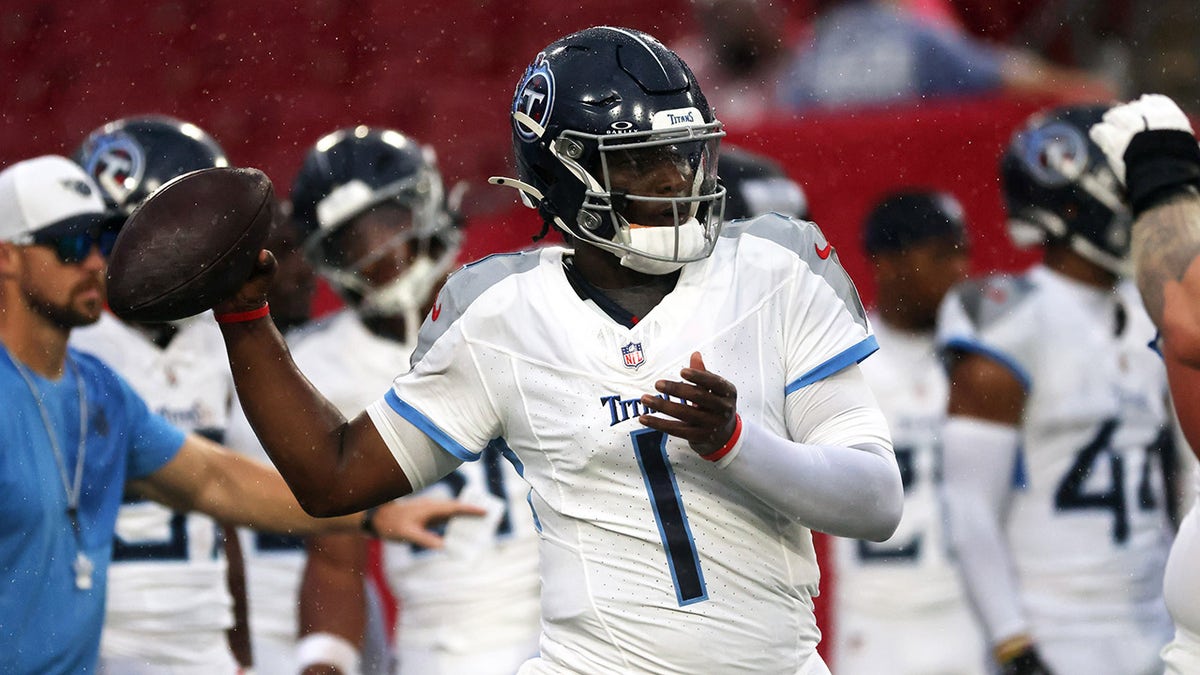
Tennessee Titians quarterback Cam Ward works out before a game against the Tampa Bay Buccaneers at Raymond James Stadium Aug. 9, 2025. (Kim Klement Neitzel/Imagn Images)
The incident occurred after Ward threw a touchdown to wide receiver Calvin Ridley, and as he went to celebrate, he stopped in front of Simmons to tease him with Simmons’ trademark “Zombieland” celebration, something Simmons is known for after making big defensive plays.
Simmons didn’t like it one bit, shoving Ward in the face mask with both hands.
BENGALS ROOKIE KNOCKS DOWN JOE BURROW DURING PRACTICE, SPARKS HEATED CONFRONTATION WITH TEAMMATES
The Titans’ offensive line quickly rushed in to protect their quarterback, including left tackle Dan Moore Jr.
“Absolutely not,” Moore said when asked if anyone is allowed to touch the quarterback, per ESPN. “That goes without saying.”
But this trash-talking between Ward and Simmons is something that has been prevalent since they got on the same field together.
“I get here, and he’s damn near the first one I’m ready to talk s— to,” Ward said. “He’s the first one that comes at my head every day at practice.”
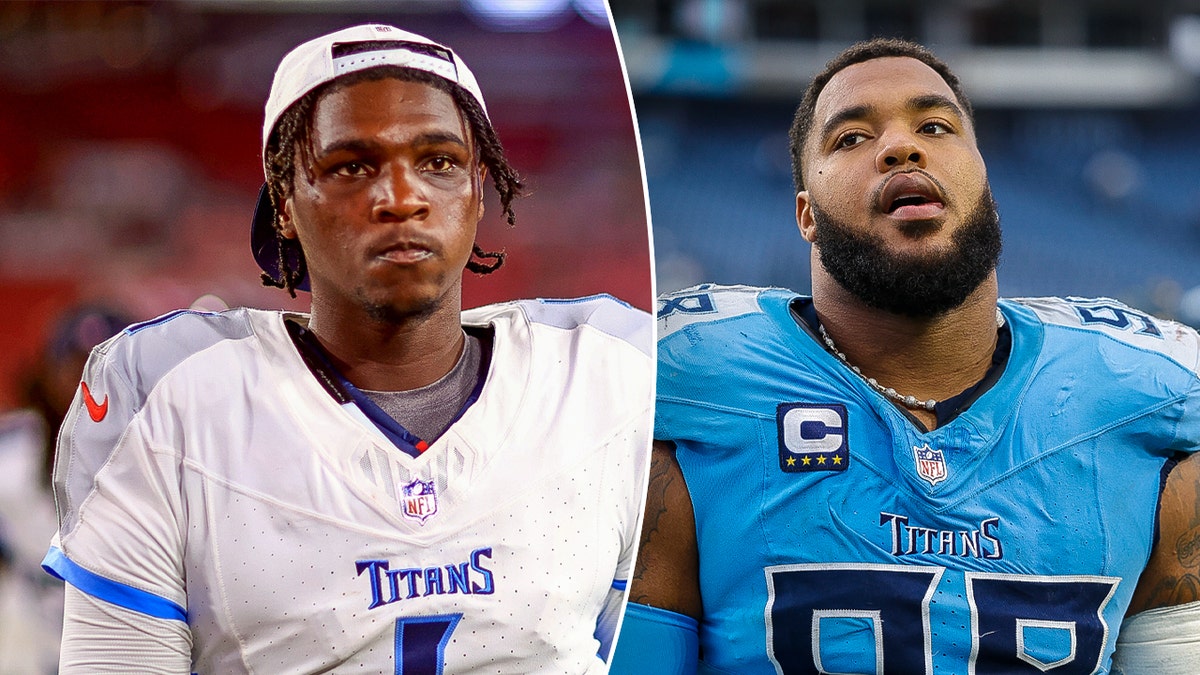
Tennessee Titans QB Cam Ward, left, and DT Jeffery Simmons got into a physical altercation at practice Monday, Aug. 18, 2025. (Getty Images)
Titans head coach Brian Callahan, who made the team run after the practice skirmish, acknowledged that it is wrong to touch the quarterback like Simmons did. However, he doesn’t seem to mind the passion among teammates.
“If the quarterback enters willingly into the fray like that, then that’s on him as well,” Callahan said.
Simmons added, “It’s training camp, and tempers flare. I respect the hell out of our offense for having the quarterback’s back. At the end of the day, we’re family and moved on from it.”
Ward is going to experience much more than Simmons’ trash-talking in his first year in the NFL, and perhaps the three-time Pro Bowl tackle is trying to prepare him for those situations during the regular season.
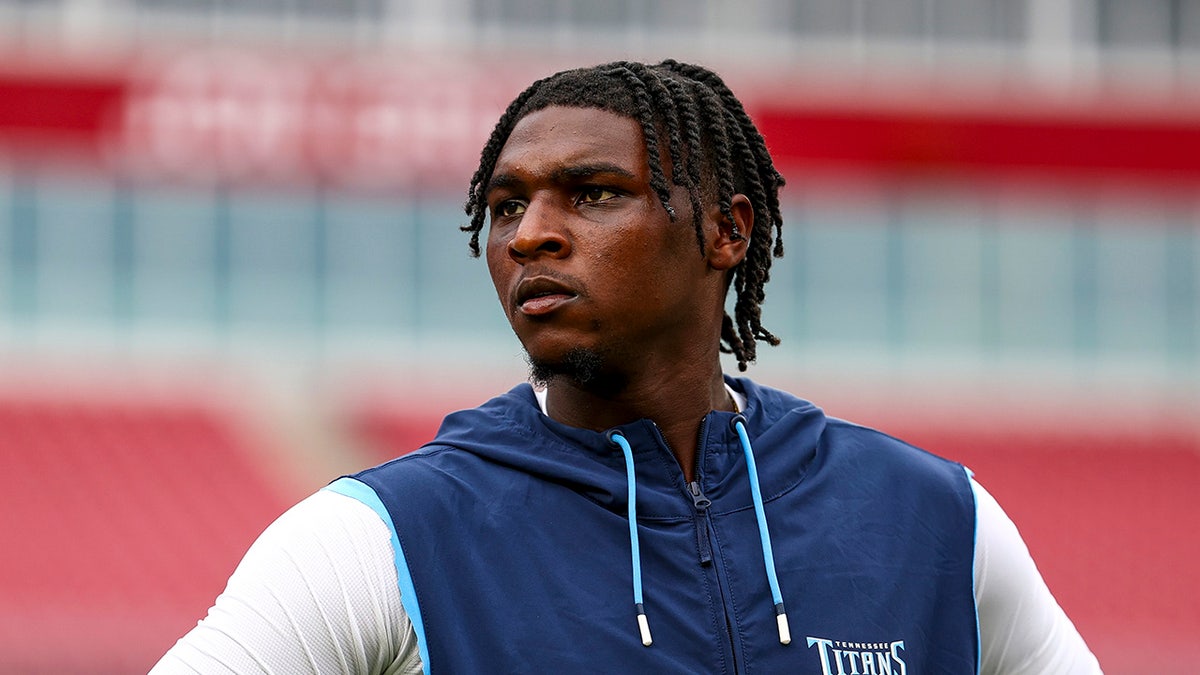
Cam Ward of the Tennessee Titans warms up before a preseason game against the Tampa Bay Buccaneers at Raymond James Stadium Aug. 9, 2025, in Tampa, Florida. (Kevin Sabitus/Getty Images)
CLICK HERE TO GET THE FOX NEWS APP
We’ll see if Ward will be jawing back at the Denver Broncos Sept. 7 as he makes his NFL regular-season debut.
Follow Fox News Digital’s sports coverage on X, and subscribe to the Fox News Sports Huddle newsletter.