Roman generals gifted kittens and piglets to their pet monkeys


The elites of ancient Rome went to great lengths to publicize their status and wealth. According to recent archaeological digs in Egypt, at least some high-ranking military officials even showed up with their choice of pets. In the Journal of Roman ArcheologyResearchers from Poland’s Warsaw University have described a nearly 2,000-year-old wildlife cemetery in the Egyptian port city of Berenice, which includes the remains of several macaque monkeys. Additionally, monkeys themselves may have their own animal companions.
Since its discovery in 2011, archaeologists have been excavating the cemetery near the urban center of Bérénice. Experts have documented nearly 800 animal graves, but many of them are not typical pets like cats and dogs. In at least 36 cases, the bones belong to Indian rhesus macaques (Mulatto Macaca). While archaeologists have already documented some similar examples of ancient Roman pet monkeys elsewhere, they date back genetically to the Barbary macaques of Africa.
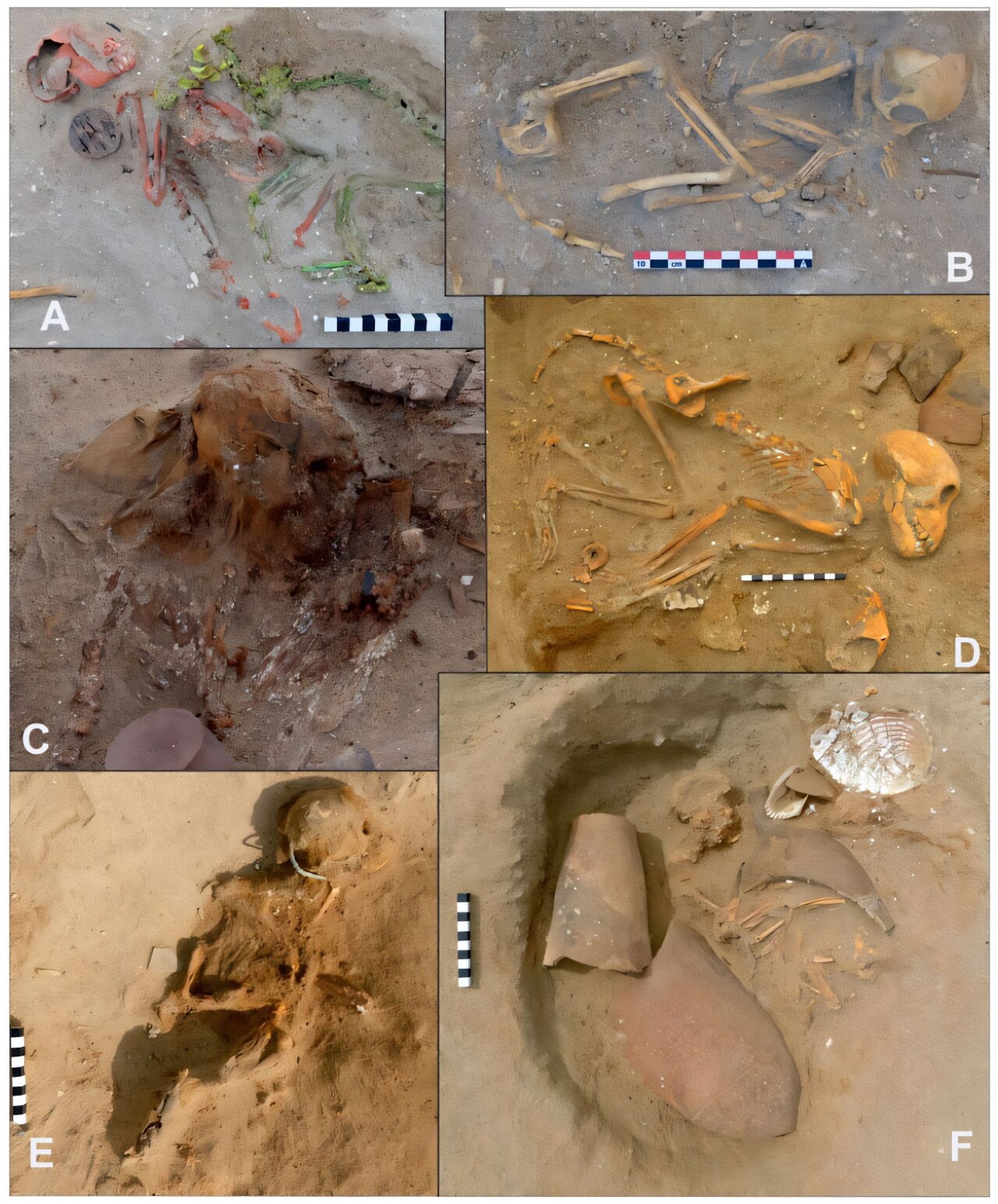
“The burials of monkeys of this species by Berenice are the first unequivocal indication of an organized importation of non-human primates from beyond the ocean,” explained the study authors.
Closer examination revealed that at least some of the pet primates were not necessarily healthier when they died. Two rhesus macaque skulls showed signs of malnutrition, likely due to a diet lacking appropriate amounts of vegetables and fruits. However, this does not mean that the animals were intentionally mistreated. Given the relative remoteness of Berenice at the time (the port is approximately 480 miles southeast of Cairo), it is more likely that the monkeys’ owners simply did not have reliable access to adequate food.
Besides food issues, the Romans tried to care for their pets in other ways. While only about 3 percent of the cemetery’s cat and dog graves contained accessories, 40 percent of the monkeys were buried with items such as snacks, collars and iridescent shells. In some cases, macaques even lay eggs next to kittens and piglets, perhaps the monkeys’ pets given to them by their owners.

PopSci Outdoor Gift Guide 2025


