New dinosaur discovered in Sahara desert was a horned ‘hell heron’


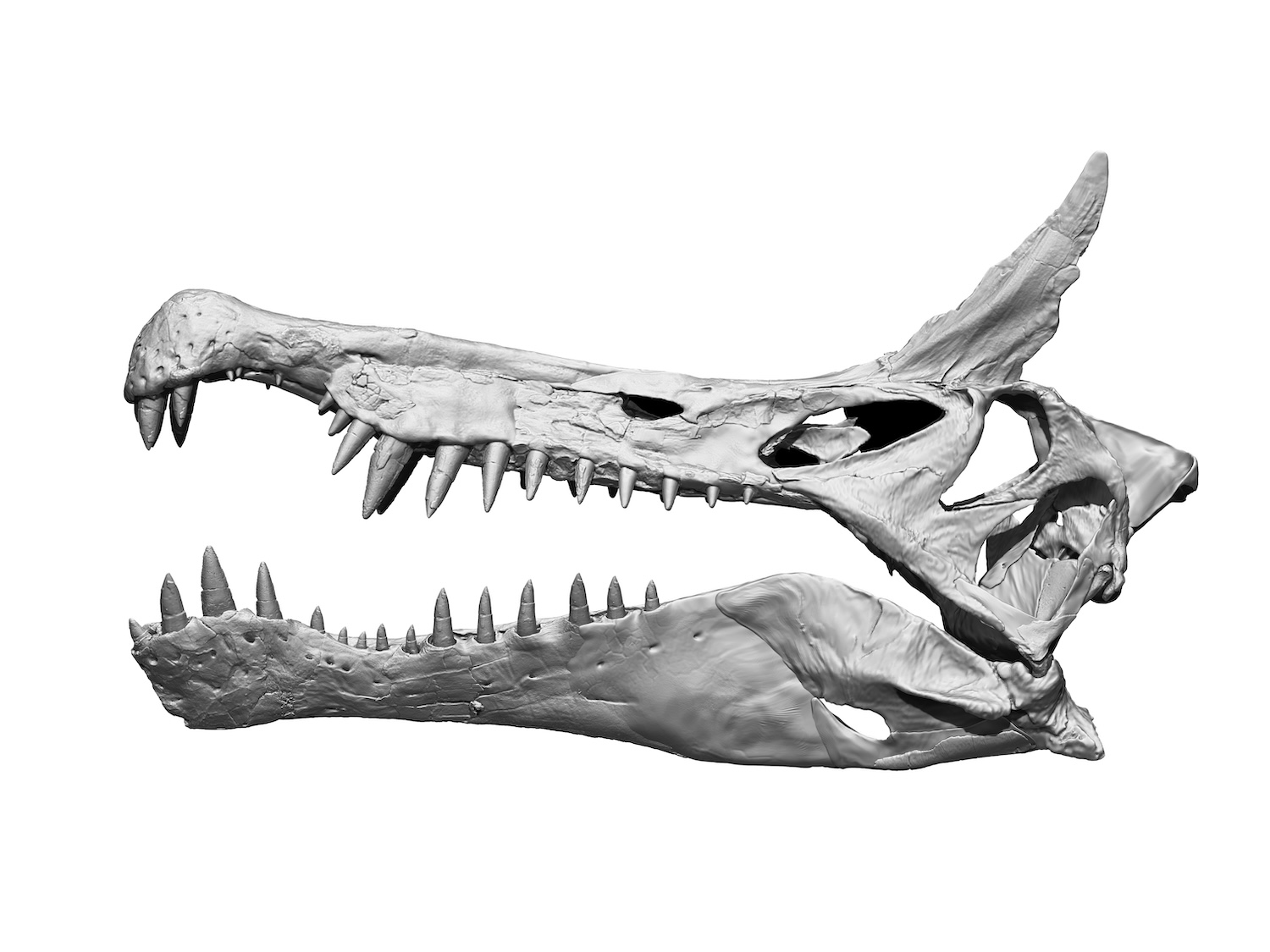
Paleontologists still know relatively little about finned species Spinosaurid dinosaurs. But even if the latest addition to the family is impressive, Spinosaurus mirabilis does not make the task of researchers easier. In a study published today in the journal Scienceresearchers from the University of Chicago describe S. mirabilisa species that inhabited present-day central Africa around 95 million years ago. At first glance, the dinosaur is instantly iconic. Its crest is shaped like a curved sword called a scimitar and is 20 inches long. However, the overall anatomy of the dinosaur and the Cretaceous stomping grounds highlight SpinosauridThis is the unexpected and fascinating culmination of evolution.
“This discovery was so sudden and astonishing that it was really moving for our team,” said Paul Serano, co-author of the study.

New species of Scimitar Spinosaurus from the Sahara
S. mirabilis stands out from its relatives because of where paleontologists discovered their specimen. Serano’s team discovered the first fossil evidence in 2019 during excavations in a remote region of the central Sahara Desert in Niger. Previous Spinosaurid specimens were all found in ancient coastal deposits close to prehistoric shores, but the earliest S. mirabilis the bones were located far inland, between 310 and 610 miles from the nearest marine habitats. Given the nearby presence of long-necked dinosaurs in river sediments, paleontologists now believe that this Spinosaurus lived in a forest region crisscrossed by rivers. According to Serano, it would have been a frightening sight no matter where he lived.
“I think of this dinosaur as a sort of ‘heron from hell’ that had no problem wading on its sturdy legs in two meters of water, but probably spent most of its time stalking shallower traps for the many big fish of the day,” he said.
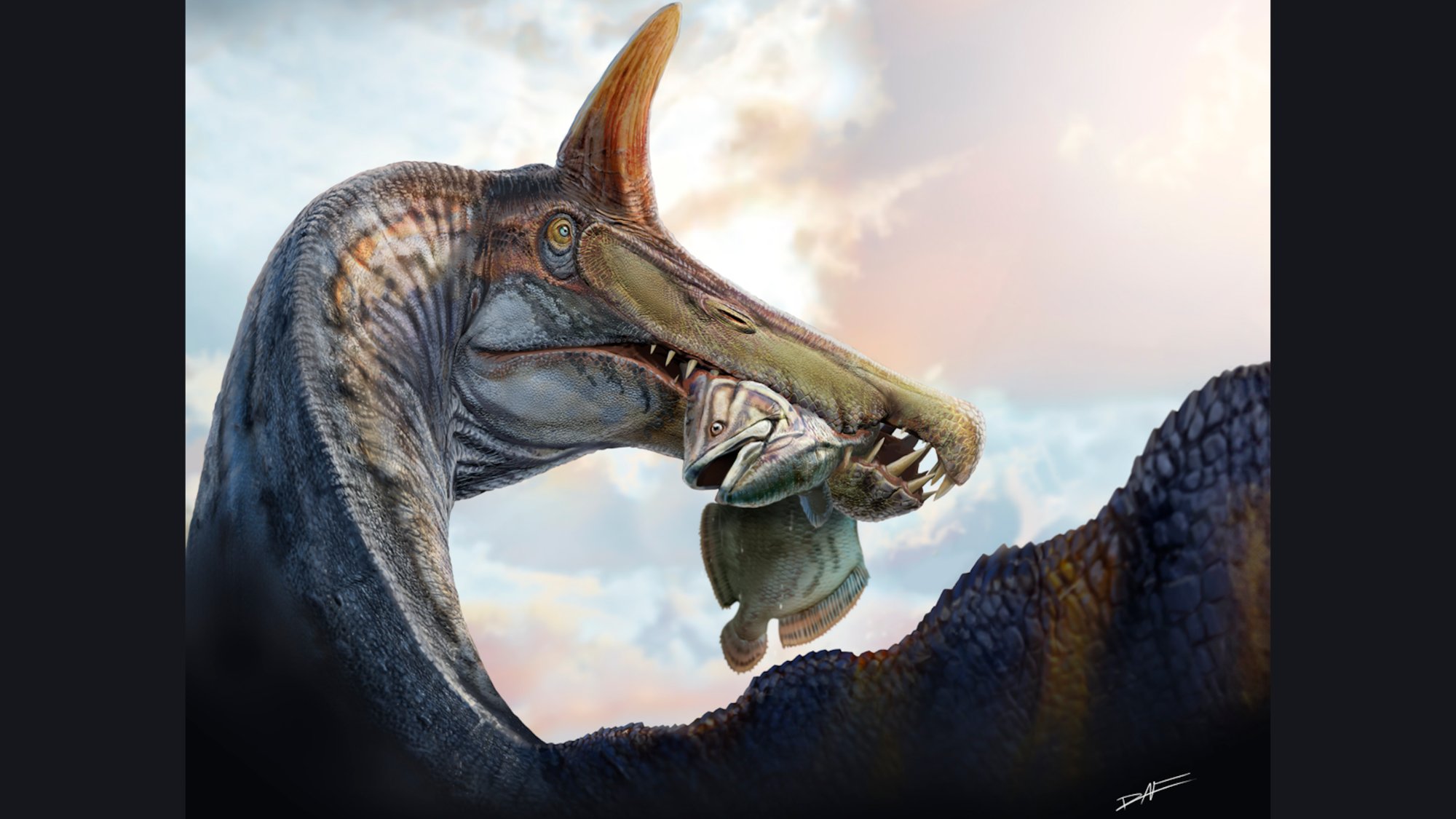
Based on the internal vascular channels and exterior texture of the crest fossil, the team hypothesizes that the cranial accessory was likely lodged in keratin and brightly colored. They also support S. mirabilis finally puts an end to the theory according to which Spinosaurus lived and hunted primarily in marine environments. Besides the place of its discovery, S. mirabilis is the first known dinosaur to have an interdigitated piscivorous mouth (or “fish trap”). This anatomy features a lower jaw with teeth protruding between the upper jaw, a trait previously only seen in flying pterosaurs, marine ichthyosaurs, and semi-aquatic crocodilian predators. This also makes S. mirabilis the only one Spinosaurid with distinct dental arrangement.
However S. mirabilis contextualizes its broader family of dinosaurs, it raises many other questions about its life, habitat, and role in the Cretaceous.
“I will forever cherish the moment at camp when we gathered around a laptop to observe the new species for the first time,” Serano said. “That’s when the importance of the discovery really became apparent.”

The best new PopSci 2025 releases


