Texas cattle rancher welcomes Trump’s renewed focus on profit margins


NEWYou can now listen to Fox News articles!
LA GRANGE, TEXAS — Along the curves of Highway 71, a series of stable Texas towns dot the windswept pastures. This is where most people earn their living with their hands, wear dust on their boots, sun on their skin and easy smiles on their faces.
This is the gentle edge of the Hill Country, where limestone gives way to red dirt and family ranches assemble the land. Here, people haul their own hay, do things right the first time, and don’t wait for daylight to start the day.
Among those familiar with the problem is Cole Bolton, owner of K&C Cattle Company, who welcomes the Trump administration’s renewed focus on the razor-thin margins that ranchers have endured for years.
“The real issue is the price difference between the big four packagers and what they pay us for the product,” Bolton told Fox News Digital.
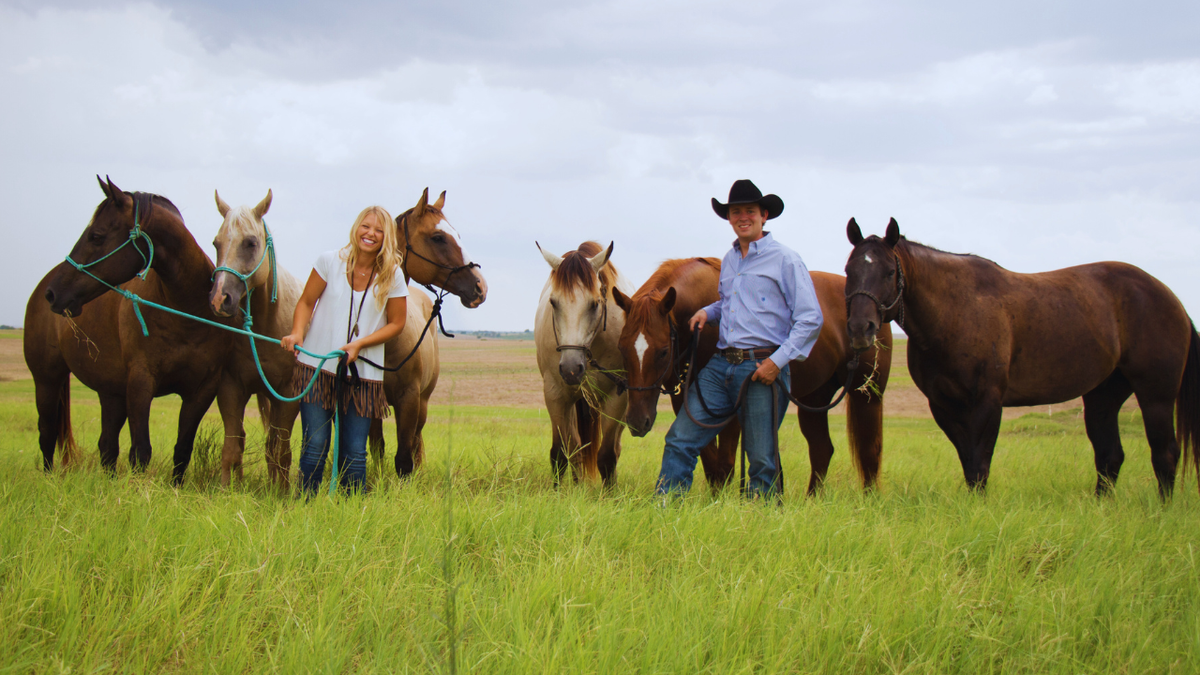
A photo of Cole Bolton and his wife in Texas. (Courtesy of Cole Bolton)
Known as the “Big Four,” Tyson, JBS, Cargill and National Beef are the pillars of the U.S. beef supply chain, wielding pricing power that extends from pasture to fork.
Together, the packaging titans process about 85 percent of grain-fed livestock that becomes steaks, roasts and other supermarket cuts.
AMERICA’S SMALLEST CATTLE HORSE FOR 70 YEARS MEANS RECOVERY WILL TAKE YEARS AND BEEF PRICES COULD REMAIN HIGH
And those margins, Bolton said, have been squeezed for decades. “Breeders have faced razor-thin profit margins over the past 20 years.”
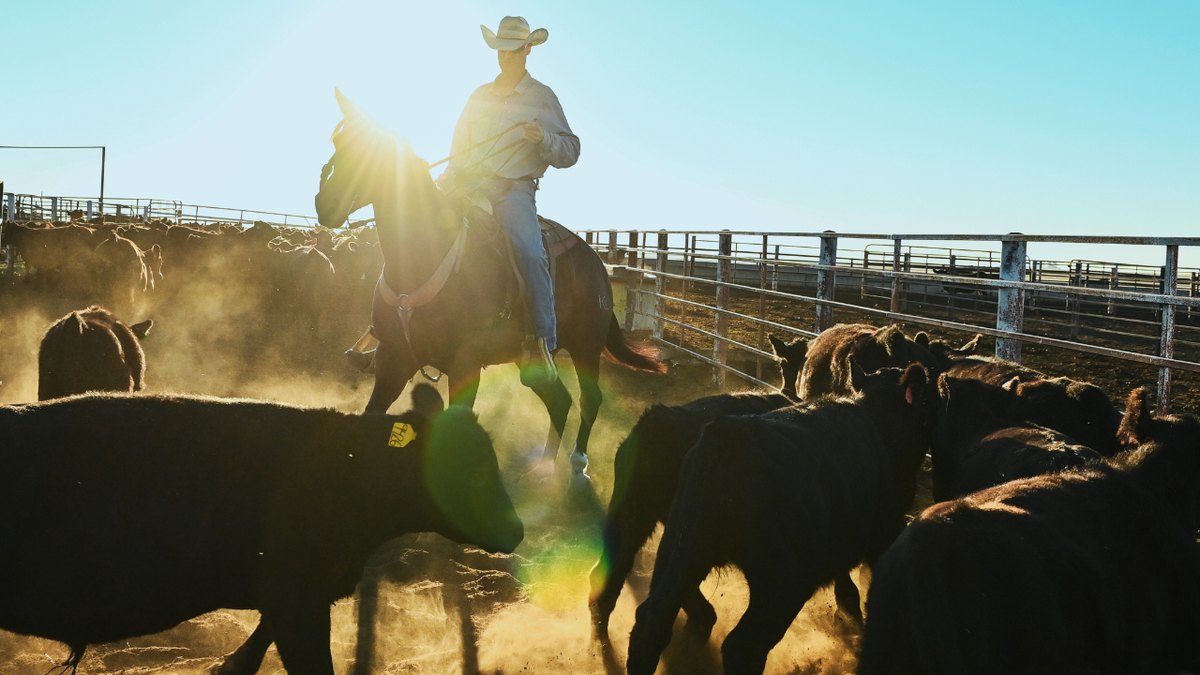
Cattle rancher Brad Randel rounds up some of his Black Angus cattle to sell at auction. (Ricky Carioti/The Washington Post/Getty Images)
It’s the kind of sustained financial strain that federal officials say could signal bigger problems in the supply chain.
The revelation follows the president that of Donald Trump executive order establishing food supply chain security task forces within the Department of Justice and the Federal Trade Commission (FTC) to address risks related to price-fixing and anticompetitive behavior.
TRUMP’S BEEF IMPORT PLAN Ignores a Key Issue Crushing America’s Cattle Ranchers
“My administration will act to determine whether anticompetitive behavior, particularly by foreign-controlled businesses, increases the cost of living for Americans and will address any national security threats to food supply chains,” Trump said in the order issued Saturday.
According to the order, the Attorney General and the Chairman of the FTC may initiate enforcement actions or propose new regulatory actions if the investigation reveals anticompetitive behavior.
The federal investigation announced by President Donald Trump did not specifically name meat companies. (Jim Watson/AFP/Getty Images)
Relatedly, the Trump administration has called on the Justice Department to investigate major meatpacking companies, accusing them of driving up beef prices through “illicit collusion, price fixing, and price manipulation.”
The investigation did not identify any targets.
BEEF PRICES ARE NEAR RECORD HIGHS – BUT AMERICANS ARE NOT CUTTING
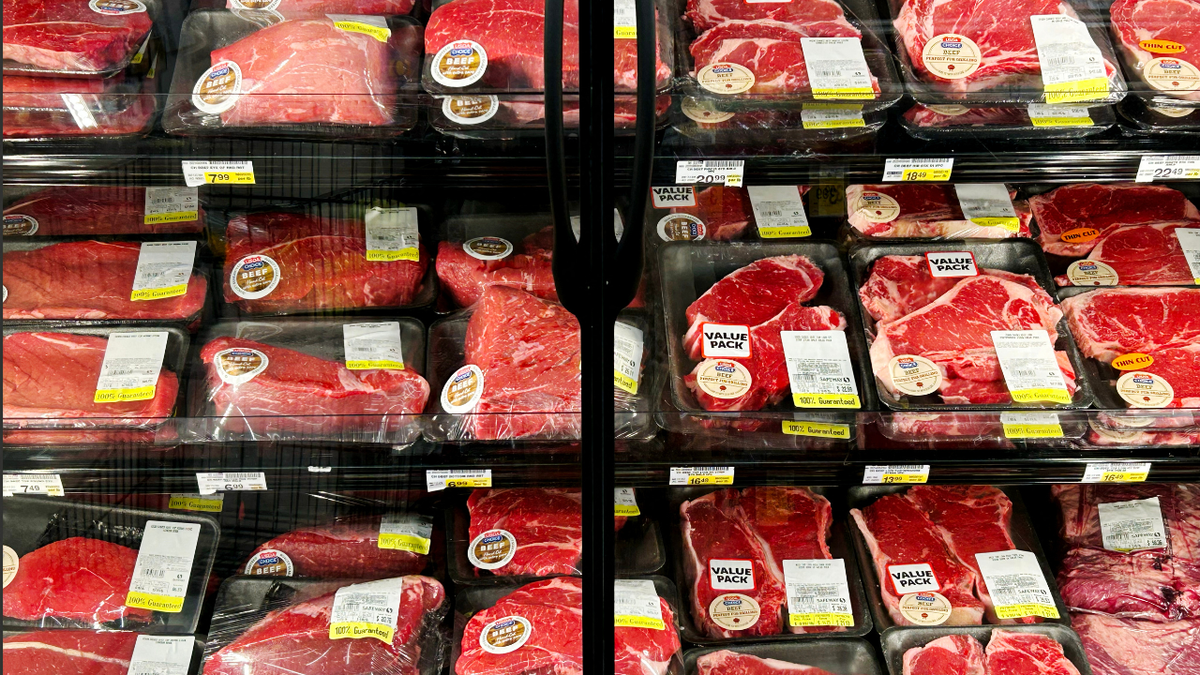
Meanwhile, beef prices have reached record highs.
According to USDA data, the average price of beef in grocery stores increased from about $8.40 per pound in March to $9.18 per pound in August 2025, an increase of about 9% over that period. Despite this increase, the demand for beef continues to reach new heights.
But the strong appetite comes as ranchers grapple with the smallest U.S. cattle herd in 70 years.
Years of severe drought, rising costs and an aging livestock workforce have reduced herds across the country. Ranchers and agricultural economists say rebuilding will take years and beef price are not expected to subside anytime soon.
CLICK HERE TO GET THE FOX NEWS APP
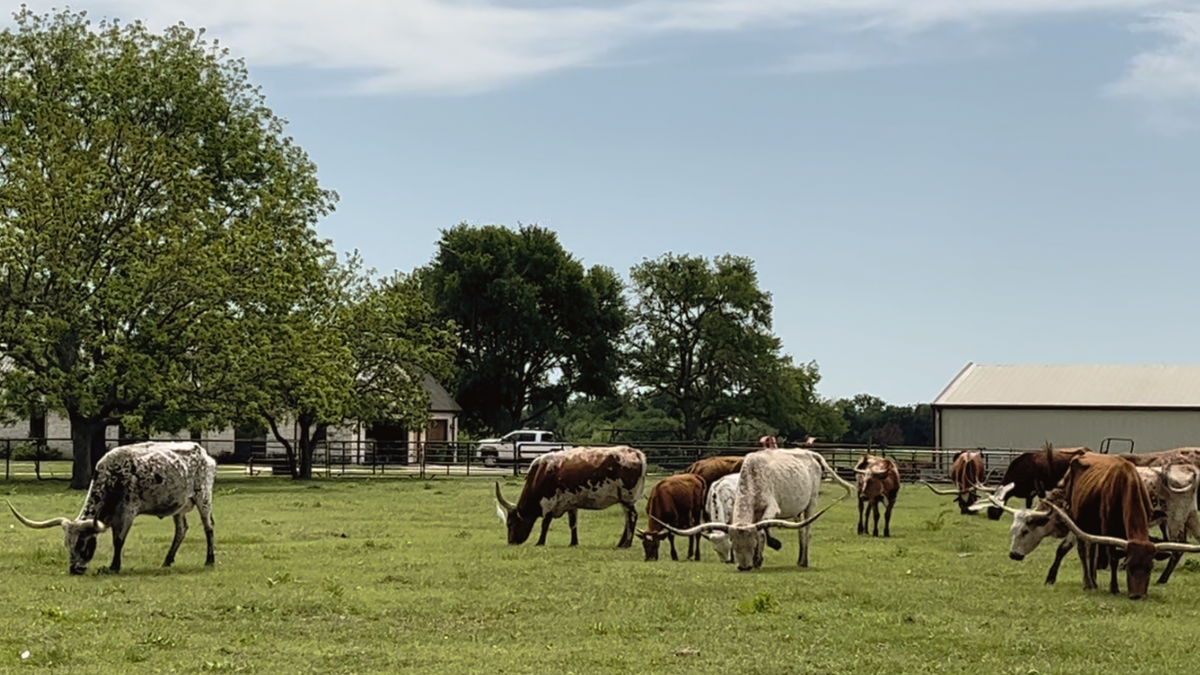
Cattle graze on a ranch in Texas, November 14, 2025. (Amanda Macias/Fox News Digital)
“I think it’s going to take time to resolve this crisis that we’re going through with the livestock shortage. My message to consumers is simple: folks, be patient. We need to rebuild our herds,” Bolton told Fox News Digital.
He noted that the beef industry has overcome setback after setback, from market turbulence to extreme conditions, over the past five years.


