Ex-Google engineer convicted of stealing AI trade secrets for China

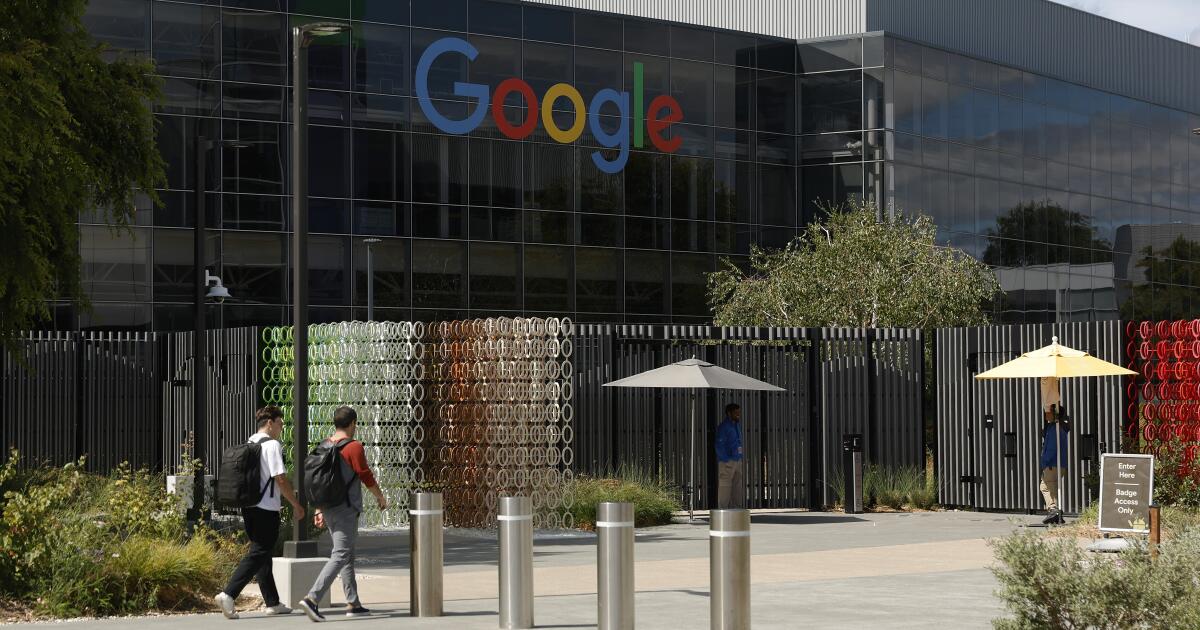
A former software engineer at Google has been found guilty of stealing artificial intelligence trade secrets for the benefit of China, the US Department of Justice announced.
A federal jury on Thursday convicted Linwei Ding, 38, of seven counts of economic espionage and seven counts of theft of trade secrets after an 11-day trial in the U.S. District Court for the Northern District of California.
The verdict marks the Justice Department’s first conviction on AI-related economic espionage charges, according to a statement from Roman Rozhavsky, deputy director of the FBI’s Counterintelligence and Counterintelligence Division.
Ding’s lawyer did not respond to an email seeking comment Friday.
Ding stole more than 2,000 pages of confidential information containing Google’s AI trade secrets from the company’s network and uploaded them to his personal Google cloud account between May 2022 and April 2023, according to evidence presented at trial.
At the same time, he worked covertly with two Beijing-based technology companies, arranging discussions with one startup to become its chief technology officer and then acting as founder and chief executive of a second startup, prosecutors said. He told potential investors he could build an AI supercomputer by copying Google’s technology, according to court documents.
Ding downloaded the trade secrets onto his home computer less than two weeks before resigning from Google in December 2023, prosecutors said. He also applied for what prosecutors described as a Chinese government-sponsored “talent plan” intended to incentivize people to contribute to the country’s economic and technological growth.
His request said he planned to “help China achieve internationally comparable computing power infrastructure capabilities,” prosecutors said.
“This conviction reinforces the FBI’s unwavering commitment to protecting American innovation and national security,” FBI Special Agent in Charge Sanjay Virmani said in a statement.
“The theft and misuse of advanced artificial intelligence technologies” for the benefit of China, Virmani added, “threatens our technological advance and economic competitiveness.”
Ding faces a maximum sentence of 10 years in prison for each count of theft of trade secrets and 15 years in prison for each count of economic espionage. He is next scheduled to appear in court Tuesday for a status conference.
“We are grateful to the jury for ensuring that justice was served today, sending a clear message that theft of trade secrets has serious consequences.” Lee-Anne Mulholland, Google’s vice president of regulatory affairs, said in a statement.


