Are some dog breeds really easier to train? Not really.


Choosing a dog is much more than a question of aesthetics. Owners may appreciate their shiba inu’s thick coat and narrow muzzle, but will most appreciate its stoic nature and loyalty. A Chihuahua owner may appreciate its pint-sized scooping ability, but most of all appreciates its playfulness. After all, every breed page on the American Kennel Club website lists a breed’s personality and social traits as well as its physical characteristics.
A key factor for many dog owners is how easily their dog is trained. A skittish Bichon Frize may be a mild nuisance in social settings, but the strength and size of a misbehaving Rottweiler can pose serious risks.
The AKC also offers a five-point trainability scale for each breed. They cite the border collie, the German shepherd and even the little butterfly among the easiest breeds to train.
But recent genetic research on man’s best friend has shown that, at best, these scales simplify the complex inner world of dogs and, at worst, are misleading about how dog breeds affect their behavior.
Creation of a canine genetic database
Elinor Karlsson first became interested in canine genetics while she was still a research intern. She worked on sequencing the first complete dog genome, that of a female boxer called Tasha. Karlsson is currently a genomicist at the University of Massachusetts Chan Medical School and the Broad Institute of MIT and Harvard. In recent years, she has continued her work on canine genetics through a project called Darwin’s Ark.
Darwin’s Ark allows owners to register their dogs in a database that records the dogs’ behavioral traits as well as their breed type. “At present we have around 48,500 registered dogs,” says Karlsson. Popular science. Several thousand of these dogs have also had their genomes sequenced, creating one of the largest canine genetic databases in the world.
This wealth of information helped Karlsson’s team understand how race and behavior are associated. They delved deeper into this relationship in a 2022 study. One of the traits measured was “submissiveness” – essentially, how easily a dog does something. This includes behaviors observed during training but, more generally, reflects a dog’s responsiveness to humans.
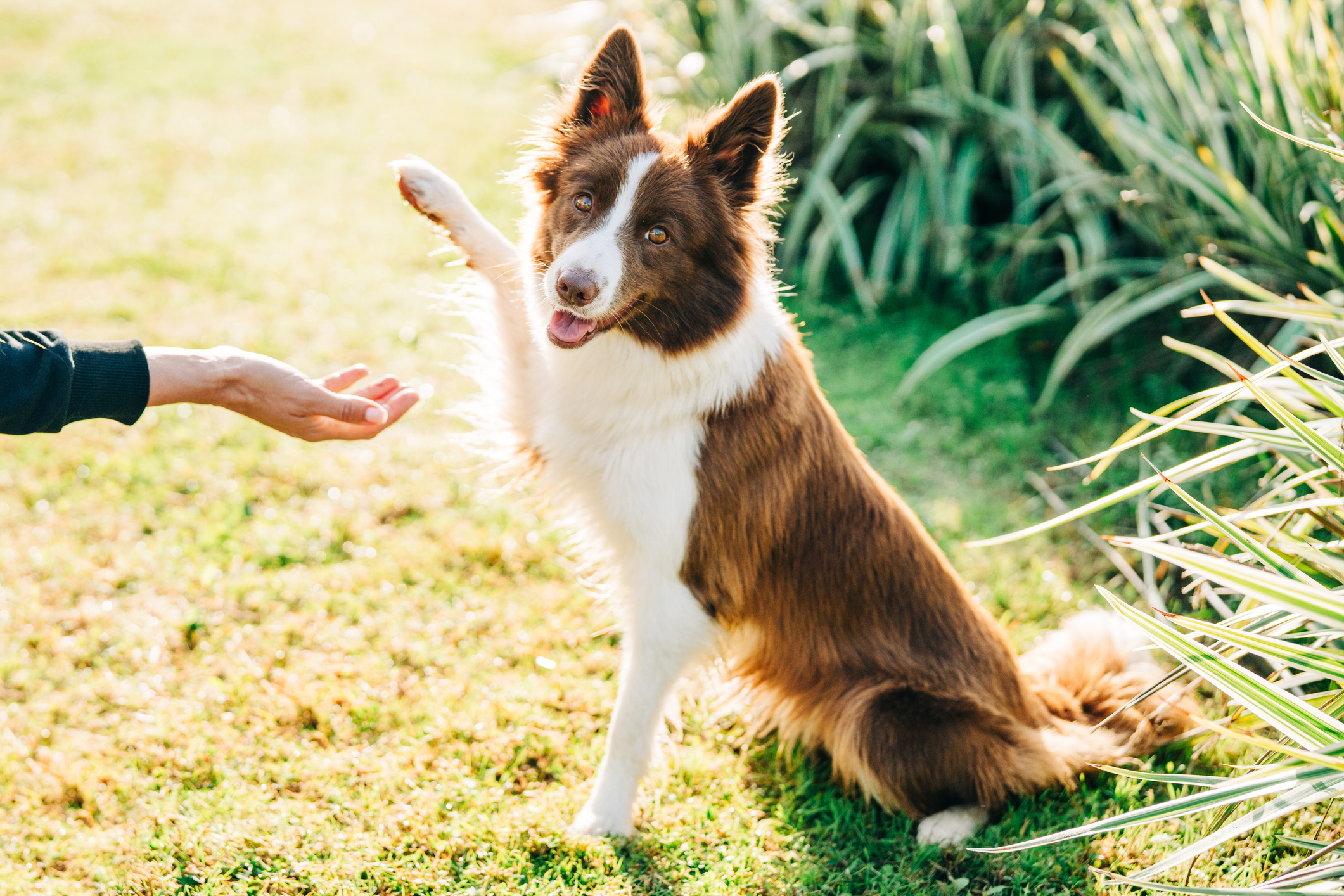
Karlsson soon realized that there was a flaw in the purebred data from Darwin’s Ark. Owners might be more likely to recognize the playfulness of a Cocker Spaniel than an Argentine Dogo, as that is the very trait that made them choose this breed in the first place. There is confirmation bias at play.
Fortunately, almost half of the dogs in the study were dogs, with complex ancestry and fewer breed biases. The offering of dogs sometimes contradicted breed stereotypes.
For example, Labrador retriever owners tended to describe their dogs as friendlier toward humans, which fits the breed stereotype. However, having more or less Labrador ancestry did not affect how friendly the dogs were with humans. Based on breed information alone, only nine percent of dogs’ behavior patterns could be predicted. In other words, not much.
Identifying the Most Trainable Dog Breeds
What do these results mean for dog training efforts? Submissiveness was one of the few behavioral traits with a stronger association in certain breeds. Owners were more likely to rate Belgian Malinois, Vizslas, and Border Collies highly for bidding, and dogs with more ancestry from these breeds were also slightly more likely to be biddable.
But this information isn’t really helpful in determining whether an individual dog will be easy to train. Border collies might be slightly more approachable on average, but there will always be more independent collies. At the other end of the scale, there will be chow chows who will not hesitate to follow directions.
Karlsson points out that this discovery shouldn’t really be surprising if you think about the history of dogs. Purebred dogs are a modern invention dreamed up by Victorians obsessed with the genetic order.
Over the past 150 years, breed standards have been carefully selected based on physical characteristics (for example, a Beagle should be approximately 14 inches tall at the withers), but behavioral traits have not been genetically selected in the same way.
Related Stories “Ask Us Anything”
Nevertheless, selective breeding has created a population of easily trainable dogs. Karlsson says Labradors selected as guide dogs are genetically distinct from the broader Labrador population.
This makes sense, as the average Lab would have a hard time resisting the temptation to eat their owner’s dinner rather than help them navigate.
But this selective breeding comes at a cost. Analysis of guide dog populations shows that when complex behavioral traits are aggressively selected for, the risk of genetic disease in the dog population increases, says Karlsson.
Ultimately, some dogs are easier to train than others. It’s just that looking only at breed information to find a dog for sale is unlikely to get you very far.
The next time you’re choosing a new best friend at the shelter, paying attention to the dog in front of you rather than the breed standards in a manual will help you make the best decision.
In Ask us anythingPopular Science answers your wildest and most burning questions, from everyday things you’ve always wondered to bizarre things you never thought to ask. Do you have something you always wanted to know? Ask us.

The best new PopSci 2025 releases


