Noise cameras are spreading to US cities and fining drivers automatically


NEWYou can now listen to Fox News articles!
You already know about radars. Red light cameras. Paid cameras that photograph your plate and charge you later.
Now meet their cousin. Noise-cancelling cameras are the latest automated enforcement technology spreading across American cities. A pole-mounted device contains sensitive microphones paired with a license plate camera.
IF SOMEONE ENTERS YOUR EMAIL THEY OWN EVERY ACCOUNT YOU HAVE. THESE 3 MOVEMENTS LOCK THEM FOR GOOD
Your car drives past. If your exhaust exceeds the legal decibel limit, a ticket arrives in your mailbox a few days later. No warning. No officer stops you. No flashing lights in your rearview mirror. Just a microphone that never blinks, never takes a break, and never misses a shift.
The silence of the Lambos
New York City has been running them since 2021. The cameras have found more than 1,600 violations and collected nearly $2 million in fines. Get caught once and you risk $800. Get caught repeatedly and the fine climbs to $2,500.
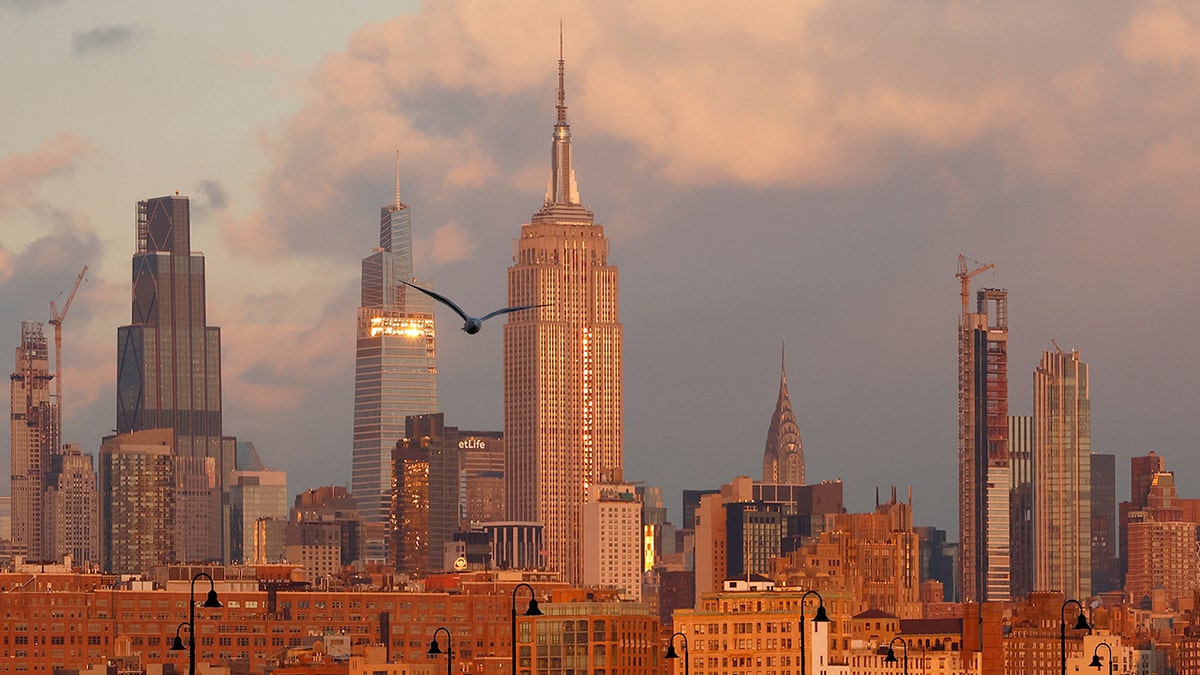
New York City has implemented noise-cancelling cameras and has been using this technology since 2021. (Gary Hershorn/Getty Images)
Newport, Rhode Island, installed two cameras on scenic Ocean Avenue. Within days, a Mustang GT was nailed at 85 decibels. Two decibels above the limit. $250 fine. Providence approved $180,000 to add cameras in 2026. Connecticut has passed statewide legislation.
California has six cities running a five-year pilot program with fines of up to $1,105. Chicago, Miami, Philadelphia, Sacramento and Washington, DC, are all rolling out or testing. Colorado, New Jersey and Hawaii have adopted similar legislation. This is no longer a local story. This is a rapidly evolving national problem, and most drivers have absolutely no idea it’s coming their way.
5 SIMPLE TECHNICAL TIPS TO TAKE BACK CONTROL OF YOUR SOCIAL MEDIA
Here’s how the technology actually works.
The microphone detects sounds above the legal threshold, generally between 75 and 95 decibels depending on the city. To put it plainly, a normal conversation generates around 60 decibels. A lawn mower hits around 90. Most cities draw the line somewhere in between. The camera crosses the sound peak with the exact moment a vehicle passes, photographs the plate and automatically generates the ticket. No officers involved. No human review in most cases. Just math, a microphone and a camera pointed at your plate.
Too loud and angry
When I’m in my Porsche and I go into manual mode, shifting through the gears with that beautiful exhaust note singing, I don’t do the math out loud. Let’s just say that I look very carefully at the camera location maps. You probably should too.
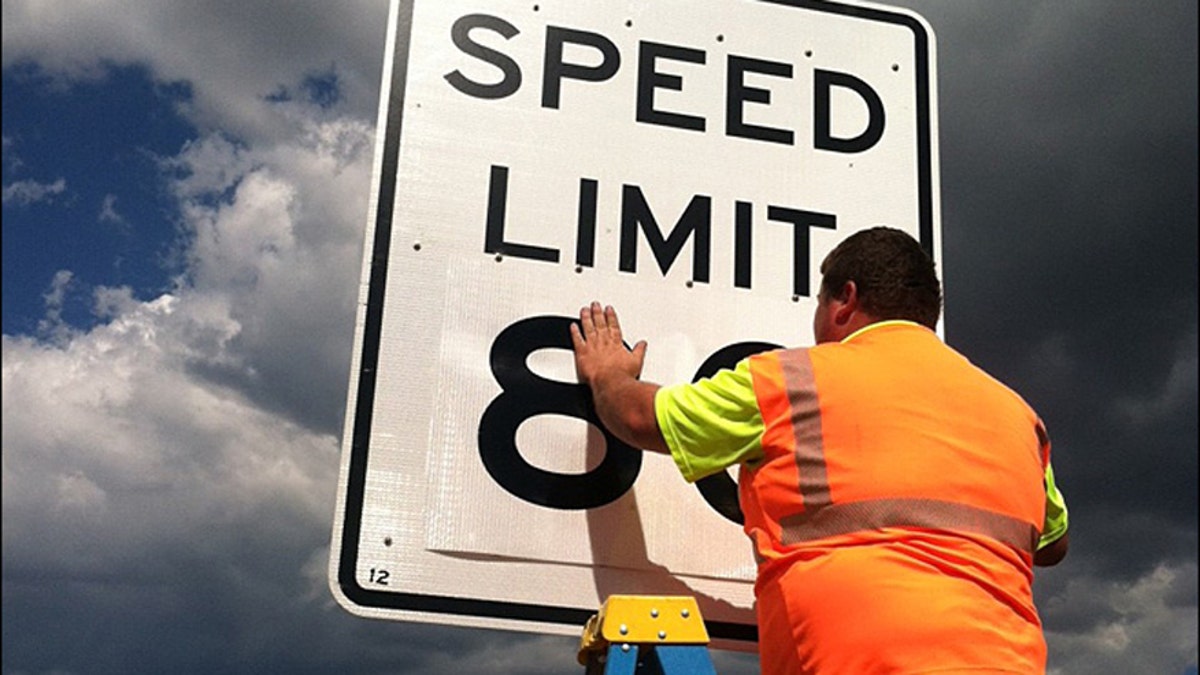
If your car reaches a certain decibal above the “legal threshold”, the camera’s microphone can detect the sound and cross-reference it with when a vehicle passes. (Utah Department of Transportation)
Here’s what should concern drivers with completely stock vehicles. This Mustang GT was not a tuned track car. It’s a car you buy from a dealership. Two decibels above the limit. $250 gone. Motorcycles are even more exposed. A stock Harley-Davidson idles around 75 decibels and can reach 90 when accelerating. Well inside the danger zone, in several cities, cameras are already installed. You do not need a modified exhaust to get a ticket. It just takes bad timing.
AI is used to identify which specific vehicle in a group triggered the alert. Not just the loudest car in the frame. Your car. Technology is getting smarter every month.
DRONE FOOD DELIVERY LAUNCHED IN NEW JERSEY
Roar and peace
There are two valid sides here.
If someone with a straight exhaust flies past your room at midnight, you’re probably glad they got caught. Noise pollution is a real health problem linked to sleep disorders, high blood pressure and anxiety. Cities have tried everything, but nothing has worked on a large scale so far.

An undated file photo of rush hour traffic in Manhattan, New York, New York. (iStock)
But it’s also another level of constant monitoring that never forgets and never gives you the benefit of the doubt. Critics have raised legitimate questions about whether cameras are disproportionately placed in low-income neighborhoods, turning a public health tool into a revenue machine aimed at bad ZIP codes. Fair questions that deserve to be asked out loud.
CLICK HERE TO DOWNLOAD THE FOX NEWS APP
These cameras are spreading faster than most drivers realize. Search the name of your city along with “noise camera ordinance” to find the exact decibel limits where you live. Know the number before the camera.
Send it to someone who is a car enthusiast, motorcyclist, or anyone with a noisy vehicle. Pass it on before they find out the hard way. Consider this your good deed for the week.
Copyright 2026, WestStar Multimedia Entertainment. All rights reserved.


