Norman Podhoretz Was the Ultimate Neocon


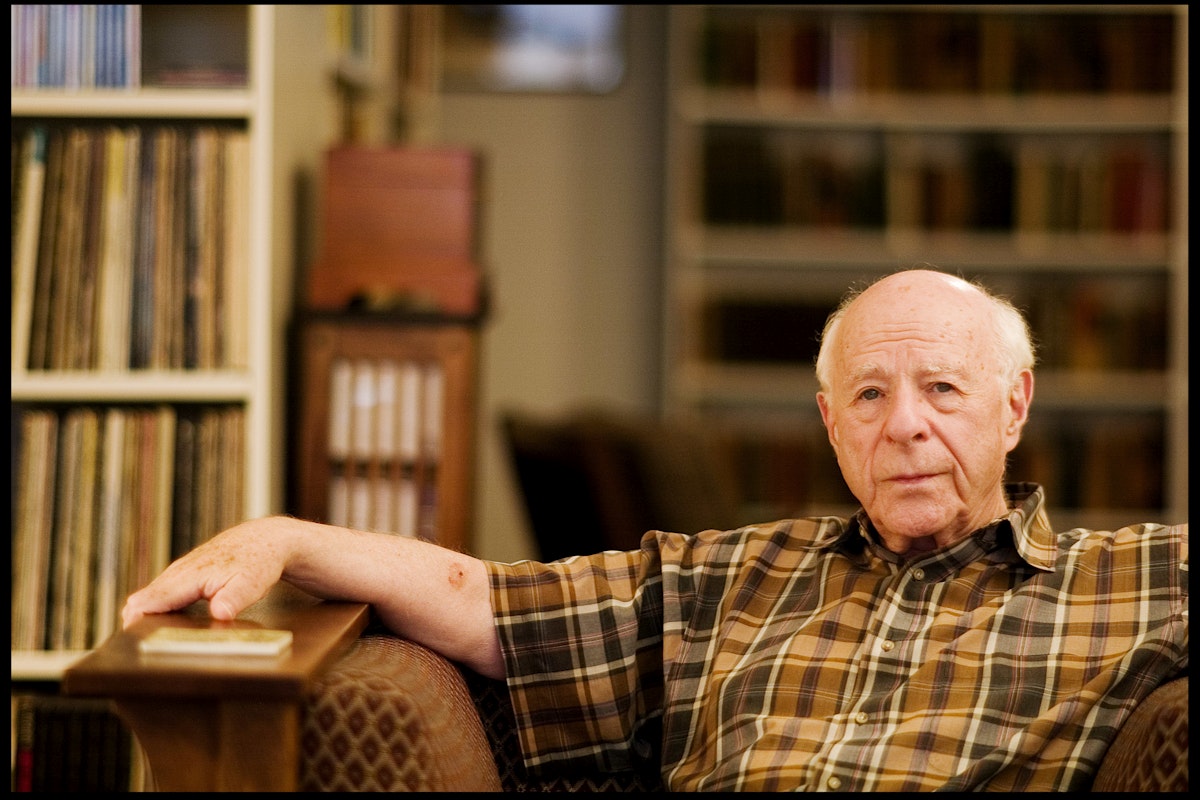
Podhoretz eventually settled into neoconservatism, an intellectual movement that began as a liberal critique of the New Left counterculture, hardened into antiliberalism, then degenerated into indiscriminate military interventionism. You don’t hear much about neoconservatism these days because the war in Iraq discredited it, starting around 2005. (Even as Donald Trump’s latest folly, a potential war for regime change in Venezuela, threatens a renaissance.) Podhoretz was perhaps the last surviving active practitioner of neoconservatism, and certainly the last survivor of an earlier milieu of Upper West Side liberal intellectuals known as “the family,” from which Podhoretz emerged loudly with the 1967 publication of his memoir, Do it.
Do it is a better book than the one we remember, primarily for the way it captures Podhoretz’s youthful resistance to assimilation in the world. goyish ruling class. His tutor in this matter was a high school English teacher he calls Mrs. K., who mentored him between the ages of 13 and 16. “My grades were very high and would obviously remain so,” Podhoretz writes, “but what good would they do me if I continued to look and sound like a ‘dirty little slum kid’ (the epithet she invariably threw at me whenever we had an argument about ‘manners’)? Podhoretz brought this identity resistance to Colombia, which sought to make him “a facsimile of WASP”, and what he writes on this subject is fascinating. But Podhoretz has also come to view academic success as a kind of cynical game, and what he writes about it is nothing short of depressing.
Podhoretz’s cynicism appears most fully when he recounts how, during graduate school, he transferred his intellectual loyalty from his mentor Lionel Trilling at Columbia (whose master’s style Podhoretz was “able to effortlessly imitate”) to FR Leavis, who taught Podhoretz on a fellowship in England:


