Octopus arms are the animal kingdom’s most flexible


With three hearts, blue blood and eight arms that seem to have their own mind, the octopus is among the most fascinating creatures in the ocean. Their signature members and their complex nervous system help them explore, communicate, capture prey and mate in many marine habitats. Now scientists unlock some of the secrets anchored in these arms, whether they have a certain degree of “discount”.
A new study of octopuses in the wild has revealed that the eight arms can take several actions, but their front arms are mainly used for movement and exploration, while the rear arms are used to support the movement. The results are published today in the journal Scientific relationships.
“The octopuses are ultimate multitasking – all weapons are capable of all the behaviors of the arms and all the deformations of the arms,” says Chelsea Bennice, co -author of the study and marine biologist at Florida Atlantic University, says Popular science. “They can even use several arms actions on one arm and on several arms at the same time.”

A compilation of sequences of wild octopuses from the study, displaying a wide variety of behaviors and actions described in the article. Credit: Chelsea Bennice and Roger Hanlon.
Fold, shorten, lengthen, twist
When the octopuses move through the seabed, they can use several arms to camouflage themselves from the predators. These strong arms are also used to build dens, throwing shells, in competition for partners, etc. According to Bennice, all this flexibility helps cephalopods to prosper in a wide range of habitats, from the banks of sand to rocky reefs.
What is less clear is that if particular arms are preferred for one task to another, the way humans generally have a dominant hand. Currently, the preference of the members is well known only in primates, rodents and fish.
“No other animal is capable of such flexibility and extreme control of the arm,” explains Bennice. “The octopuses are unique in that they have eight flexible appendages which can bend, shorten, lie down and twist (deformations of the arm) in all directions because of the extensive nervous system of the octopus in each arm and the complex arrangement of their musculature of the arm (and lack of bone).”
[ Related: This magnetic robot arm was inspired by octopus tentacles. ]
To dive into the world of octopus, the team has quantified nearly 4,000 arms movements different from 25 video recordings. The recordings included three species of wild octopuses observed in six different habitats in the Caribbean and Spain. According to the images, they categorized the way the octopus deployed four main arm deformations – bend, shorten, elongated and twists.
The recordings have shown that the octopuses used all their arms to fold, shorten, lie down and twist. However, the regions of each arm had different roles. The tips of the arms were mainly used for turns, while the extensions were more frequent closer to the body. So, instead of preferring an arm or one side as most humans do, octopus can use all their arms for all functions, but have a slight preference for those at the front.
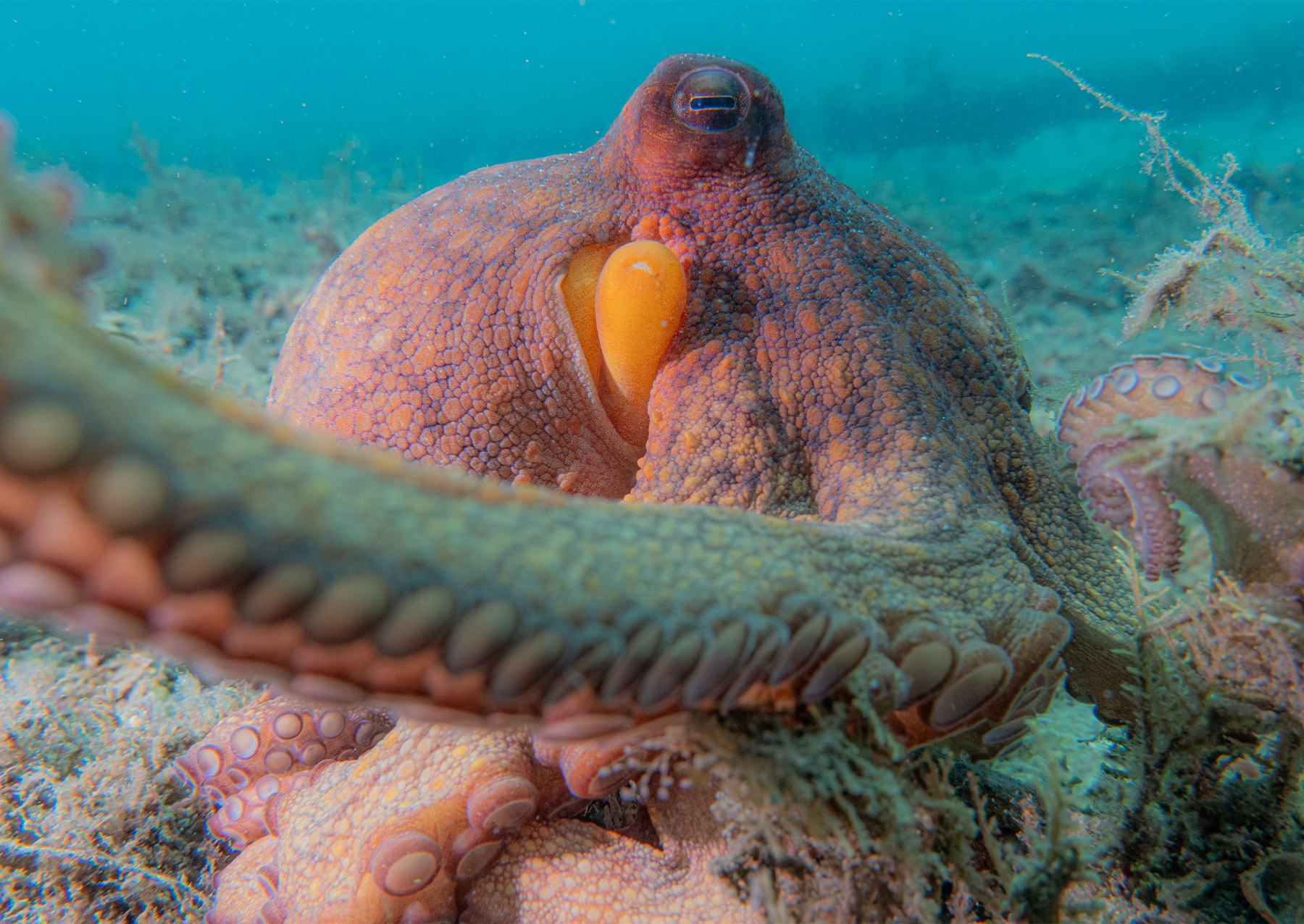
“Above all, all arms are capable of all functions (arm behavior), but the front arms are simply used more often than the rear arms (60% vs 40%)”, says the co-author of the study and biological biologist of the Navy Kendra Buresch Popular science. “This is surprising because previous studies have shown particular arm preferences, for example a difference in the use of the left and right arms – but these studies were mainly carried out in the laboratory.”
This flexibility has shown how much they can control their motor skills and the adaptability of these cephalopods.
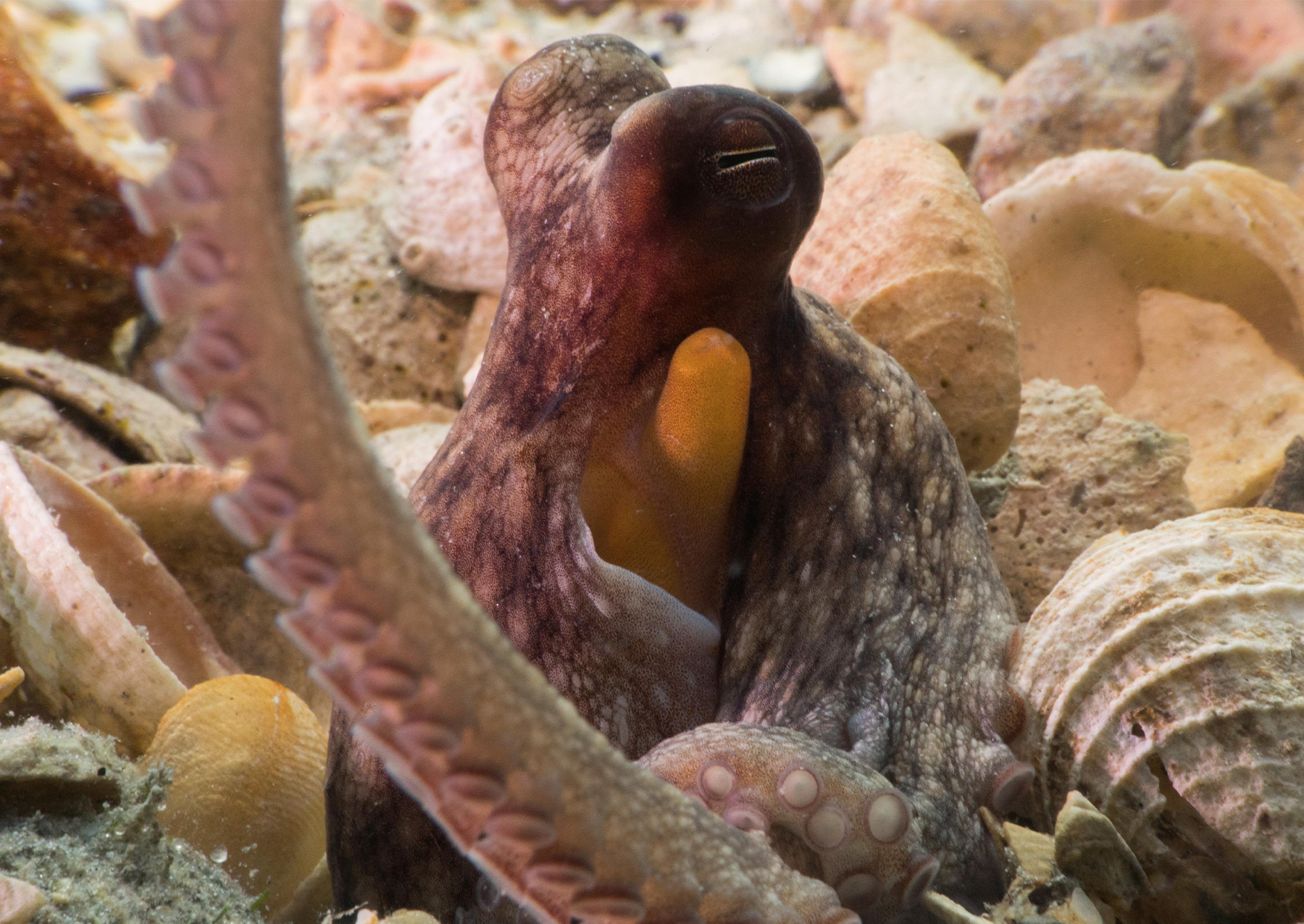
“Adaptability is the key characteristic,” adds the co-author of the Roger Hanlon study, a marine ethologist and biologist also at the Marine Biological Laboratory. “Because these are such tactile creatures, they have evolved discharges and arms that not only give them many forms of locomotion, but also sensory capacities that allow them to find hidden foods when they feed in an ecological habitat.”
Future octorate
In future studies, the team hopes to compare these results with other species of octopuses and their arms.
“Other species of octopuses have different proportions of size and length of the arm, and it would be informative to compare their arms behavior with regard to the behavior of all animals,” explains Bennice. »Examples include octopuses with very long long weapons, such as mimic octopuses Macrotritopus defilippi in the Caribbean and Thaumoctopus imicus in Indo-Pacific. »»
Understanding the mechanics behind these exceptional arms can also be applied to neuroscience and can lead to more robots inspired by these adaptable creatures.

More offers, reviews and purchasing guides


