Ode to the Jellyfish



Explore
TToday we celebrate jellyfish, creatures that have been around for over 500 million years and are older than the dinosaurs. There are more than 200 recorded species of true jellyfish, and they are found in the depths of all of Earth’s oceans. Species vary greatly in size, from one centimeter to over 6 feet long. These enchanting blobs are about 95 percent water and could thrive as climate change intensifies: These hardy animals can withstand high water temperatures and low oxygen levels, for example, and their competition for resources could continue to decline. But jellyfish can also benefit their environment, transporting carbon to the ocean depths and transporting nutrients.
In honor of World Jellyfish Day, feast your eyes on some dazzling jellyfish species:
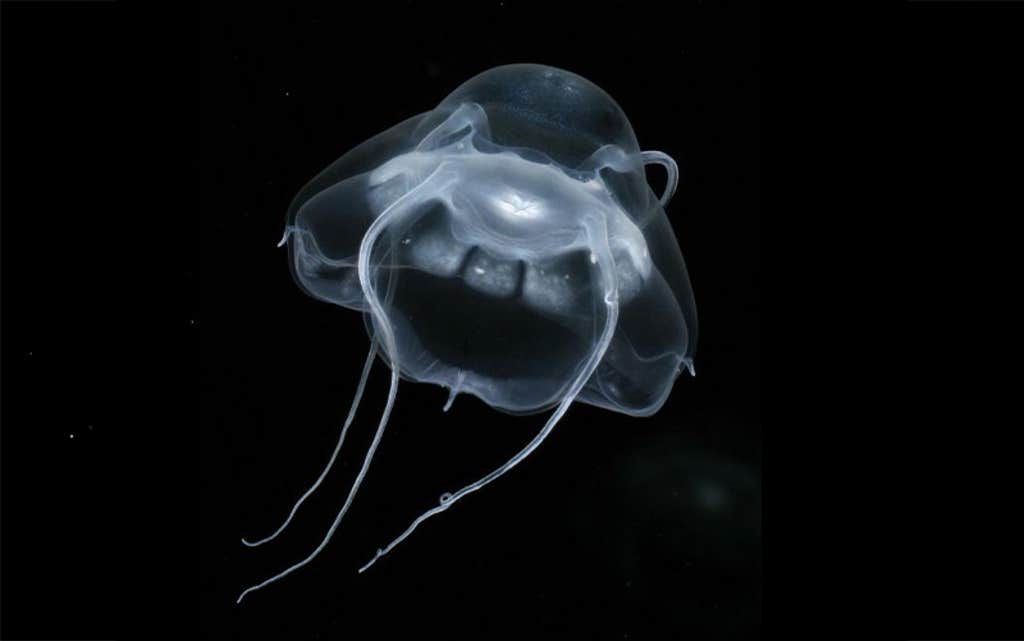
Bathykorus brothia relatively recently identified species, first described in 2010, was found between 4,600 and 6,500 feet deep in the Arctic Ocean. B. boiled is quite fragile, so it may be that this creature was crushed by nets and went unnoticed during previous investigations.
ADVERTISEMENT
Nautilus members enjoy an ad-free experience. Log in or register now.
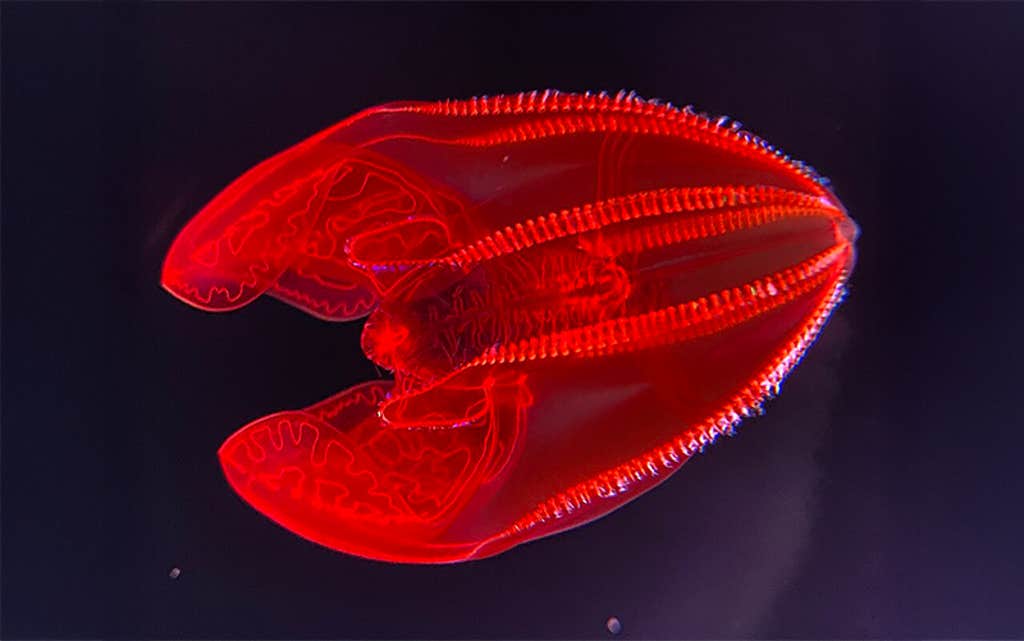
Lampocteis cruentiventeror the bloody-bellied comb jelly, may seem incredibly vibrant to us, but at the bottom of the North Pacific Ocean it is almost invisible to predators.
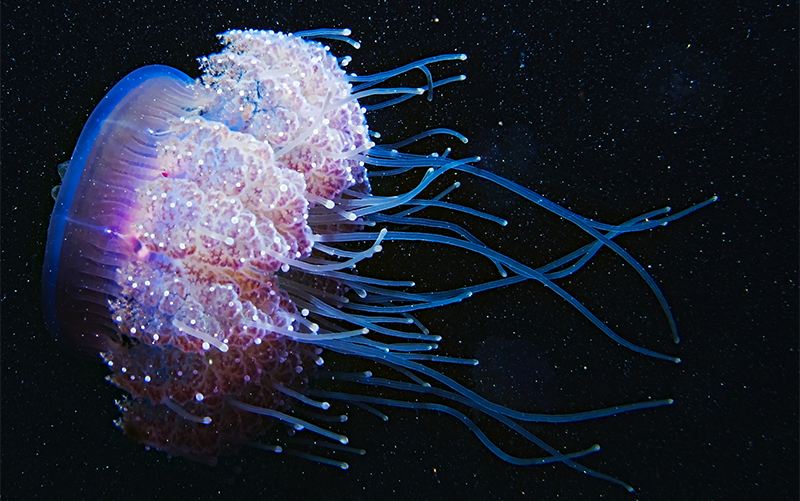
Porcini mushroomhea cepheusalso known as crown or cauliflower jelly, has around thirty “spikes” protruding from its circular body. It lives in the Indo-Pacific and has a diameter of up to 24 inches.
ADVERTISEMENT
Nautilus members enjoy an ad-free experience. Log in or register now.
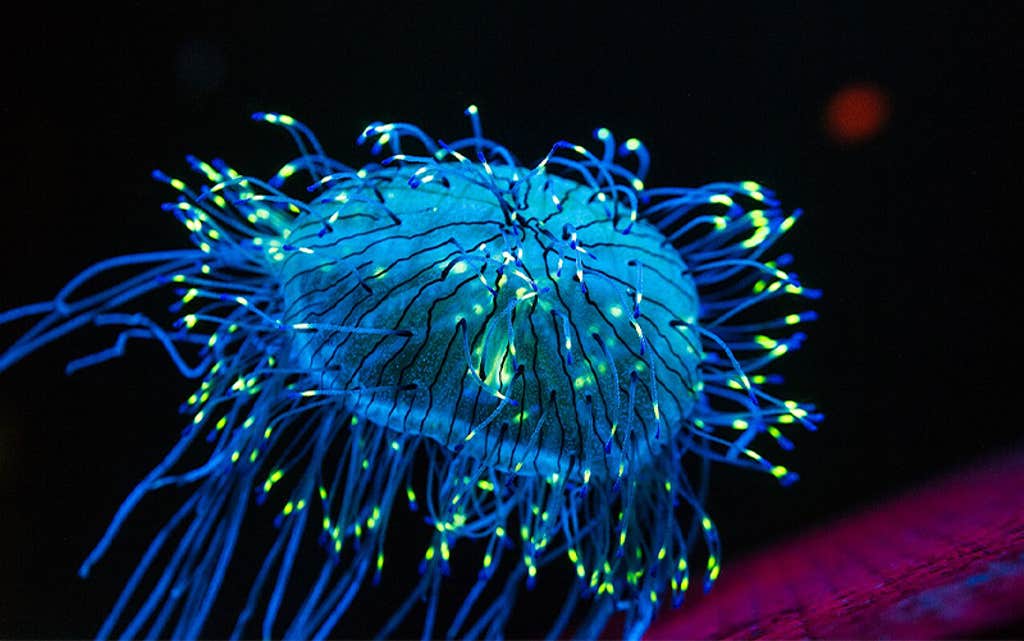
This might look like a cap worn at a rave, but it’s actually Olindias formosus—flower cap jelly. These nocturnal agitators hover on or around the sea floor during the day and are spotted off Argentina, Brazil and southern Japan.
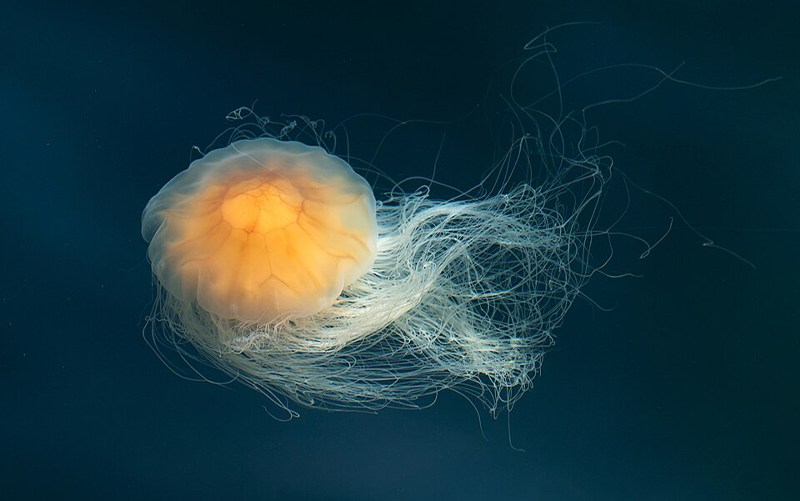
It’s a big jelly: lion’s mane jelly, or Cyanea capillatahas tentacles that can extend more than 100 feet long, even longer than the body of the 90-foot blue whale, the world’s largest mammal. This species lives in the Arctic and North Pacific oceans, and the heaviest ones live in the former.
ADVERTISEMENT
Nautilus members enjoy an ad-free experience. Log in or register now.
Enjoy Nautilus? Subscribe to our free newsletter.
Main image: Derek Keats / Wikimedia Commons


