Oldest Scottish coin ever found dates to King David I’s reign, experts say


NEWYou can now listen to Fox News articles!
A metal detector find has become a win for the Scottish Government – and experts say it is the oldest Scottish-made coin ever found.
The 900-year-old coin, which bears the effigy of David I, a 12th-century king, recently came into the possession of National Museums Scotland (NMS), a public body of the Scottish government.
Photos of the small piece show that it has darkened over time and bears signs of patina, although the symbols are still barely visible.
AN ANCIENT LONG-LOST VILLAGE WITH MYSTERIOUS PAST DISCOVERED AMID WIND FARM CREATIONS: “EXCITING DISCOVERY”
Alice Blackwell, a curator at the NMS, told Fox News Digital that the coin was found by a metal detector near a town called Penicuik, about 10 miles south of Edinburgh, in 2023.
The hobbyist quickly reported the discovery to Scotland’s Treasure Trove Unit.
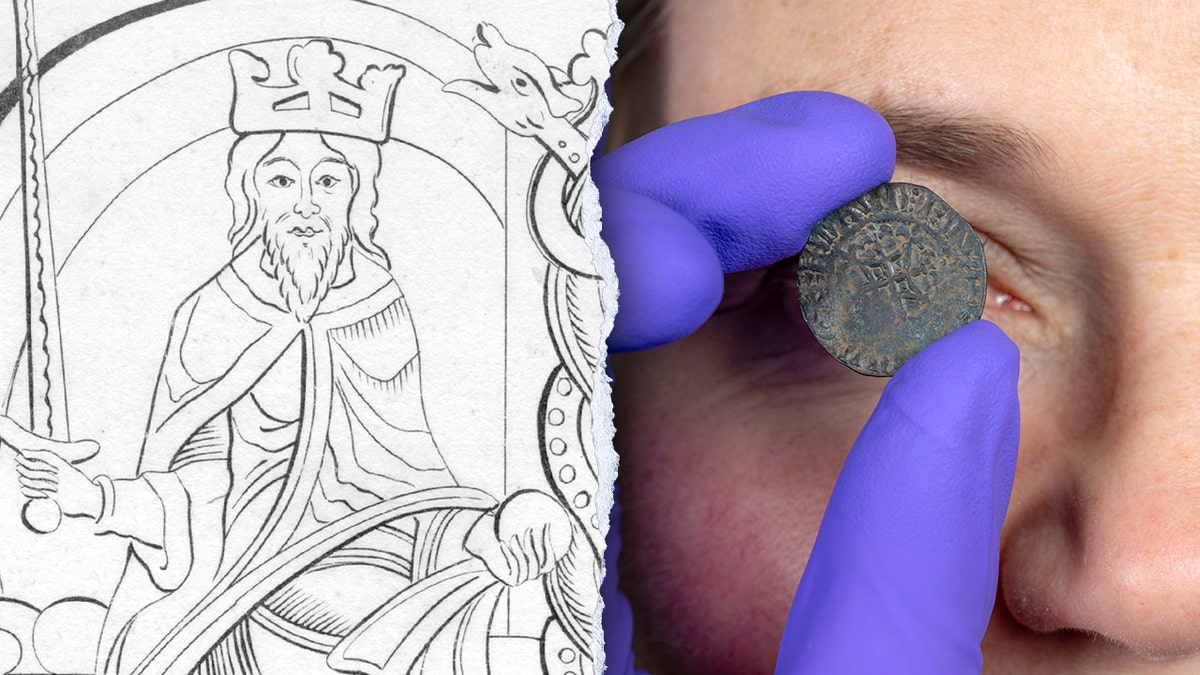
A newly acquired medieval coin linked to King David I is now held by National Museums Scotland after it was discovered by a detectorist. (National Museums of Scotland)
David I, considered one of the most important rulers in Scottish history, reigned from 1124 to 1153.
He is known for reshaping Scottish government, expanding royal authority, and being one of the few Scottish kings to be canonized by the Catholic Church.
.CLICK HERE TO SUBSCRIBE TO OUR LIFESTYLE NEWSLETTER
In the 1130s, David I introduced the first Scottish coinage. Experts have dated the coin to the 12th century and no other known Scottish coin is this old, making the find particularly significant.
“[David I] took territorial control of Cumbria and its mines, then used the existing English mint at Carlisle to produce the first Scottish coins,” Blackwell said. “Henry II then reclaimed the territory for England in 1157.”
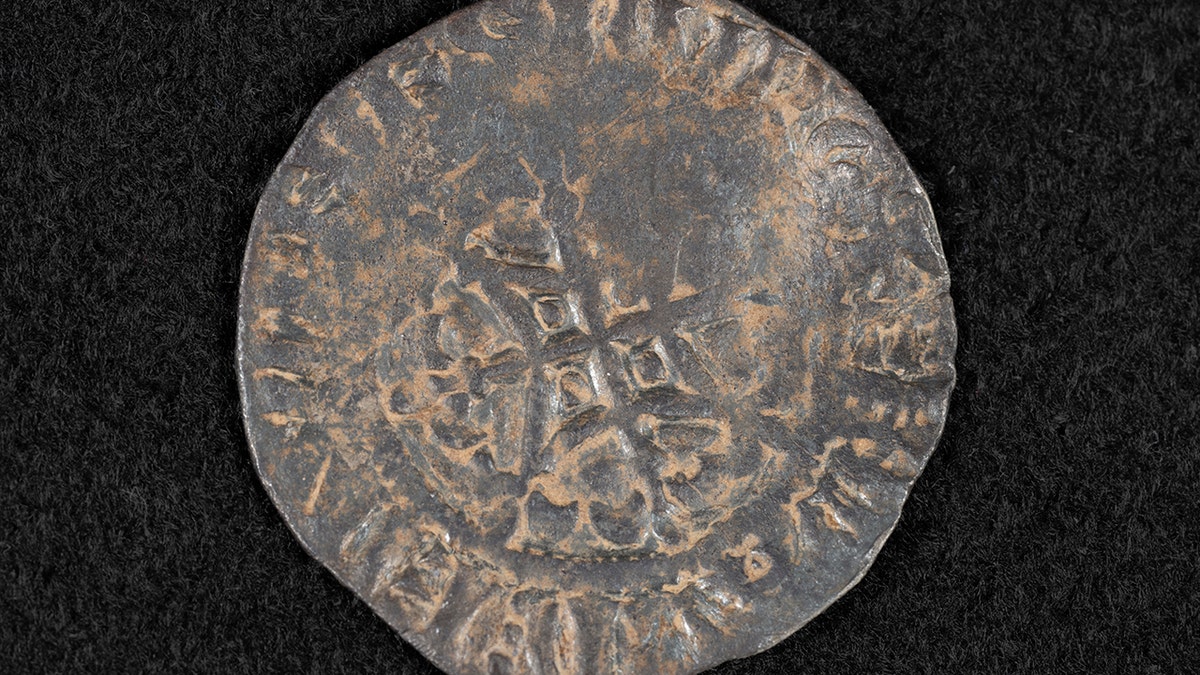
The coin, dated to the 1130s, offers a rare insight into the early days of Scottish coinage. (National Museums of Scotland)
The small coin bears the image of David I on one side and a cross-shaped design on the other, Blackwell noted.
CLICK HERE FOR MORE LIFESTYLE STORIES
“It also bears an inscription indicating that it was minted in Edinburgh, making it the first example of a Scottish coin produced from a Scottish coinage core,” she said.
The curator added that David I later established mints at Perth, Berwick-upon-Tweed, Aberdeen, St. Andrews and Roxburgh in the Scottish Borders.
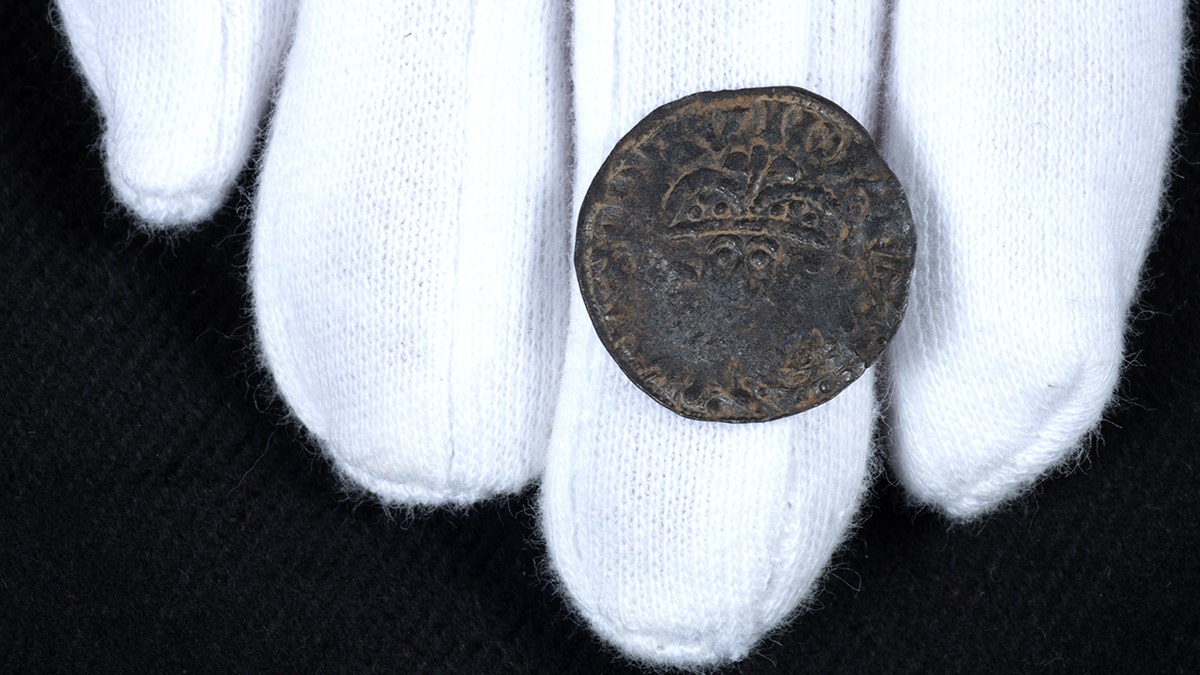
The National Museums of Scotland confirmed the artifact was found near Penicuik, south of Edinburgh. (National Museums of Scotland)
“His reign [also] included the founding of royal burghs such as Edinburgh, Perth, Dunfermline and Stirling, as well as the reorganization of civil institutions.
TEST YOURSELF WITH OUR LATEST LIFESTYLE QUIZ
The coin is worth a penny, Blackwell said – but it’s hard to say what it would be worth in modern currency.
“Determining modern economic value is complex today,” she said, adding that there were no immediate plans for a public presentation.
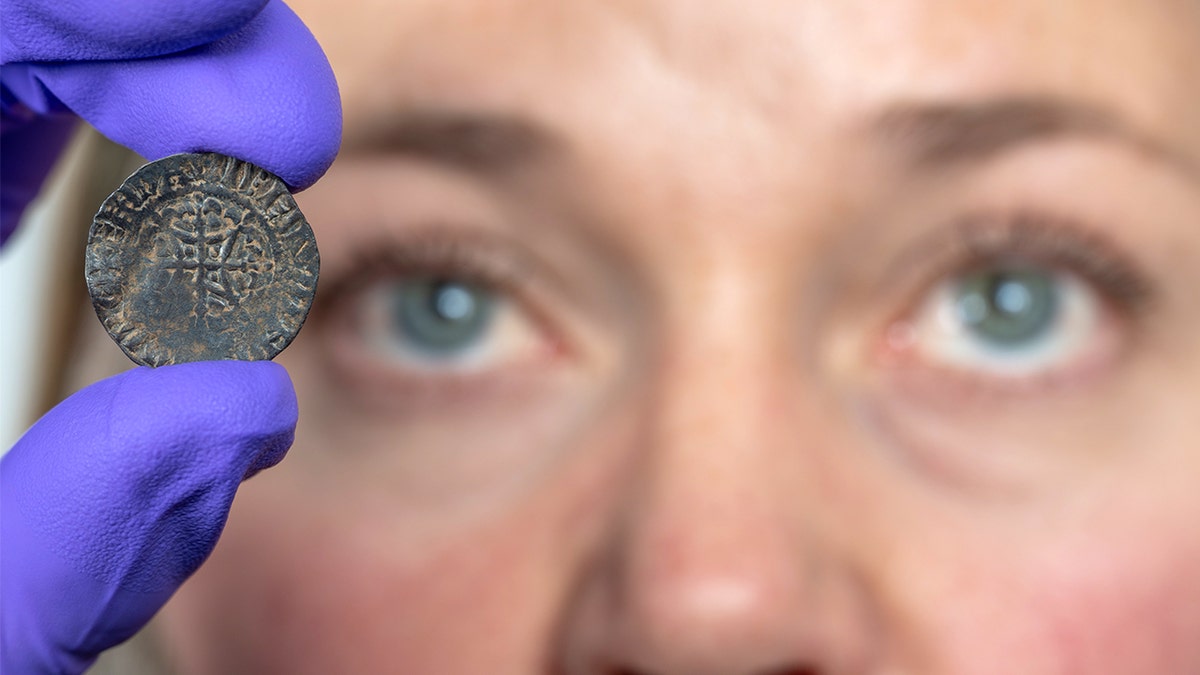
“Determining modern economic value [of the coin] today it’s complex,” said one conservative. (National Museums of Scotland)
Scotland continues to produce interesting archaeological finds.
A few months ago, excavations at the Culloden battlefield uncovered new secrets about the final moments of Scotland’s bloodiest battle.
CLICK HERE TO GET THE FOX NEWS APP
On Islay, a remote island off the west coast of Scotland, archaeologists have discovered a big castle affiliated with a long-forgotten medieval kingdom.


:max_bytes(150000):strip_icc()/Health-GettyImages-BananaWatervsSportsDrink-6663b5018d6d4a5a984b492209033d60.jpg?w=390&resize=390,220&ssl=1 "Which Is Better for Hydration and Electrolytes?")


