Surgeons remove dozens of magnets from teen’s stomach


A 13-year-old boy was hospitalized after eating dozens of high-powered magnets, according to a case report recently published in the New Zealand Medical Journal. As a result, the boy lost part of his intestine, doctors wrote.
The boy, who was not identified in the case report, ate between 80 and 100 magnets. The “high power” magnets each measured 5×2 millimeters, the report said.
After eating the magnets, the teen experienced general abdominal pain for four days. When he arrived at the hospital, he told doctors he had eaten the magnets about a week earlier. The hospital where he was treated was not identified in the report.
The case report does not specify whether the boy explained why or how he ate the magnets.
New Zealand Medical Journal 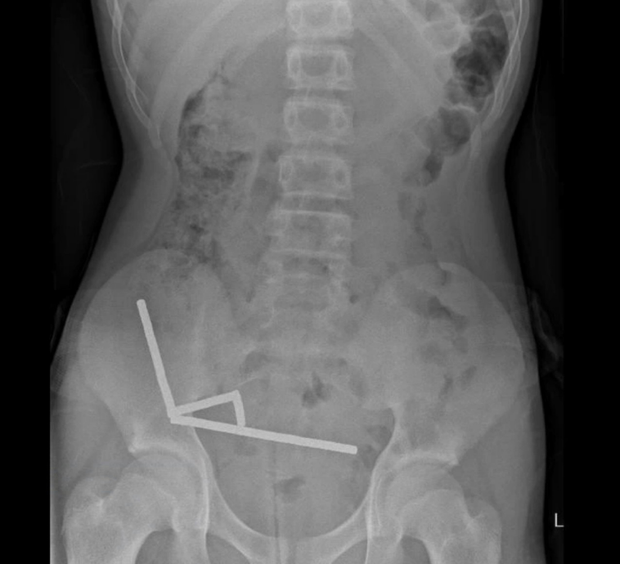
Eating multiple magnets can be incredibly dangerous because they can squeeze together inside the body and cause organ damage or other complications. Patients who eat multiple magnets often require surgery, according to the report. High-powered magnets, often sold as adult desk toys, are particularly risky. They can be five to ten times stronger than traditional refrigerator magnets. CBS News reported in 2019.
Scans showed that the magnets had connected into four chains inside the teenager’s intestine and at the beginning of his large intestine. The amount of magnets in his body disrupted some images, according to the report, so doctors performed exploratory surgery.
During the operation, surgeons discovered that the magnetic chains caused pressure necrosis in the intestine and large intestine. Pressure necrosis occurs when tissue dies because it is under too much pressure for a prolonged period of time. Surgeons successfully removed the magnets and the boy recovered from the operation. He was released from the hospital after eight days in the hospital, according to the report.
The sale of these high-powered magnets has been permanently banned in New Zealand, but the ban is difficult to enforce because the magnets can be purchased easily and cheaply online, the report notes. The boy told doctors he had purchased the magnets from the online site Temu.
Temu told CBS News they were “sorry to hear about the reported incident and wish the boy a full and speedy recovery.” A
Temu’s spokesperson told CBS News on Saturday that they had not been able to independently verify whether the magnets were purchased from the site.
The company said after launching an internal review that deals currently available for shipping to New Zealand were compliant with the country’s regulations.
“While these products are legal to sell, they can be dangerous if swallowed and we support efforts to raise public awareness about magnet safety,” the company said.
New Zealand Medical Journal 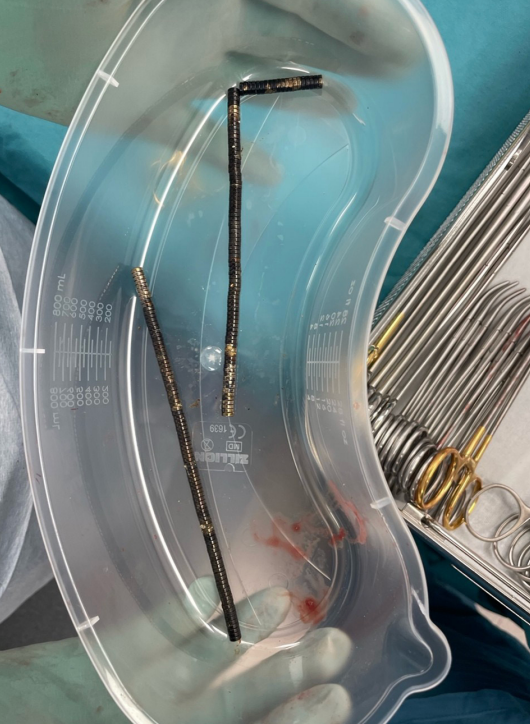
“We take product safety very seriously and continually monitor our platform to ensure that sellers comply with the safety regulations of the marketplaces in which they operate,” the spokesperson said on Friday.
Online retailers including Amazon and AliExpress list high-powered magnets available for shipping to New Zealand.
The U.S. Consumer Product Safety Commission has worked to limit the sale of high-powered magnets in the United States. In 2014, the agency banned high-powered magnetic arrays, but that decision was overturned by a court two years later. In September 2022, the agency established a mandatory safety standard for magnets. The rule sets a power limit for any product with loose or separable magnets, including those intended for entertainment and stress relief purposes.
The CPSC also calls magnets a safety risk and has issued numerous recalls of products that contain them.


