Inside the factory where MasterCraft builds watersports boats from the outside in


Wakeboarding and Wakesurfing have experienced a sharp increase in popularity over the past 20 to 30 years. These are slightly different sports, although the two start with a towing rope pulled by a motor boat. During wakeboarding, the rider keeps the rope, while Wakesurfing allows the water sports enthusiast to surf on the waves made by the boat, hands free. The two require different types of awakening models that are created by special plates installed on the stern or the rear part of the boat.
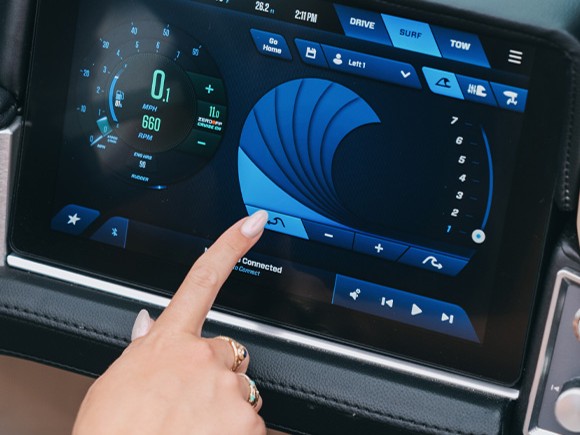
Wakesurf and Wakeboard waves are created by the movement of water by the boat, and the shape and size of the waves result from the design of the shell, the ballast (weight distribution) and the Mastercraft digital control surfing systems. The boats offer a myriad of options, which the driver can quickly change on the fly on the integrated touch screen.
Many of its boats are powered by a 2.6-liter supercharged engine made by Ilmor, which produces 630 horsepower and 665 pounds of torque. Ilmor is a British company known for its boat and motorsport engines, they are used in Indycar and Nascar races on the track. On the lake, this engine provides more than enough power to pull the wakeboarders and quickly cut into the water.
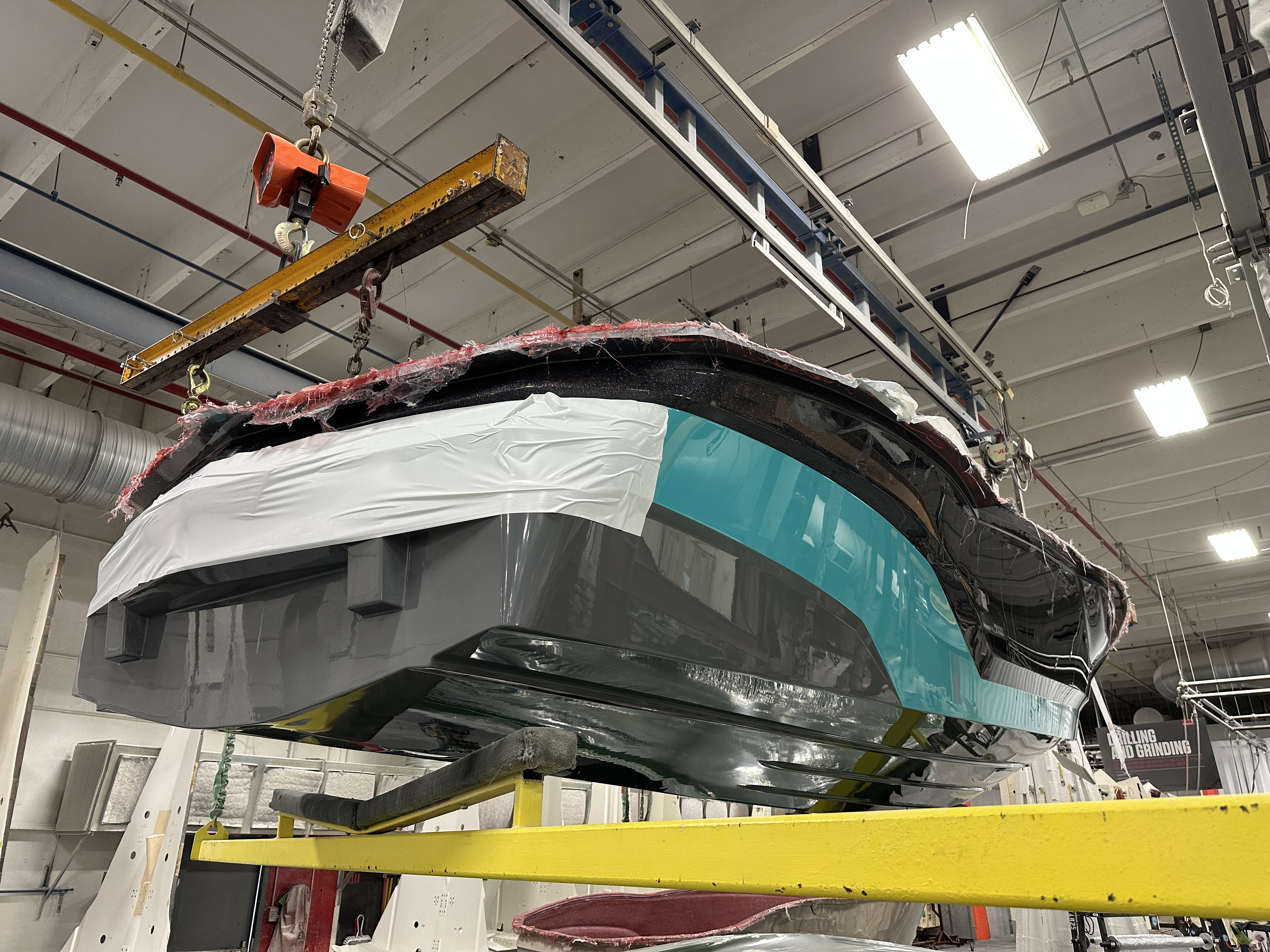
The company’s boats are built from the outside, which is exactly the opposite of almost everything else. A car is painted like one of its last steps before reaching the dealer. The furniture is assembled, then finished, stained or painted. Mastercraft boats, however, begin with its “paint” – a protective coating based on pigmented resin called gelcoat – and proceed from there.

The molding process
Mastercraft has been building boats for water sports fanatics since 1968, when he built his first ski boat on a Maryville farm, Tennessee. For three quarters of work per day, six days a week, workers carefully assemble each boat. Its factory is on the banks of Lake Tellico, a practical location to test its ships. The engineers rigorously test each boat all year round, which looks like a dream work until you realize that this Tennessee area obtains gries, rain and even snow. The show must continue.
It all starts with personalized molds. First of all, the molds are cleaned and waxed, then the staff will examine the work order to understand which colors want the customer. For more than one color, the mold is glued like a painter when it works on interior walls, then they paint from the floor. Once the lower section is hardened, it is recorded for the next color and the craftsmen progress on the boat. After being taken from the mold, the gelcoat adheres to the next fiberglass layer, not to the mold itself.
Mastercraft is added to a five -degree cone with parts to reduce friction and membership. The “blowing holes” are integrated into the mold for an easy detachment of the final shape of the mold itself. Workers grow compressed through the blowing holes, which also helps to release the room.

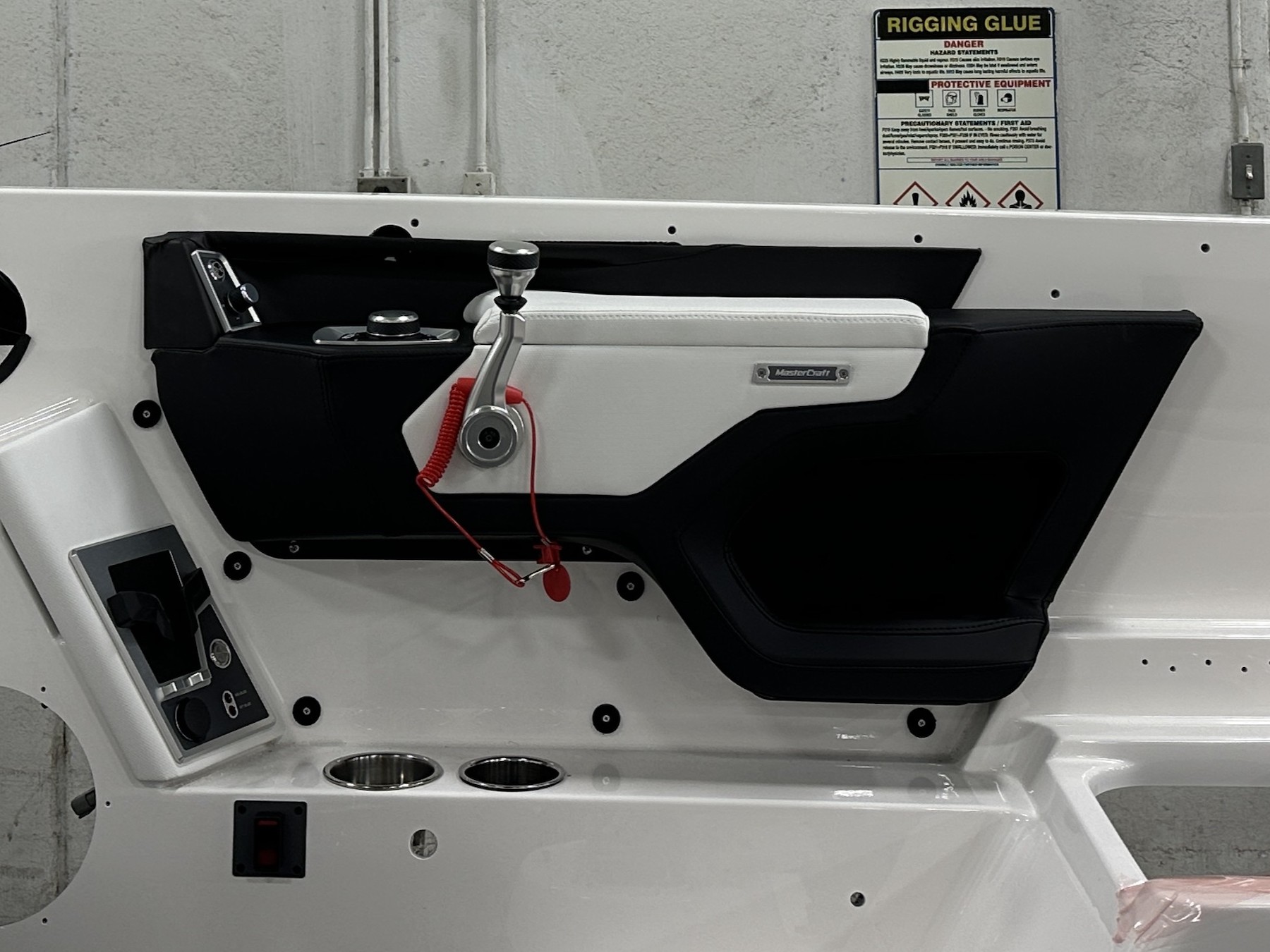

“All the holes are drilled in areas that will be cut anyway, so there is no risk of freezing in this area,” explains engineering director Kevin Boyer.
Thanks to the process of applying gelcoat, Mastercraft monitors humidity and temperature, both very influential factors on how the gelcoat heals. In the past, the company has used different mixtures in winter and summer to adapt to the disparity. Now, the new climate -controlled stands allow more consistency. The company also performs large tests and compares the data to improve the way its gelcoats heal.
Chemistry plays an important role at Mastercraft, explains the engineer of composites Jade Pearson.
“Each gelcoat has its own mind with its own viscosity, how it flows, its healing time,” explains Pearson. “We check its properties throughout the process. If it heals too quickly, it can fall from the mold, and if it heals too slowly, you can have porosity and other visual defects.”
The same goes for the resin: if it heals too quickly before the team finishes working in all the air, the resulting finish will show defects. As such, bridges and shells have different processes, so that the beginning hours are staggered so that they can finish almost simultaneously. It’s a bit like cooking a Thanksgiving meal: the turkey should start cooking long before potatoes, for example. The coordination of healing times means that everything comes to the table at the same time.
Fiberglass, resin and puzzle pieces
Workers use fiberglass or fiberglass cuts. On the factory floor, they instill the fiberglass with resin, then roll it and compress it to eliminate air bubbles on the assembly. Long nozzles shoot on the fiberglass, which is then cut into pieces of an inch; Following behind the person brandishing the nozzle is someone else with a tool that looks like a roller of paint, which mixes the resin and fiberglass to eliminate surface disturbances. Glass fiber looks like pink daddy beard, but you don’t want to touch it and you certainly don’t want to eat it.
“This is a highly designed process,” says Boyer. “They may have up to six people deploying the fiberglass resin to eliminate all potential defects. Someone else inspects each centimeter with special light. ”
The bridges are assembled upside down, then return to the right to assemble it with the shell. The corners for the seats are integrated, just like a space to fall into a cooler. Once the shell and the bridge are in sandwich, personalized templates are used for all pre-tied holes.
These reusable pattern parts are applied by experts who know exactly where they are going, each adjusted to the boat like a piece of puzzle of the arc with the stern, port and the star. Different colors are used on the templates to signify the size of the forest to be used so that workers do not have to fold their eyes to fractional numbers on the boat.
High technology design behind the scenes
Although Mastercraft uses very little robotic assistance on the factory floor, it uses its fair share of digital simulation tools on the side of engineering and technology. The company examines the dynamics of computer fluids (CFD), which calculates digital analysis and algorithms to solve and analyze fluid flow problems.
The main Mastercraft treatment engine is Simerics-MP + for Marine, a 3D CFD tool that provides virtual tests and can predict the performance of the shell design, friction, wave resistance, efficient power, acceleration of autopropulsion, maneuver, etc. Associated with the Open Source Screen Reader Orca, which acts as a graphic user interface, Mastercraft engineers obtain specific comments throughout the process.
“We are using CFD more and more for our initial design as well as everything we see in the field to assess the boats,” explains Erik Christiansen, vice-president of Mastercraft engineering. “We have historically used towing tanks for scale models, but we have moved more in the computer side, because it is much faster to review iterations.”
The creation of large -scale model tests in CFD is more applicable than model tests on a construction scale for certain things, such as the shape of the waves, explains Christiansen. It also helps to design large -scale prototypes for new boat conceptions.
At the rear, however, tests in person are essential. Each new model is sent to Florida for offshore tests in order to simulate a life of possession of boats, explains chief engineer Nick Stinson.
“We collect a set of data on the number of G strikes can take the boat,” he says. “We have codified all of this and reduced it to this offshore test; We send someone to offshore for a few days, and they are there with accelerometers. ”
The next time you are on the lake for a Wakesurfing session, imagine what it is to endure a set of waves on the ocean. And be grateful that even if your Mastercraft boat can take such a blow, you don’t have to.


More offers, reviews and purchasing guides


:max_bytes(150000):strip_icc()/Health-GettyImages-2213869805-0f34059c16d54660affb21484507a85c.jpg?w=390&resize=390,220&ssl=1 "12 Foods To Eat After Getting Your Wisdom Teeth Removed")