Paradromics gets FDA approval for brain implant speech restoration trial


NEWYou can now listen to Fox News articles!
An American neurotechnology startup called Paradromics is gaining momentum in the rapidly growing field of brain-computer interfaces. The FDA has approved its first-in-human trial to test whether its fully implantable device can restore speech to paralyzed people. This milestone gives the Austin company a strong position in a competitive space, shaping the future of neural technology.
Paradromics has received investigational device exemption status for the Connect-One early feasibility study using its Connexus BCI. This is the first approved study to explore speech restoration with a fully implantable system. The research team wants to evaluate security and see how well the device converts neural activity into text or synthesized speech.
Sign up for my FREE CyberGuy Report. Get my best tech tips, urgent security alerts and exclusive offers straight to your inbox. Plus, you’ll get instant access to my Ultimate Scam Survival Guide — free when you join my CYBERGUY.COM bulletin.
BRAIN IMPLANT TRANSFORMS THOUGHTS INTO DIGITAL CONTROLS
How the brain implant works
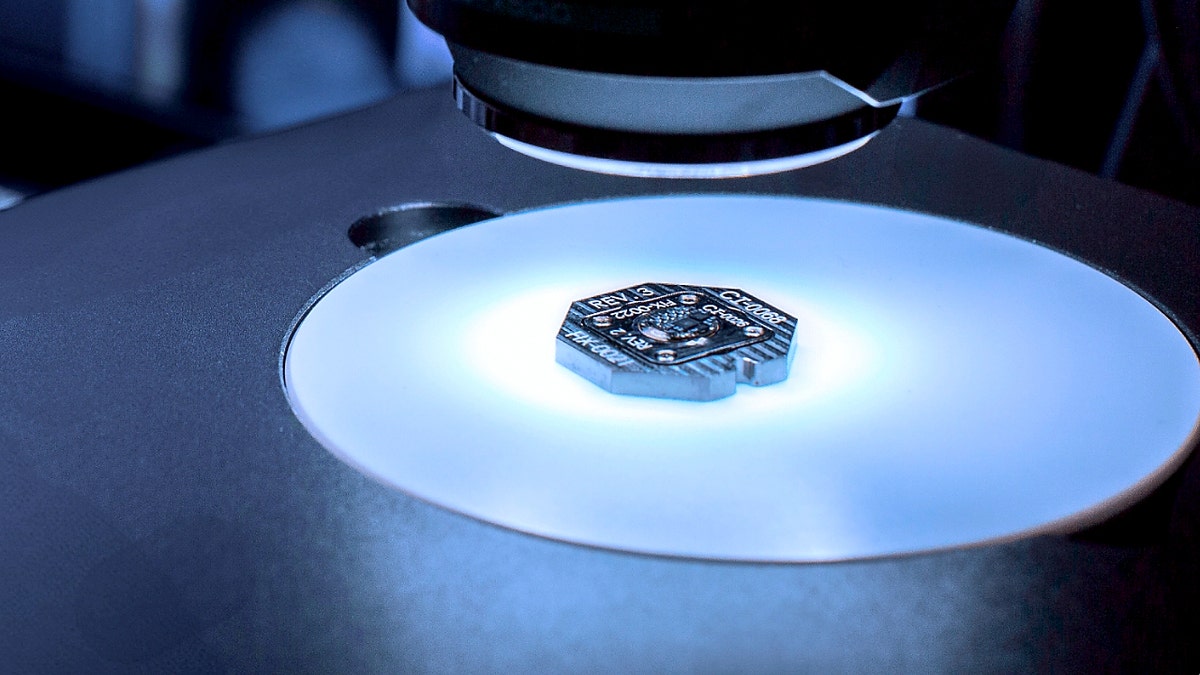
The implant uses hundreds of tiny electrodes to capture detailed signals from the motor cortex, where the brain forms sounds and shapes words. (Paradromic)
Paradromics has developed a fully implantable speech-focused brain device called Connexus BCI. The company designed it to capture detailed neural signals enabling real-time communication for people who cannot speak. This system uses high-resolution electrodes and an implanted wireless setup to record the activity of individual neurons involved in speech formation.
The Connexus BCI has a titanium body with more than 400 platinum-iridium electrodes placed just beneath the surface of the brain. Each electrode is thinner than a human hair. These electrodes record neuronal firing patterns in the motor cortex, where the brain controls the lips, tongue and larynx.
Surgeons place the implant under the skin and connect it using a thin cable to a wireless transceiver in the chest. This transceiver sends data over a secure optical link to a second body-worn transceiver. The external unit powers the system with an inductive load similar to wireless phone chargers.
The collected signals are then transferred to a compact computer that runs advanced language models. It analyzes neural activity and converts it into text or synthetic voice based on the user’s past recordings.
Inside the Paradromics BCI Human Trial
The trial begins with two participants. Each person will receive a 7.5 millimeter wide electrode array placed 1.5 millimeters into the part of the motor cortex that controls the lips, tongue and larynx. During the training sessions, volunteers will imagine speaking sentences while the device learns the neural signatures of each sound.
This is the first BCI trial formally targeting real-time synthetic voice generation. The study will also test whether the system can detect imaginary hand movements and translate these signals into cursor control.
If the initial results meet expectations, the trial could be expanded to ten people. Some participants may receive two implants to capture a richer set of signals.
HOW A SMALL RETINAL IMPLANT HELPS PEOPLE RECOVER SIGHT
Cyberguy contacted Paradromics for comment and received the following statement:
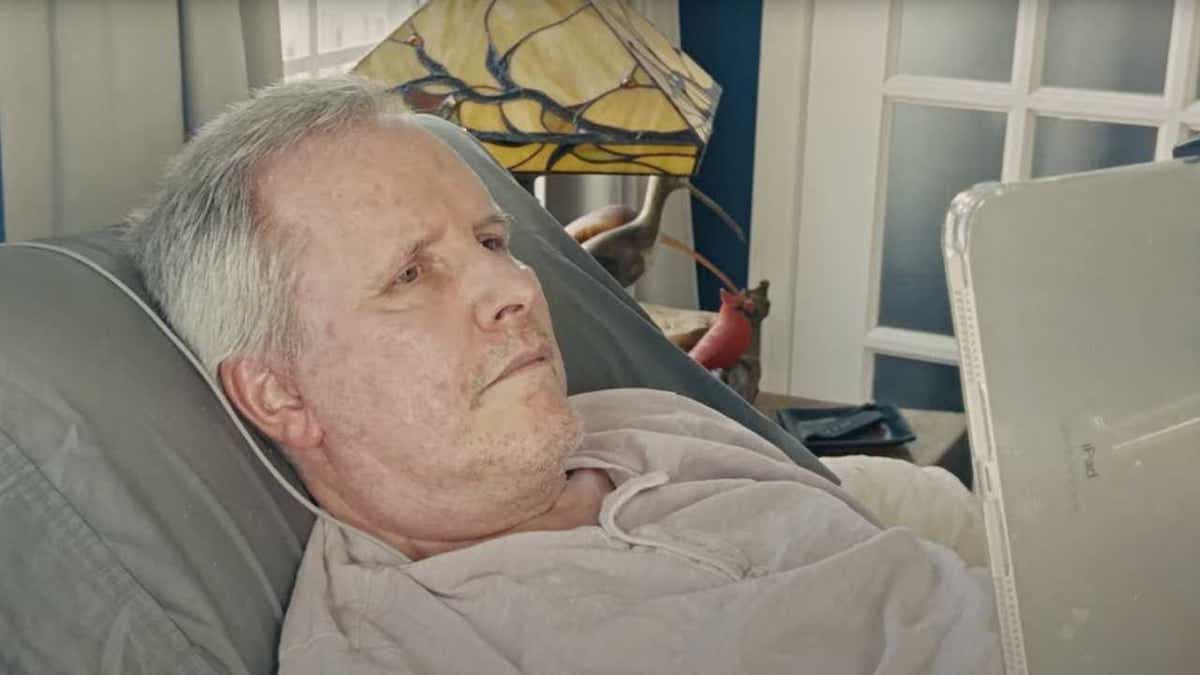
Researchers are testing whether Paradromics’ fully implantable brain device can translate neural activity into speech in real time for paralyzed people. (Synchronization)
“Communication is a basic human need. For people with severe motor disabilities, the inability to express themselves with family and friends or meet their basic needs makes life difficult. The FDA-approved clinical study for the Connexus brain-computer interface is the first step toward a future where commercially available neurotechnologies can restore the ability to speak naturally and use a computer seamlessly.
The fully implanted Connexus BCI is designed to record brain signals from individual neurons, capturing the massive amounts of data required for high-performance applications such as speech restoration and complex mouse and keyboard hand actions. Constructed from proven medical-grade materials, Connexus BCI is designed for long-term daily use, backed by more than three years of stable preclinical recordings.
How Paradromics Compares to Other BCI Companies
Paradromics joins Synchron and Neuralink at the head of the BCI implanted race. Synchron uses a stent-like device placed in a blood vessel to record large neural patterns. Neuralink uses flexible wires with multiple recording sites to capture high-bandwidth signals from individual neurons.
Paradromics sits in the middle of these two approaches using a fully implantable system that still captures the details of a single neuron. Researchers believe this design could provide long-term stability for everyday communication.
What does this mean for you
This breakthrough could make a major difference for people who have lost the ability to speak after ALS, stroke or spinal cord injury. A system that converts thought into speech could help them speak in real time and regain their independence. It can also enable hands-free computer control, which can improve daily life.
If the trial is successful, the technology could change how assistive communication devices work and speed up patient access to advanced tools.
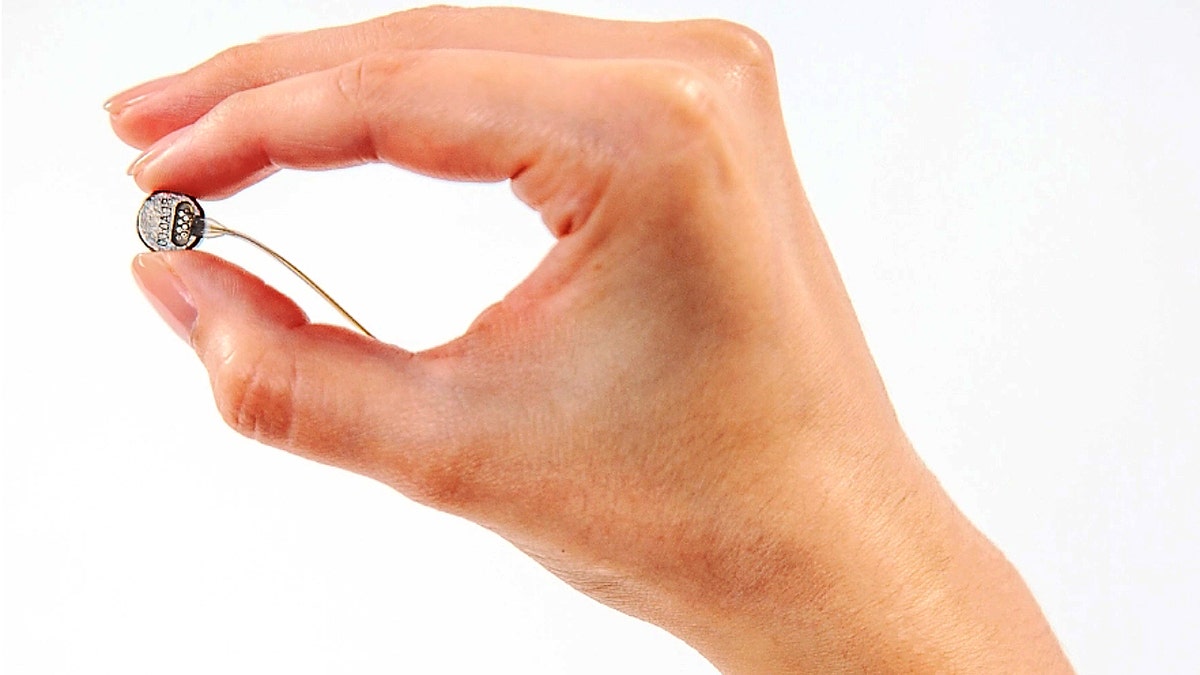
During the trial, volunteers imagine speaking while advanced AI models learn their neural patterns and convert those signals into text or synthetic voice. (Paradromic)
Take my quiz: How safe is your online security?
Do you think your devices and data are truly protected? Take this quick quiz to see where your digital habits stand. From passwords to Wi-Fi settings, you’ll get personalized analysis of what you’re doing right and what needs improvement. Take my quiz here: Cyberguy.com
BRAIN IMPLANT FOR EPILEPSY TESTED IN 20 MINUTE SURGERY
Kurt’s Key Takeaways
Paradromics takes a careful but bold path toward practical BCI communication. The first step is small but significant. It lays the foundation for devices capable of restoring speech with natural flow and faster response times. As further trials progress, this area may move from experimental to everyday use more quickly than expected.
Would you trust a fully implanted brain device if it meant restoring communication for someone you care about? Let us know by writing to us at Cyberguy.com
CLICK HERE TO DOWNLOAD THE FOX NEWS APP
Sign up for my FREE CyberGuy Report Get my best tech tips, urgent security alerts and exclusive offers straight to your inbox. Plus, you’ll get instant access to my Ultimate Scam Survival Guide — free when you join my CYBERGUY.COM newsletter
Copyright 2025 CyberGuy.com. All rights reserved.


