Targeted aerial treatment begins to mitigate spongy moth, fall cankerworm

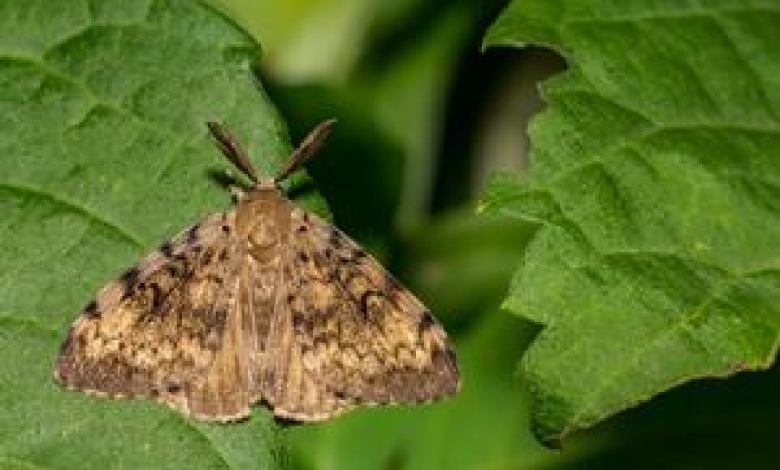

The Department of Conservation and Natural Resources has begun its targeted aerial spraying of the state’s forests to control gypsy moth and fall looper populations in many areas of Pennsylvania.
These treatments aim to prevent spring insect infestations.
DCNR officials say the 2026 treatment plan marks a significant reduction in affected acreage compared to previous years, reflecting the success of removal efforts.
After defoliating 55,286 acres in 2025, gypsy moth impacts are diminishing. This year’s treatment will cover just over 3,100 acres, compared to more than 75,000 acres last year and 227,000 the year before.
State Forester Seth Cassell says gypsy moths have been a significant threat to native oak forests for several years, but treatments have helped protect them.
“Our Bureau of Forestry’s removal efforts are making a difference and we remain committed to protecting these vital forest landscapes for the use of present and future generations,” he said.
DCNR will oversee gypsy moth treatment on seven blocks, including portions of Delaware State Forests.
Gypsy moths feed in the larval stage and typically hatch in mid-to-late April in southern Pennsylvania and early to mid-May in the northern part of the state.
Trees most affected by gypsy moth include oak, apple, gum, basswood, birch, aspen and willow. Experts with DCNR’s Bureau of Forestry say the state’s oak groves are particularly vulnerable to these infestations.
DCNR will also conduct aerial treatment for fall borers, covering 5,345 acres over six treatment blocks in Forbes State Forest, located in parts of Somerset and Fayette counties.
This treatment, which takes place around the same time as the gypsy moth program, aims to protect stressed forests from defoliation. These areas have faced repeated damage from pests and drought in recent years, making them more vulnerable. Even though the fall looper is a native insect, another year of defoliation could prevent forest regeneration.
Removal programs aim to minimize defoliation, preventing trees from becoming stressed and succumbing to disease, other insect pests or drought.
Aerial processing will be carried out using two helicopters. Targeted sites are selected based on surveys of egg masses and other indicators across the state, identifying areas where populations are increasing and have the potential for significant defoliation.
The applied insecticide, Bacillus thuringiensis subsp. Kurstaki (BtK), must be ingested by young caterpillars feeding on emerging foliage. This product is specific to young caterpillars, requires ingestion to be effective and has no known impact on other insect groups, including bees.
Download the FREE WPXI News App for breaking news alerts.
Follow Channel 11 News on Facebook And Twitter. | Watch WPXI NOW