Period Choices: Pads, menstrual cups, pants and tampons



 Getty images
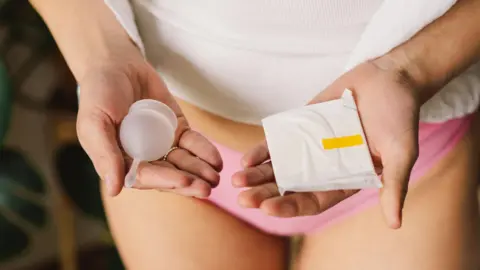
For many of us, our first lessons over the periods were brief and practical, often limited to learning to use buffers or pads.
In addition to these traditional options, there are now a larger range of available products, including reusable options such as menstrual cups, period pants and washable pads.
Choosing the one who is best for you can be overwhelming. You may be wondering how these products work and if they are sufficiently infallible to put the fear of bleeding through your clothes remotely.
Dr. Tempest, a consultant gynecologist at the University of Liverpool, spoke to radio 4 radio bread on the functioning of each product and the advantages and disadvantages to help you decide that could suit you best.
Menstrual cup
 Getty images
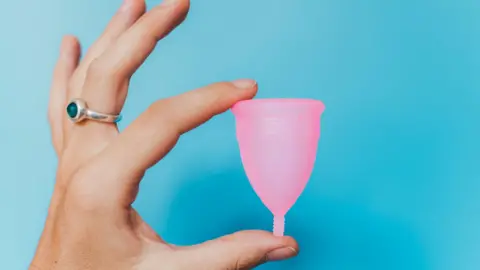
The menstrual cups are small flexible cups in medical quality silicone.
You fold them and insert them into the vagina, where they collect blood rather than absorb it.
Dr. Tempest says that there are different types of cups available for purchase depending on the strength of your flow or if you have had children.
Hygiene is also very important, so be sure to wash your hands before inserting the cup and cleaning the cup between uses, she adds.
Pros
- The product at the most environmentally friendly period
- Such up to three times more blood than a stamp
- Can be worn until 12 noon
- Reusable for years – they can last up to 10 years but between two and four years is the average
- Profitable in time
Disadvantages
- Takes practice to insert and delete
- Can take the time to find the right adjustment
- Disorderly to empty, especially in public toilets
- Needs sterilization between cycles
- Higher initial cost which can be approximately £ 25 to 25
Vintage pants
 Getty images
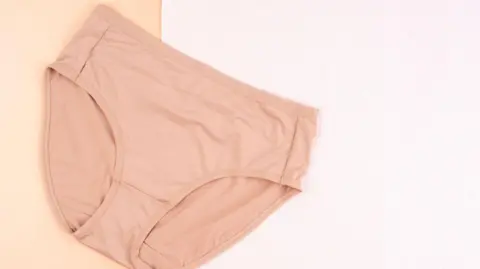
Vintage pants are underwear with integrated absorbent layers. You wear them like normal pants then rinse, wash and dry them to reuse.
They are particularly popular for sleeping or by lighter days.
Leak concerns are normal, but Dr. Tempest says they are reliable for most people and have an integrated waterproof layer and an odor lining.
Pros
- Look and feels like regular underwear
- No trip and last between six and eight hours
- Reusable and ecological – they last between two and three years
- Can be superimposed with other products for additional protections
Disadvantages
- May have an expensive initial cost – prices start at around £ 10 and go up to £ 50
- Requires washing and drying between uses
- May not be absorbing enough for heavy flows
- Improper for travel without access to detergent
- Will need to transport a used pair with you if the changes during the day
Reusable pads
 Getty images
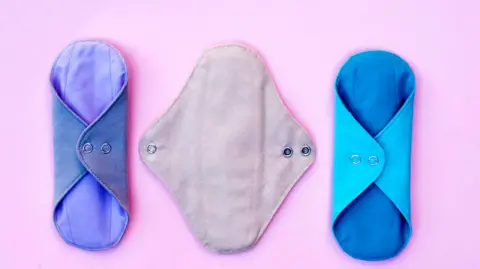
The reusable pads resemble those disposable, but are generally made from cotton or bamboo and are fixed around your underwear with poppers.
Instead of throwing them away, you rinse, wash them and dry them to use again.
Pros
- Sweeter and more comfortable to wear than plastic pads
- Ecological if you want a more sustainable option
- Variety of sizes and absorbations
- Profitable in time
- Can last between three and five years
Disadvantages
- Need to be washed after each use
- Requires planning – They must be dried properly between uses, says that Dr. Tempest as a damp fabric against your skin can increase the risk of infection
- Larger than disposable pads
- Less practical if you are out of the house because you will have to transport those used with you
Disposable pads
 Getty images
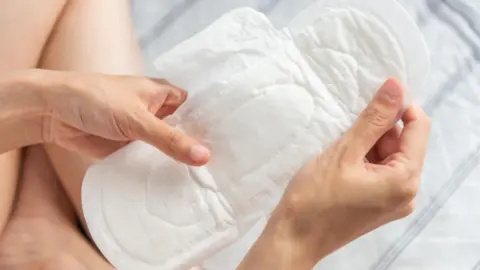
Disposable sanitary pads are the most commonly used vintage product – they stick in your underwear, absorb blood outside and are wrapped and wrangles after use.
Dr. Tempest advises regularly changing stamps (every four to six hours) and they should not be worn for more than eight hours because they can irritate the skin if they are worn for too long.
Pros
- Simple to use
- Widely available in many different sizes of ultra-thinning with thick night pads
- Good for night protection
- Can be more comfortable for beginners
Disadvantages
- May feel bulky or get out of its place
- Not practical for water -based sports, such as swimming
- Harmful to the environment – An average package of pads contains the same amount of plastic as five bags of carrier according to Dr. Tempst
- The more expensive than reusable options over time – women spend about £ 5,000 for period products during a lifetime
Tampons
 Getty images
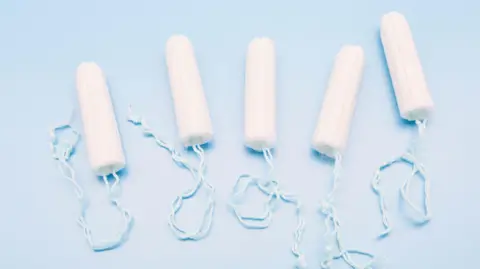
The buffers are also commonly used and inserted in the vagina, where they absorb blood before leaving the body.
Dr. Tempest underlines that they must be properly eliminated.
Each day, 2.5 million pads are rinsed in the toilet when they are placed in a trash can.
Pros
- Discreet and small enough to transport in a pocket
- Good for sport and swimming
- Range of absorbations
Disadvantages
- Requires insertion that some people can find uncomfortable
- Low risk of toxic shock syndrome (TSS) if it is worn for too long
- Hostile environment
- More expensive during a lifetime compared to reusable products


