GLP-1s may increase risk of osteoporosis and gout, new research finds


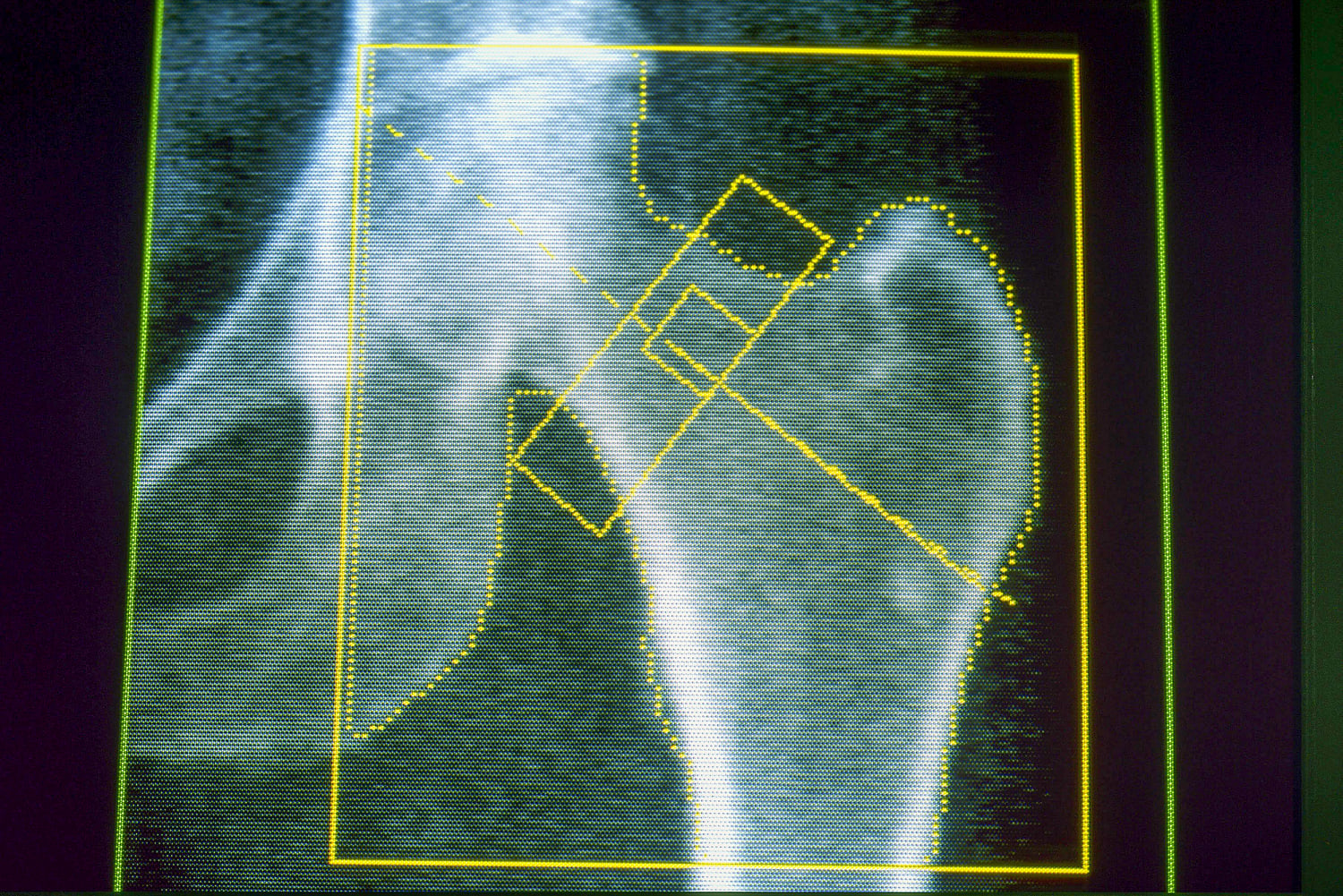
GLP-1 medications — including Ozempic and Wegovy — may be linked to a slightly higher risk of osteoporosis and gout, according to a study presented Monday at the annual meeting of the American Academy of Orthopedic Surgeons.
Dr. John Horneff, associate professor of orthopedic surgery at the University of Pennsylvania and lead author of the study, said he began looking into the issue after some patients appeared to develop severe tendon tears after relatively minor injuries. This led them to examine whether GLP-1 might affect bone and other connective tissues more broadly.
“People are taking these medications, and there are obviously huge benefits,” Horneff said. “But with that, they start to decrease their food and nutrient intake.”
Osteoporosis is a disease that weakens bones and makes them more likely to break or fracture, often from minor falls. This is a common concern among many older adults and people who lose a lot of weight in a short period of time. Gout, on the other hand, is a painful form of arthritis that can occur when the body has too much uric acid, which can come from a diet high in red meat and alcohol, as well as rapid weight loss.
In the new study, which has not yet been published in a peer-reviewed journal, researchers analyzed five years of medical records from more than 146,000 adults diagnosed with obesity and type 2 diabetes.
The study compared patients taking GLP-1 drugs to patients not taking them.
The records did not contain detailed information about the GLP-1 drug each patient was taking, although documented drugs included semaglutide, sold under the names Ozempic and Wegovy, and liraglutide, sold under the names Victoza and Saxenda.
About 4% of GLP-1 users developed osteoporosis, compared to just over 3% of non-users, an increased risk of about 30%. A related condition, osteomalacia, which involves softening of bones, was rare but also occurred about twice as often in people on GLP-1.
Gout rates were also slightly higher – 7.4% for GLP-1 users versus 6.6% for non-users – an increased risk of about 12%.
“It’s not huge,” Horneff said. “But in the data that was put into it, you even saw an almost doubled risk of having some sort of bone mineral density problem at five years old.”
“Weight loss leads to bone loss,” says Dr. Clifford Rosen, a professor of medicine at Tufts University who has studied the potential impact of GLP-1 on bone health. He was not involved in the new research.
“The question we’re studying is whether this is normal compensation of the skeleton, whether it’s just remodeling, or whether it’s actually a risk of bone loss faster than expected,” Rosen said.
Because the new research was observational, it cannot prove that drugs cause either condition. Horneff said the team did not know the patients’ diet or exercise habits, or whether they took vitamin D supplements or other nutrients important for bone health. But the findings echo other research, including a study published in February in the Journal of Clinical Endocrinology & Metabolism that linked GLP-1 drugs to a higher risk of osteoporosis-related fractures in older adults with type 2 diabetes.
The Food and Drug Administration notes on semaglutide’s label that it could increase the risk of bone fractures in older adults and women, Rosen said.
Dr. Susan Spratt, an endocrinologist and senior medical director of the Office of Population Health Management at Duke Health in North Carolina, questioned whether the increased risk was due to rapid weight loss or another mechanism of the drug.
She said some studies have suggested musculoskeletal benefits with GLP-1 drugs, and she often sees improvements in joint pain in patients who lose weight on the drugs. But she emphasized that joint health and bone density are not the same.
Horneff said more research is needed to understand why GLP-1 drugs might affect bone health.
One theory, he says, is that because the drugs suppress appetite, some patients might not get enough essential nutrients, such as vitamin D and calcium, which are important for maintaining bone health.
Another possibility is that rapid weight loss itself changes the way the body builds and breaks down bone.
“It’s the same idea as when we always hear about astronauts going into space and staying too long in a zero-gravity environment,” Horneff said. “There’s nothing forcing their bones to support their weight anymore. And a lot of these astronauts come back with low bone density. So the idea is that in these patients, their skeleton was used to holding one body together, and then all of a sudden it’s diminishing.”
For gout, Horneff said, rapid weight loss can cause a temporary increase in uric acid, increasing the risk of gout.
Dr. Christopher McGowan, a gastroenterologist who runs a weight-loss clinic in Cary, North Carolina, said that even though GLP-1 drugs increase risk, that doesn’t mean patients are helpless. Other data, he says, suggest that when GLP-1 is combined with structured exercise, bone density loss is largely attenuated.
“This tells us that lifestyle factors play a major role,” he said.
According to McGowan, the research should not change the prescribing of GLP-1 drugs. He said this is a reminder that treating obesity also requires counseling on protein intake, exercise and monitoring bone health.
“The takeaway is not fear. It’s refinement,” he said.


