
https://www.profitableratecpm.com/f4ffsdxe?key=39b1ebce72f3758345b2155c98e6709c

-
Asked to condemn the phrase ‘globalize the intifada,’ Mamdani says mayors shouldn’t ‘police speech’
02:42
-
Sen. Mullin responds to Elon Musk’s criticism of Trump agenda bill: ‘He just doesn’t know’
02:58
-
Sen. Murphy says ‘cruelty is the underlying purpose’ of Trump’s immigration policies
02:38
-
Republican Congressman: Needs to be ‘long-term assessments’ on Iran strike impacts
09:02
-
Now Playing

Senate considers amendments to Trump agenda bill amid GOP divisions
11:28
-
UP NEXT
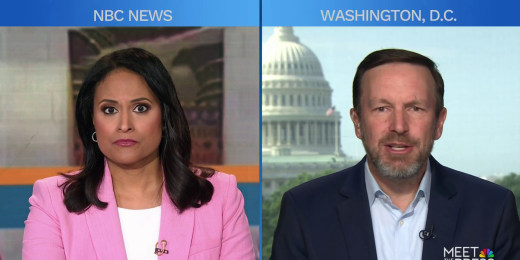
‘It is clear that this is illegal’ Sen. Murphy reacts to Iran attack: Full interview
10:31
-
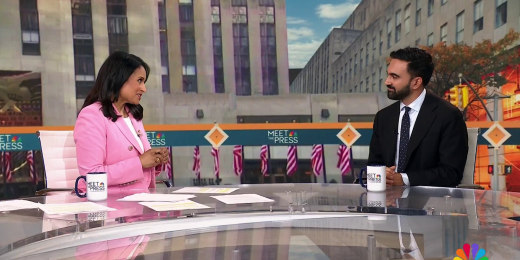
Mamdani responds to Trump’s attacks: ‘No, I am not’ a communist
01:21
-
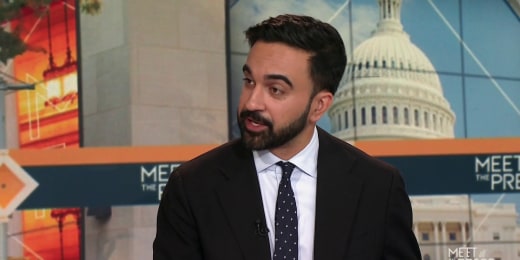
Zohran Mamdani says, ’I don’t think that we should have billionaires’: Full interview
19:03
-
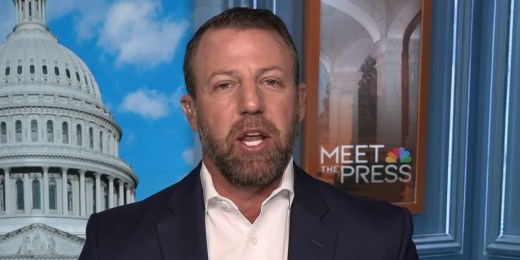
Sen. Mullin says young children of deported adults should ‘go with the parents’: Full interview
11:15
-
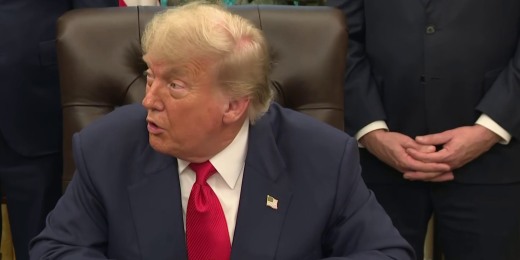
‘President who cried tariffs’: Markets react to Trump’s claim he’s ending trade talks with Canada
02:30
-
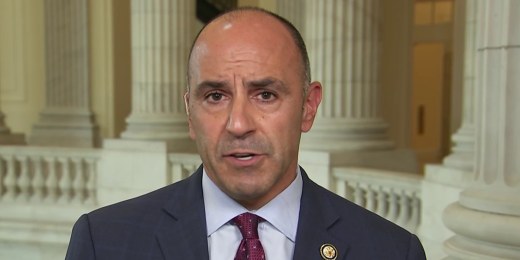
‘Congress need to assert itself’ after Trump ends trade talks with Canada, says Democratic lawmaker
08:14
-
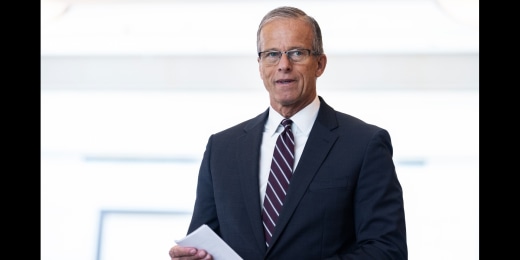
Majority Leader Thune signals Senate votes on Big, Beautiful Bill could begin Saturday
06:51
-

Trump bill hits ‘speed bumps’ as Senate parliamentarian rejects key Medicaid cuts
05:36
-
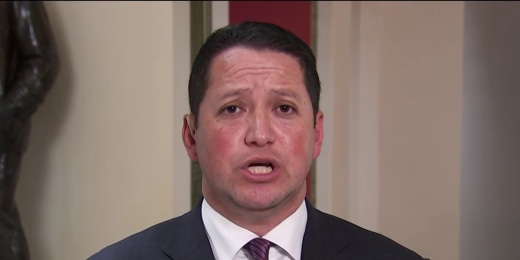
Overruling Senate parliamentarian would be ‘dangerous precedent,’ House Republican says
09:06
-
‘Odds are Iran still has a nuclear program,’ top House Armed Services Democrat says
21:06
-
‘We’re not there yet’ on Trump’s bill but ‘we can get it done by July 4’: House Republican
09:44
-
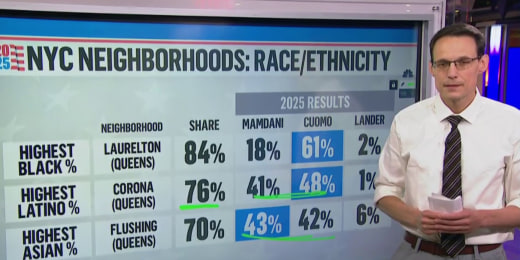
Steve Kornacki: Zohran Mamdani’s rise over Andrew Cuomo fueled by key groups
05:06
-

‘We will see loss of life’: How GOP Medicaid reforms could threaten rural hospitals
05:44
-
Intel report that strikes only sent Iran nuclear program back by months ‘makes no sense’: Expert
17:31
-
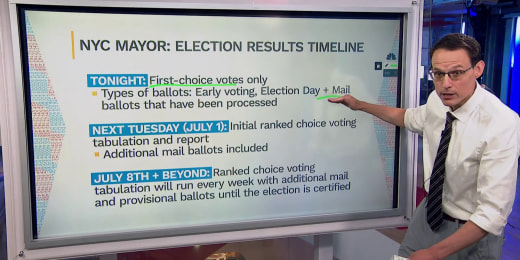
Steve Kornacki explains why New York City’s Democratic mayoral primary results may take several days
07:21


Meet the Press
-
Asked to condemn the phrase ‘globalize the intifada,’ Mamdani says mayors shouldn’t ‘police speech’
02:42
-
Sen. Mullin responds to Elon Musk’s criticism of Trump agenda bill: ‘He just doesn’t know’
02:58
-
Sen. Murphy says ‘cruelty is the underlying purpose’ of Trump’s immigration policies
02:38
-
Republican Congressman: Needs to be ‘long-term assessments’ on Iran strike impacts
09:02
-
Now Playing
Senate considers amendments to Trump agenda bill amid GOP divisions
11:28
-
UP NEXT
‘It is clear that this is illegal’ Sen. Murphy reacts to Iran attack: Full interview
10:31


