Pro today, Air tomorrow: Apple’s iPhone lineup is designed to make waves


IPhone sales are important! For Apple’s results, it is about as obvious as a declaration of bite dogs can get it.
This year, the first reports suggest that the sales of the iPhone 17 could be a little better than expected, but there is no support overvoltage for the iPhone Air. What does it mean?!
At a level, not much: Apple will always sell a million iphones, at the end. The benefits will drive. But if you are a patient like me (and I will remind you that you read this column on a site dedicated to minute -related minutes), you are probably interested in details.
They are significant for several reasons. If Apple’s expectations do not correspond to reality, this suggests that the company does not fully understand its own customers. If a model really kills it, it potentially has an impact on the overall revenues of the iPhone (for better or for worse). And perhaps the most important for most iPhone users: how the world reacts to iPhone models affect Apple plans for future IPhone models.
A six iPhone pack
When the iPhone was launched, it was singular. (Also cincular, but it’s another story.) There was only one iPhone, and therefore remained for several years.
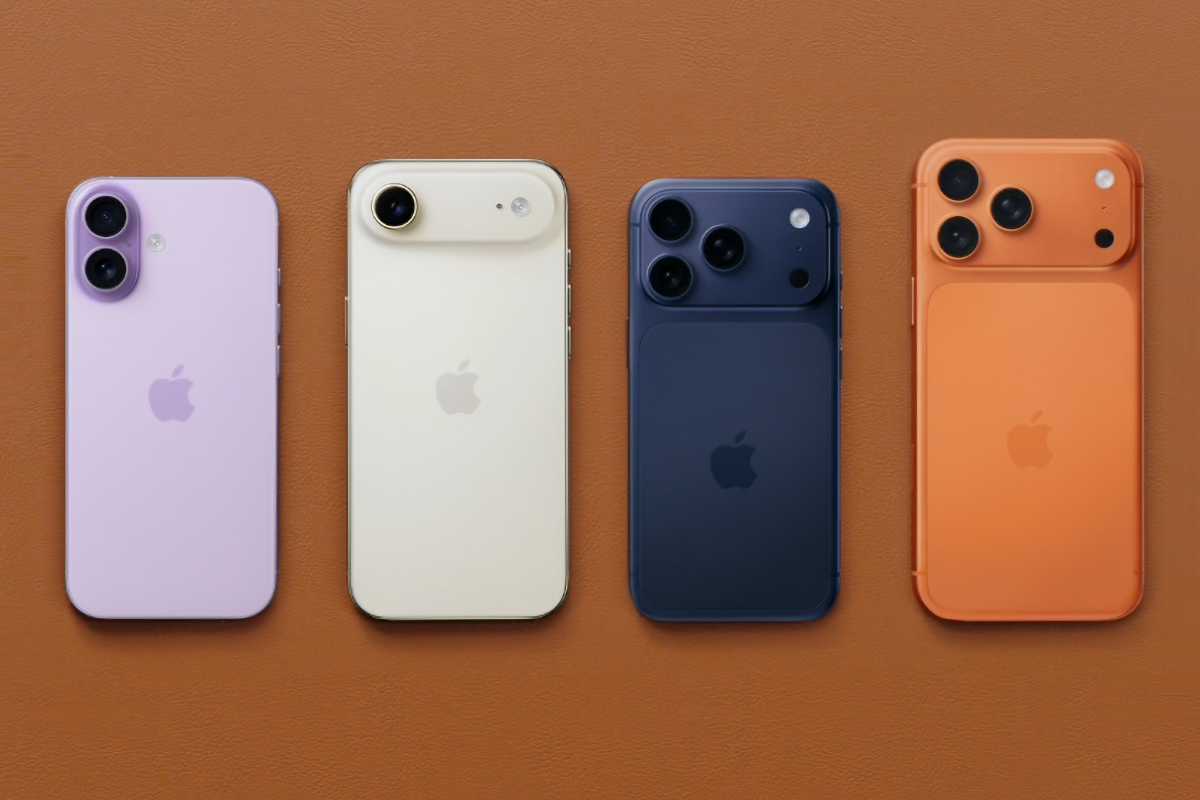
Things are very different now. During the last year, Apple introduced five new iPhone models: the 16th, 17, 17 pro, 17 pro max and air. When we think of the iPhone, one of the most important things to keep in mind is that it is not a product, it is a range of products.
Apple obtains many advantages of selling five new iPhones (the 16th is still on sale, making it a pack of six appropriate). Since the introduction of the iPhone X 2017, Apple has published increasingly expensive phones while continuing to offer cheaper models, allowing it to maintain and even develop its overall iPhone customers while obtaining more and more money from people for which money is not an object when it comes to buying a new iPhone.
What is incredible in the past eight years is that Apple always He does not seem to have found the upper limit. Perhaps next year, when the company almost undoubtedly breaks the barrier of $ 2,000, we will know. Or maybe not?! The sky is the limit on the top of the range for Apple, which is ideal for business benefits, but it is important that phones like the 16th and 17 also exist for the rest of us.
Apple
A year of transition?
It is undeniable that this year, the iPhone 17 is in fact the largest winner among all iPhones in terms of obtaining new features. The features are mainly not newBut they are new in this model and this price – the most in particular this promotion display always on. Finally, each peak functionality becomes standard.
The concern is that the iPhone 17 is so good now that more people will buy it and that fewer people will make follies on the iPhone 17 Pro. I am not too worried. Apple has had years to retain the brand around the iPhone Pro. (I spoke to so many people who never consider, never pro iPhones when they are ready to buy, because they want the best.)
In addition, Apple continues to retain a killer functionality from non -pro models: this third telephoto camera. It is difficult to abandon it when you are used to it. I tried last year because the iPhone 16 ultramarine was so tempting. I missed the display always on, yes, but the absence of a good zoom camera was also quite painful.
Here is what I do not think I have sufficient consideration when we talk about iPhone sales: different people naturally gravitate to different product slots. As I said, buyers of the iPhone Pro knows that they are iPhone Pro buyers. Non pro iPhone buyers are people who are much less enthusiastic about buying a new iPhone, do not see the value of spending a few hundred dollars more on Pro models and will be more than satisfied with the standard iPhone, or even the iPhone 16th.
I think a few people will see the increase in the starting price of $ 1,099 from the iPhone 17 Pro, look at most of the professional features that have moved to 17 and opt to save money. It could become a trend over time … Except that Apple always seems to have new professional features ready to go and replace them in the high end, right? Let’s see next year.
A matter of time
The problem with the reports of early sales of the iPhone is not that they are false, but that they are out of context. The type of people rushing into Apple stores in mid-September to buy new iPhones are not The same people who buy the rest of the year.
You and I, as an observers passionate about Apple, think of the last three or four months of the year as a iPhone season. And yes, the first fiscal quarter of the company still generates the most income from the iPhone: 36% of all the revenues of the iPhone in the last decade has come during the holiday quarter. (Although I will point out that some of this are real vacation Sales, which come later in the quarter and are not made to desperate people to buy the new iPhone of the first week.)
But almost a quarter of the iPhone revenues in the last decade have been reserved in the second quarter of the company, mapping the first three months of the calendar year. And the following two quarters, extending from April to September, are responsible for the other 40%.
My point here is that iPhone sales are not as seasonal as you think. And I would bet that the sales mixture of iPhone models also changes during the year. Admittedly, more iPhone Pro customers are listening to the first weeks of the release. And who in the world buys an iPhone just a few weeks before the release of the next models? The answer is: people who just want a new phone, probably because they broke them, and they don’t care beyond.
Earlier this year, I went to an Apple store in the California central valley and I helped two family members buy new iPhones. Both replaced very old iPhones. One of them bought a 16 pro, because she wanted the Zoom lens to take the best photos. The other, upgrading a first iPhone SE, was happy to get an iPhone 16th. The store was filled with people buying iPhones, entirely outside cycle.
Five new phones per year is a lot, and apparently, this new folding model next year could make six. But there are rumors that suggest that Apple could divide the iPhone output calendar in two, freeing pro models and the folding phone in the fall, and non -pro models in spring. (The launch of the 16th could have been a test of this approach. Apple also sometimes offers new iPhone colors in the spring to attract new buyers.)
I think it’s a very good idea. The buyers of the iPhone Pro will rush to get the last model, but more occasional buyers do not really care about the release of iPhones, because the existence of new models is not what motivates them. They buy when they wish, for the most part, and not before.
Where is the air?
The big question of this cycle is: what will happen to iPhone air? Previous phones in place in the product range, the iPhone Mini and iPhone Plus, have apparently not sold enough to continue. The first reports on the air suggest that he also notes sweet sales.
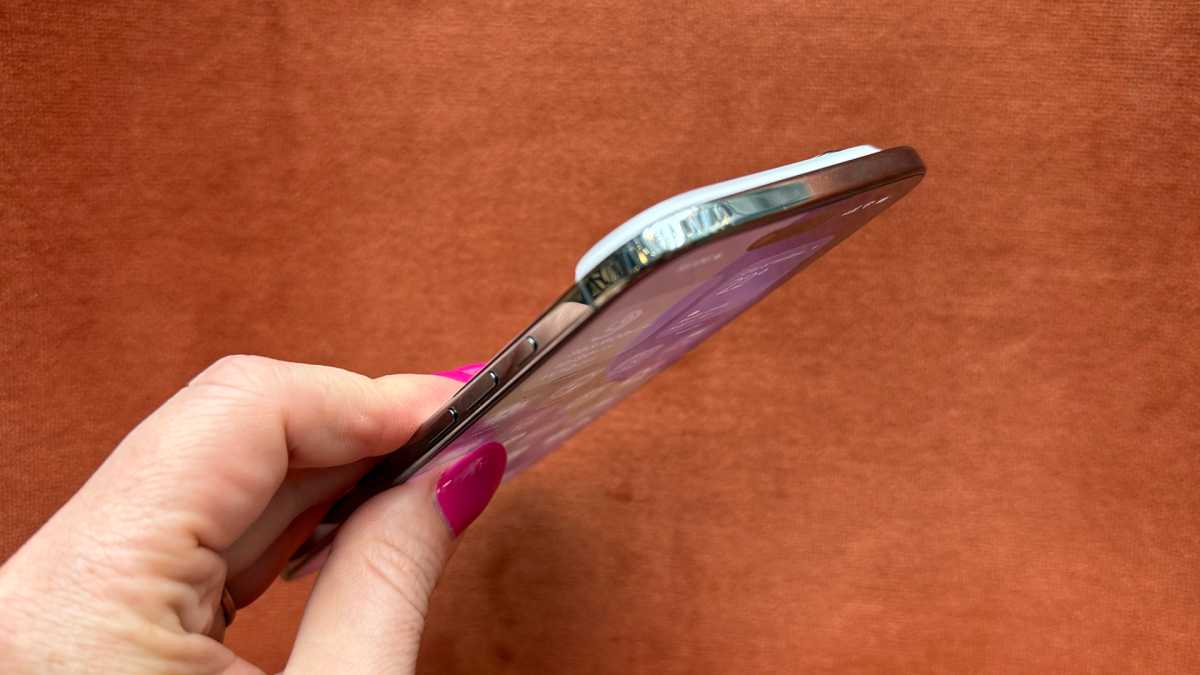
I guess we will have to wait and see, but I am inclined to believe that the iPhone Air, with its lack of cameras and a heavy lean towards design, will have a wider attraction throughout the year. The fall is, in many ways, for users of iPhone pro who will make fun of most of the specifications of the iPhone Air. But over time, as the airs of iPhone come out in the world, people will see and feel them, and I think the air will receive a lot of word of mouth.
Britta O’Boyle / Foundry
Imagine an occasional iPhone user that appears in an Apple store in March to replace their cracked iPhone 15 and pick up iPhone air. I think the thin and light design will sell a lot of phones, at the end. Just maybe more in February and May, not September and October.
Of course, Apple refuses to publish figures on sales of specific iPhone models, although it cites other surveys and lower occasional treat in its quarterly financial results. During the next year, we will just have to keep our ears open and see how new iPhones are received on the market. And don’t forget to be patient. We are all focused on new iPhones now, but two thirds of the iPhones this year will not be sold before 2026. It is a long match.


:max_bytes(150000):strip_icc()/Health-GettyImages-1492548155-da753cefe7cb4559a606910a60c2b8f9.jpg?w=390&resize=390,220&ssl=1 "Benefits, Side Effects, and More")
