Quadrantid meteor shower peaks this week: How to see the first ‘shooting’ stars of the year


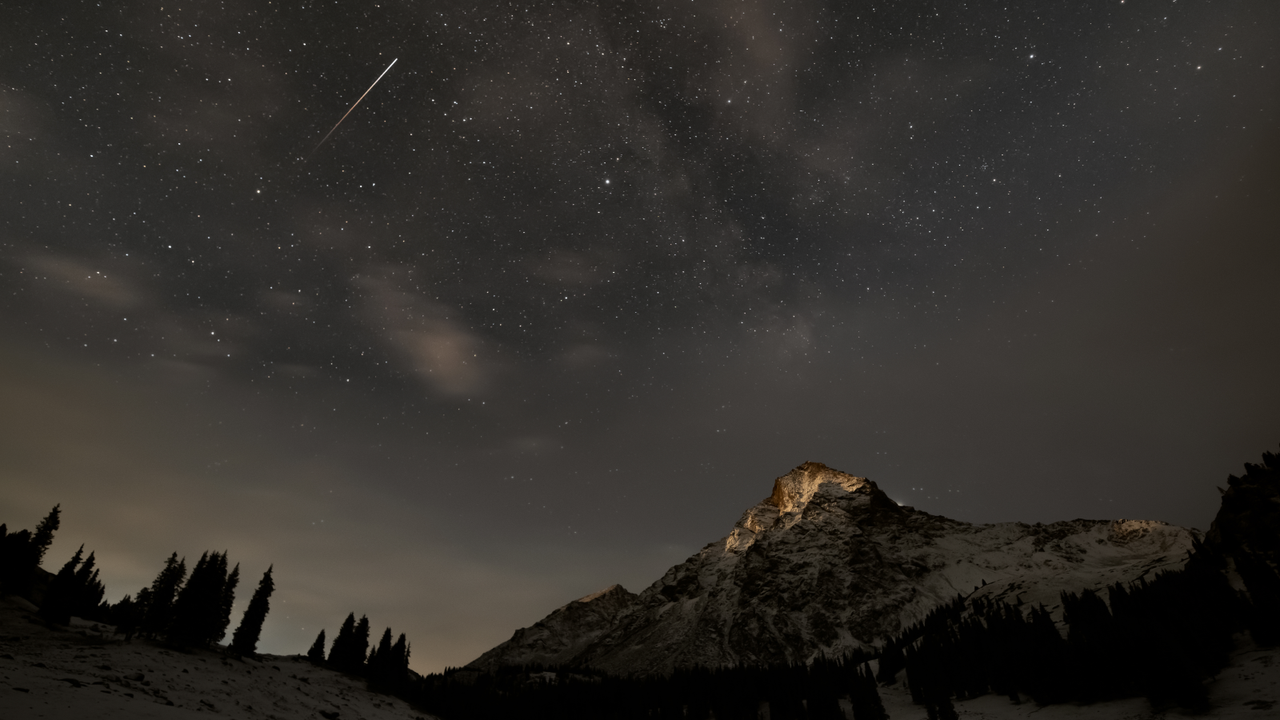
Skywatchers are set to witness a double mission of celestial observations on Saturday, January 3, when the rise of the first full moon of 2026 will be followed shortly by the peak of one of the strongest meteor showers of the year.
Although not as famous as the August Perseids or the December Geminids, the January Quadrantids can be just as prolific. This year, they will be active from December 28 to January 12 and peak on January 3 from 4 p.m. EST (9 p.m. UTC).
This is a narrow peak that lasts about six hours. North American skywatchers should therefore begin observing as soon as night falls. Although Quadrantid shooting stars tend to be relatively faint, they can often produce bright “fireballs.”
Quadrantids can be seen anywhere in the night sky, but they appear to originate in the northern sky, particularly the Boötes constellation, part of which was once called Quadrans Muralis (hence the name of this meteor shower). The best way to visualize this radiant point of origin of the Quadrantids is to look at the night sky around the cove of the famous Ursa Major asterism.
The Quadrantid meteor shower occurs when, each January, Earth passes through a narrow stream of dust and debris orbiting the sun. The stream is thought to come from an object called 2003 EH, which could be an asteroid or extinct comet and which takes 5.5 years to orbit the sun at roughly the same distance as Earth (but safely beyond), according to EarthSky.
The next notable meteor shower will be the Lyrids in April. When the Lyrid meteor shower peaks on the night of April 21-22 during a crescent moon, sky conditions will be ideal for seeing about 18 shooting stars per hour.
To maximize the number of meteors you’ll see during either event, find a location with a clear view of as much of the night sky as possible. The bright moon during the Quadrantids will make any attempt to escape to dark skies futile, but try to keep the moon behind you to maximize your chances of spotting shooting stars.


