Record 43-day government shutdown tops 2025’s political controversies


NEWYou can now listen to Fox News articles!
As temperatures drop in the nation’s capital and politicians prepare for the holidays, here’s a look back at some of the political controversies that have sent chills down Washington, D.C., this year.
1. The showdown: 43 days that froze Washington
The government was shut down for 43 days in 2025, setting the record for the longest shutdown in U.S. history.
Republicans blamed Democrats and Democrats blamed Republicans, leaving Capitol Hill paralyzed for a stunning period that jeopardized Supplemental Nutrition Assistance Program (SNAP) benefits, federal wages and even air traffic safety.
Trump says economy will ‘skyrocket’ after signing ‘big, beautiful bill’: ‘it’s going to be really great’
Congress failed to find common ground on a short-term spending bill, with Senate Democrats refusing to support any plan that did not include extending the enhanced Obamacare subsidies set to expire at the end of the year.
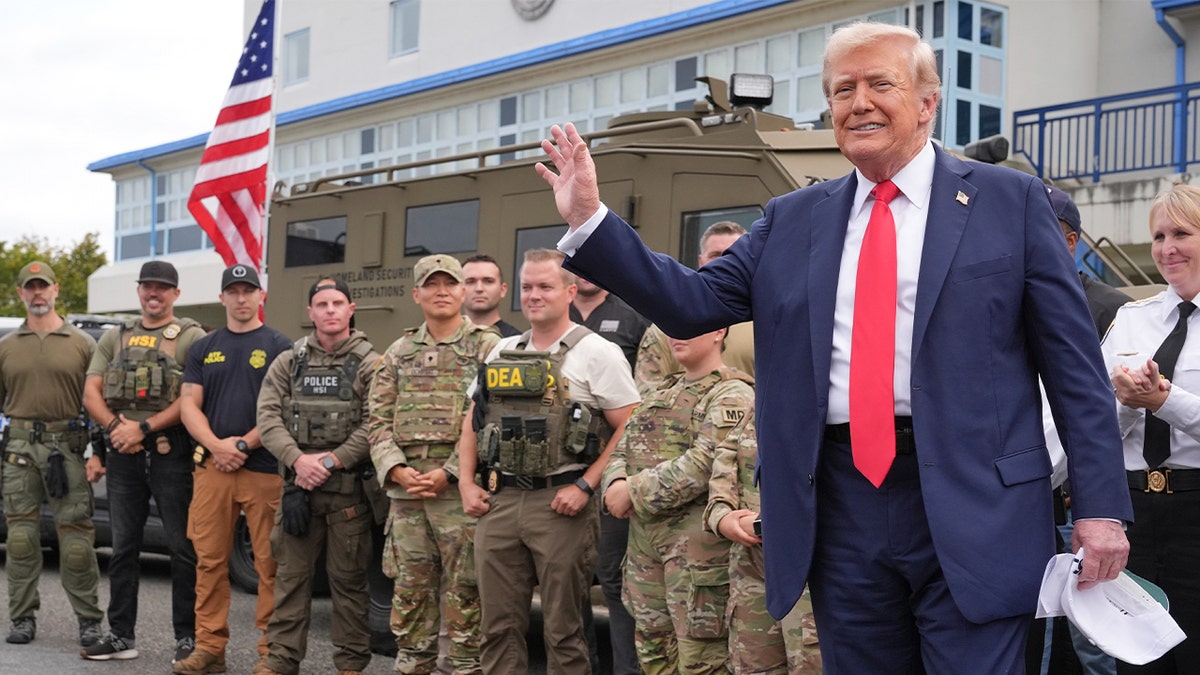
President Donald Trump speaks with law enforcement and National Guard troops August 21, 2025, in Washington, DC. (Jacquelyn Martin/AP Photo)
Ultimately, eight Senate Democrats broke with leaders to reach a bipartisan agreement to reopen the government, and six House Democrats followed suit, ending the shutdown without securing the subsidies their party demanded.
Trump says economy will ‘skyrocket’ after signing ‘big, beautiful bill’: ‘it’s going to be really great’
2. DOGE Days: Trump and Musk take on bureaucracy
President Donald Trump signed an executive order on Inauguration Day creating the Department of Government Efficiency (DOGE) with a mandate to reduce waste, fraud and abuse in the federal government.
Trump tapped Tesla CEO Elon Musk as a “special government employee” to lead spending cuts.
According to DOGE, the agency saved approximately $214 billion through asset sales, contract cancellations, improper payment collections, grant terminations, regulatory rollbacks and staff reductions.
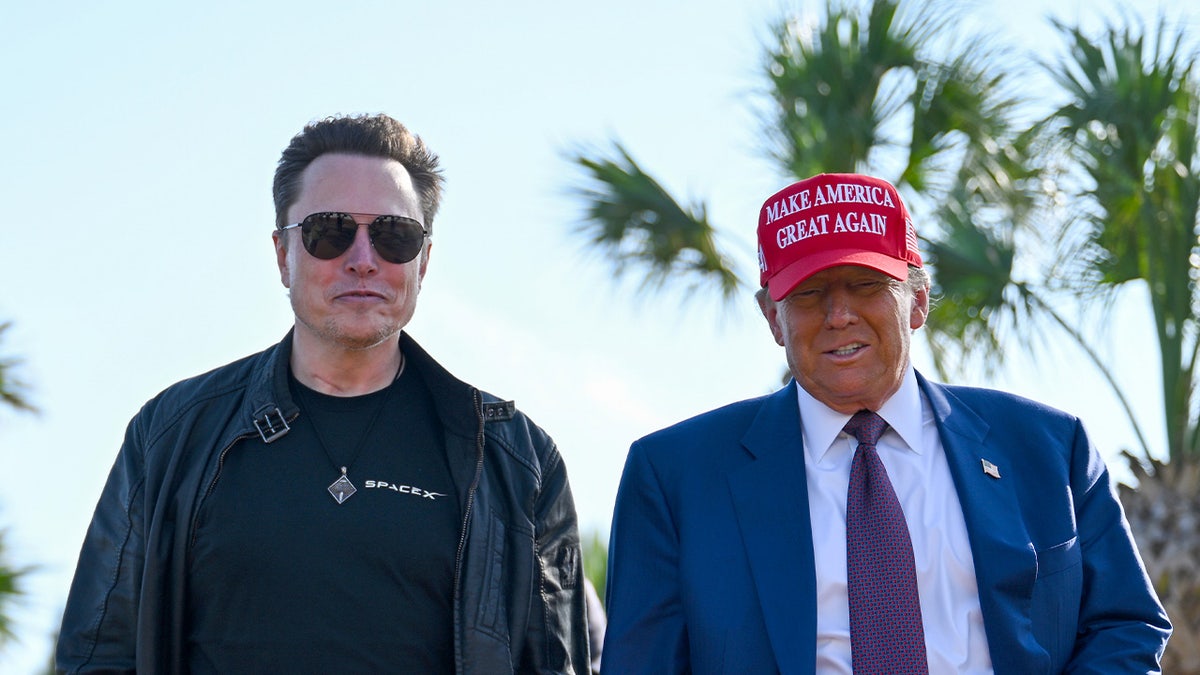
President Donald Trump said he likes Elon Musk “a lot” after the two clashed over the One Big Beautiful Bill earlier this year. (Brandon Bell/Getty Images)
As Musk cut spending, the agency overhauled federal operations, laying off tens of thousands of workers, cutting foreign aid programs including the United States Agency for International Development (USAID), and upending global health efforts such as the President’s Emergency Plan for AIDS Relief (PEPFAR).
3. No Kings Days: protests erupt across the country
The DOGE disruptions and Trump’s ambitious second-term agenda have sparked a wave of protest movements across the country.
In February, the 50501 Movement, a coalition of activists rejecting Trump’s “executive overreach,” organized nationwide “Not My President’s Day” or “No Kings Day” protests. From Austin to Orlando and Boston to Phoenix, crowds marched with handmade signs, chanting and chanting in protest. More than a thousand people gathered at the Capitol Reflecting Pool in Washington, DC on Presidential Day.
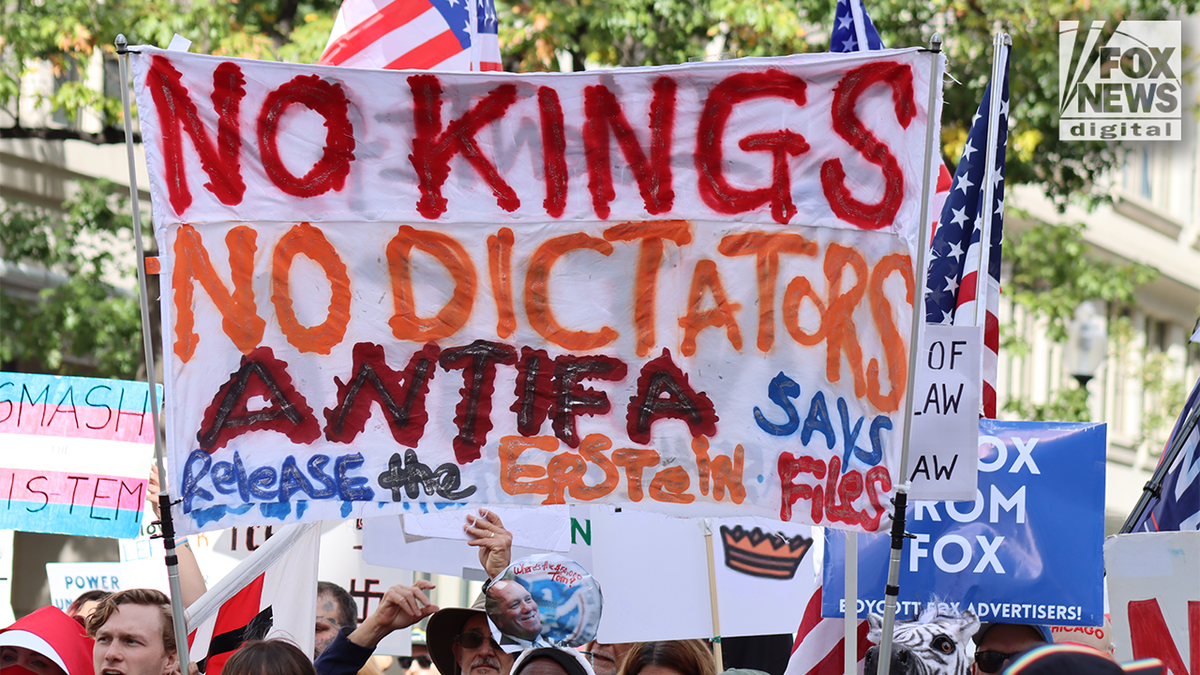
Protesters gathered in Washington, DC for the No Kings Day protest on October 18, 2025. (Fox News Digital/Emma Woodhead)
As Musk led efforts to cut government spending, some protesters targeted Tesla cars, dealerships and showrooms, while Attorney General Pam Bondi called the attacks “domestic terrorism.”
On October 18, millions of Americans joined in another “No Kings Day,” as the protest movement showed no signs of abating throughout Trump’s second term.
4. ICE unleashed: negative reactions to deportations
During the 2024 presidential campaign, Trump promised to carry out the largest mass deportation operation in American history.
U.S. Immigration and Customs Enforcement delivered on that commitment this year, launching an aggressive national effort to deport illegal immigrants.
As Republicans celebrated what they saw as a long-overdue restoration of security at the southern border, many Americans rejected the crackdown, protesting flawed deportations, due process problems and the rise of ICE.
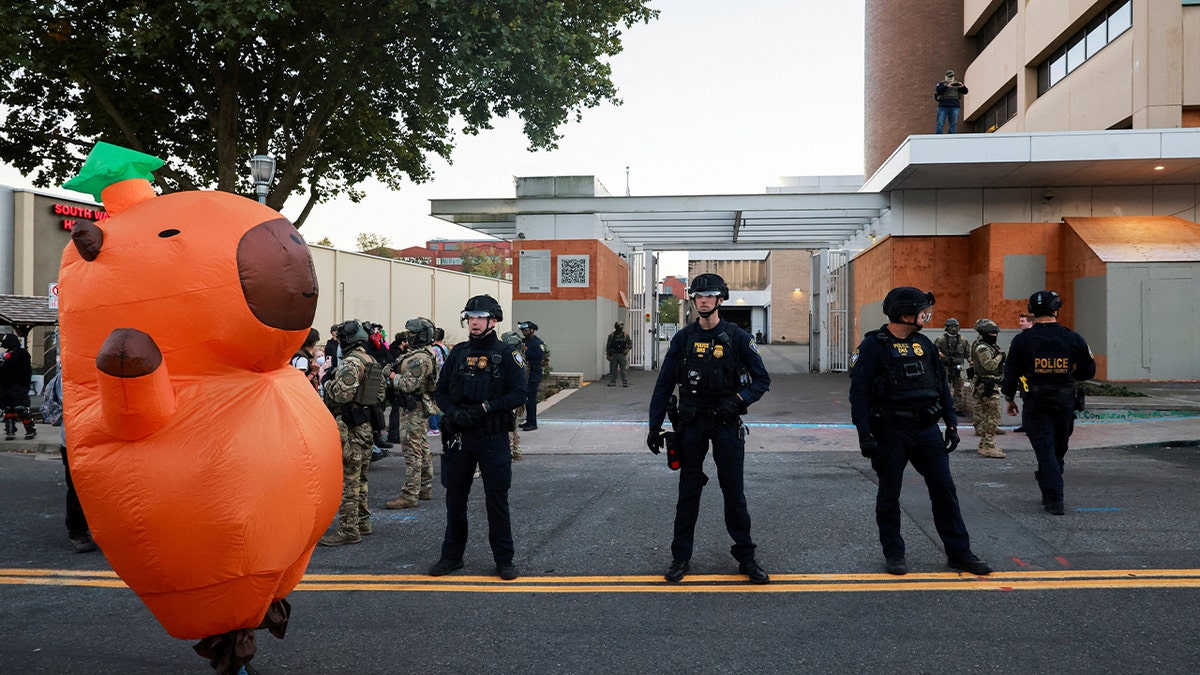
A protester wearing an inflatable cpybara costume stands in front of U.S. Immigration and Customs Enforcement (ICE) headquarters in Portland, Oregon, October 6, 2025. (Carlos Barria/Reuters)
Democratic lawmakers and local officials joined protests outside ICE processing centers and immigration courts, urging voters to know their legal rights.
Trump deployed the National Guard to Los Angeles as anti-ICE protests escalated into riots in June. It was the first time in more than 60 years that a president overrode a governor and federalized a state’s National Guard for a national law enforcement mission.
5. Troops in the streets: Trump’s crackdown on crime
After federalizing the National Guard in Los Angeles in June, Trump deployed troops to the nation’s capital in August as part of the nationwide fight against crime.
The White House later decided to deploy the Guard to other Democratic-led cities, including Chicago and Memphis, and attempted a similar deployment in Portland before the courts intervened.

National Guard troops are seen after two National Guardsmen were shot near the White House in Washington, DC, Wednesday, November 26, 2025. (Evan Vucci/AP Photo)
Democrats and progressive activists have denounced the strategy as dangerous federal overreach, arguing that importing troops into local jurisdictions would escalate tensions rather than calm them.
CLICK HERE TO DOWNLOAD THE FOX NEWS APP
Tensions reached a boiling point on November 26, when two National Guardsmen – U.S. Air Force Staff Sgt. Andrew Wolfe, 24, and Spc. Sarah Beckstrom, 20, was shot and killed just blocks from the White House. Beckstrom later died from his injuries. Federal authorities are investigating the attack as a potential act of terrorism.
“God bless our great National Guard, and all of our military and law enforcement personnel. They are truly great people. I, as President of the United States, and all those associated with the Office of the President, stand with you!” » Trump responded.


