Remembering what Windows 10 did right—and how it made modern Windows more annoying


Even the mandatory Microsoft account sign-in, one of the most frequently criticized aspects of Windows 11, was a Windows 10 innovation: it was easier to circumvent than it is today, and it only affected the Home edition of the software, but in retrospect it was clearly a step forward in the path that Windows 11 is currently on.
Windows 11, however, made things worse
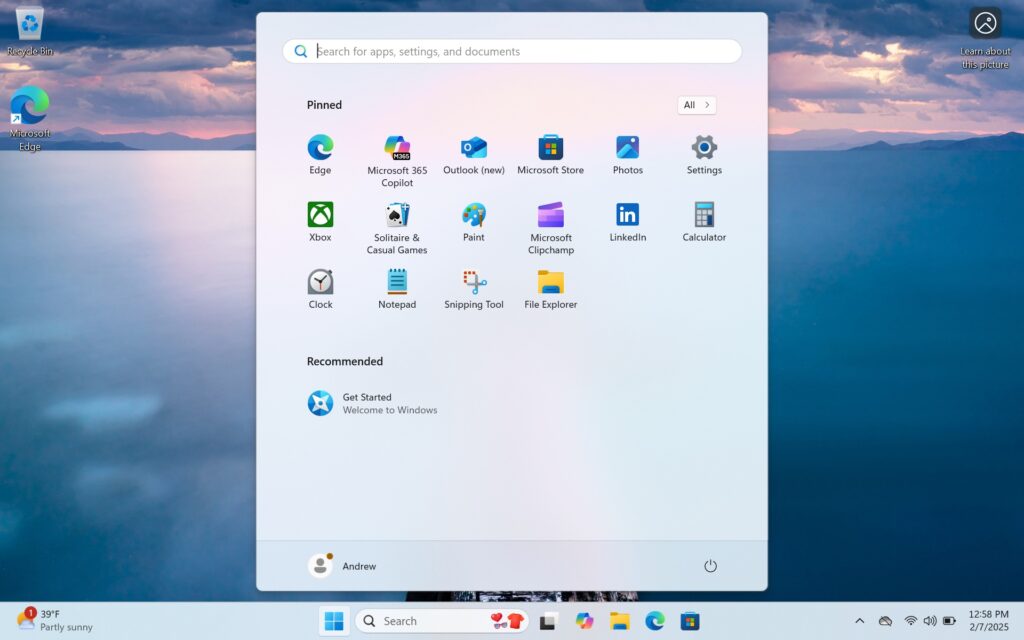
A desktop with an additional informative wallpaper icon, a Start menu full of apps you may or may not use, and a loaded taskbar will greet you the first time you log into Windows 11.
Andrew Cunningham
A desktop with an additional informative wallpaper icon, a Start menu full of apps you may or may not use, and a loaded taskbar will greet you the first time you log into Windows 11.
Andrew Cunningham
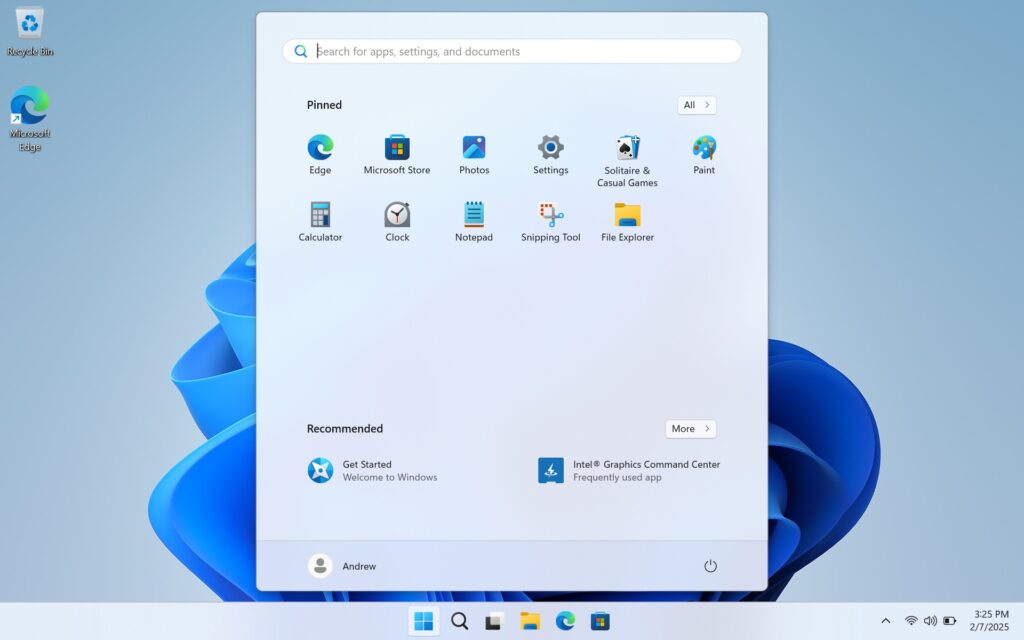
A cleaner desktop, taskbar, and Start menu, with many unnecessary items removed. With the exception of Edge, most Windows apps can be kept or removed depending on your preferences.
Andrew Cunningham
A cleaner desktop, taskbar, and Start menu, with many unnecessary items removed. With the exception of Edge, most Windows apps can be kept or removed depending on your preferences.
Andrew Cunningham
A desktop with an additional informative wallpaper icon, a Start menu full of apps you may or may not use, and a loaded taskbar will greet you the first time you log into Windows 11.
Andrew Cunningham
A cleaner desktop, taskbar, and Start menu, with many unnecessary items removed. With the exception of Edge, most Windows apps can be kept or removed depending on your preferences.
Andrew Cunningham
But many inconveniences of Windows 11 are new ones. And the big problem is that these annoyances added to the annoying things that Windows 10 already did, gradually accumulating to take the process of setting up the new PC from “mildly” to “extremely” irritating.
The Microsoft account sign-in requirement is ground zero for much of this, as signing in with an account unlocks a litany of additional ads for Microsoft 365, Game Pass, and other services that you may or may not need or want. Connecting to the Internet and logging in became a requirement for new installations of the Home and Pro versions of Windows 11 starting with version 22H2, and while workarounds existed then and continue to exist now, you need to know about them beforehand or look them up yourself – the operating system doesn’t give you the option to override them. Microsoft also appears to want to close some of these flaws in future updates, which will make getting around them even more difficult.
And if going through those screens when setting up a new PC wasn’t annoying enough, Windows 11 will regularly remind you of other Microsoft services Again via its Second Chance Out-Of-Box Experience, or SCOOBE, screen. This “feature” enabled by default offered to help me “finish setup” of years-old Windows 11 installations and enough carefully put in place. It can be disabled via a checkbox buried in the notifications settings, but removing it or making it simple to permanently remove it from the SCOOBE screen itself would be the most user-friendly change, especially since Microsoft already bombards users with “helpful reminders” about many of these same services via system notifications.


