Ruby the turtle needs a new greenhouse. Dance companies are stepping up.


Ruby the Burmese roofed turtle (Batagur trivittata) may not fight crime like the Teenage Mutant Ninja Turtlesbut this very real turtle is starting to leave its own mark on the culture. This endangered reptile, living in a top-secret turtle sanctuary in New Jersey, is inspiring professional dance companies to incorporate conservation into their work.
Burmese covered tortoises are among the rarest turtle species on Earth and almost became extinct in the early 2000s. Five females and three males were found and placed together to form the first captive insurance colonies for the species. Insurance colonies keep animals in danger of extinction in zoos, aquariums, or semi-wild conditions so that they can one day breed. Ruby is one of those reptiles that the Turtle Conservancy is working hard to keep alive.
[ Related: Trafficked turtles get a second chance at life in New Jersey sanctuary. ]
But conservation costs money. Ruby is the centerpiece of The Ruby Initiative, a photo exhibition presented in the lobby of New York Live Arts before a Dancing for our wonderful world. Presented by vildwerk., a nonprofit organization dedicated to raising environmental funds and awareness through dance, the upcoming show features eight newly choreographed dance pieces that merge the arts with a call to environmental action.
“Everyone who supports vildwerk. must be in some way an animal and a ballet lover, or a climate change activist. It kind of goes hand in hand,” vildwerk. Chiara Gorodesky, founder and volunteer of Turtle Conservancy, shares Popular science. “It’s a very specific crowd, but it’s a big crowd.”
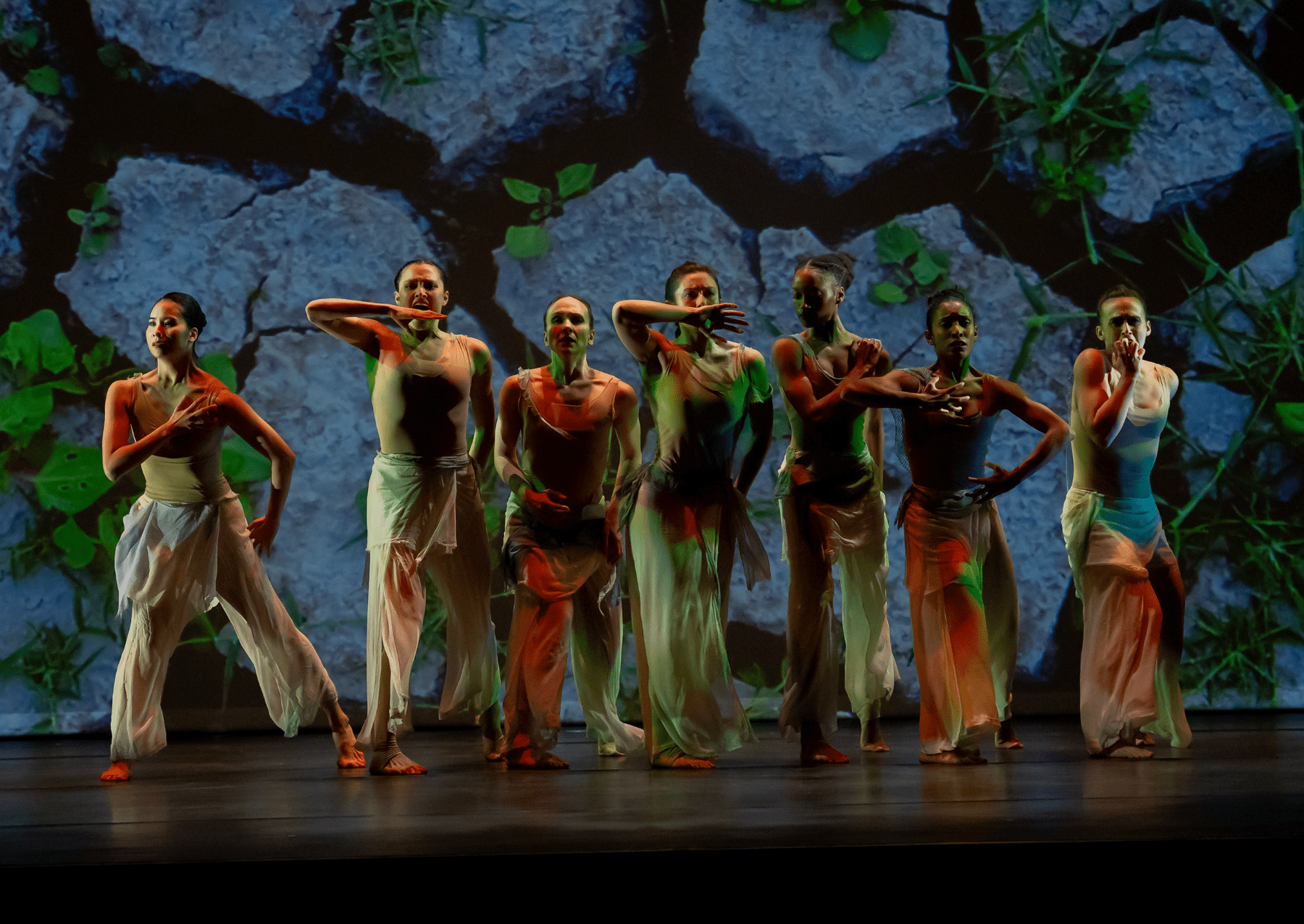
The organization includes dancers from major dance companies, including New York City Ballet, American Ballet Theater, Alvin Ailey and the Martha Graham Dance Company, to educate and raise critical funds for animal conservation organizations, including the World Wildlife Foundation and Turtle Conservancy.
“During the creative process, environmentalists and conservationists talk to the artists, so they are really informed about what’s happening in their programs and on the ground,” Gorodesky says. “In theater, I would like audiences to be inspired by beautiful dance works, but then be able to take action from there.”
Gorodesky, who grew up around turtles and has volunteered with the Turtle Conservancy for several years, bonded with Ruby when she started helping him clean his tank.
“Some of these confiscated animals come and go, they are then placed in other parts of the world,” she explains. “But Ruby is kind of a constant.”
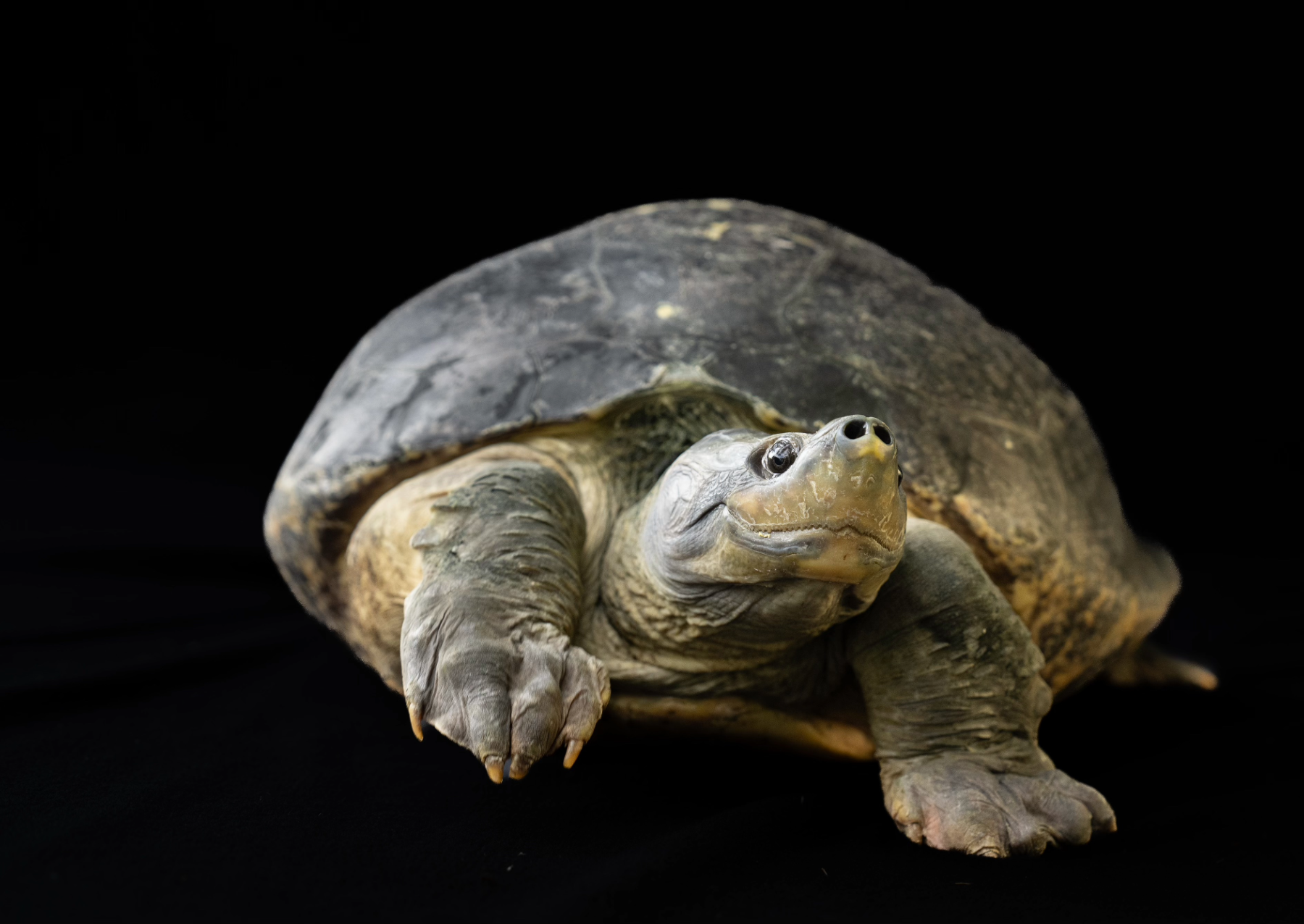
The Turtle Conservancy is currently using the arts to help raise $250,000 to build a new greenhouse for Ruby and the other turtles living in the rural New Jersey sanctuary. Ruby lives alongside critically endangered Burmese narrow-headed softshell turtles (Chitra vandijki)Indian spotted turtles (Geoclemys hamiltoni) and the Mata Mata turtles (Chelus fimbriata) from Amazonia. Many of the turtles here were rescued from the illegal wildlife trade, while Ruby came from a deceased veterinarian and taxonomist, leaving her in the reserve’s care. A larger space will give them more room to maneuver and potentially room to breed.
“My back porch is kind of a temporary place. It’s messy and it’s cramped, but it’s what I have for now,” said Maurice Rodrigues, co-founder of the Turtle Conservancy. Popular science. “I’m excited to work with Chiara’s team to raise funds to build the greenhouse. We will provide these animals with more spacious enclosures and a more naturalistic setting.”

According to Gorodesky, the team raised $65,000 and already has the greenhouse structure. However, they still need to fund an “extremely sophisticated pumping system” which will ensure the temperature is ideal for the animals to thrive. Along with amphibians, turtles are among the most threatened groups of vertebrates due to continued pressures from habitat loss and climate change. These constant threats help fuel the team that cares for Ruby and her compatriots, preserves their precious DNA, and keeps the species alive.
Although dancing might not seem like the most natural way to celebrate their plight, these reptiles and the way we move have something crucial in common.
“Dancing and turtles have been around since the beginning of humanity. Movement, dance, cave drawings, music, all those things that fill the soul are essential things,” Gorodesky says. “Turtles have always existed. For millions of years, they have remained virtually unchanged. They look like fairytale animals.”
Fairytale animals that are in real danger, but can still be saved.

PopSci Outdoor Gift Guide 2025


