Linux kernel maintainers are following through on removing Intel 486 support


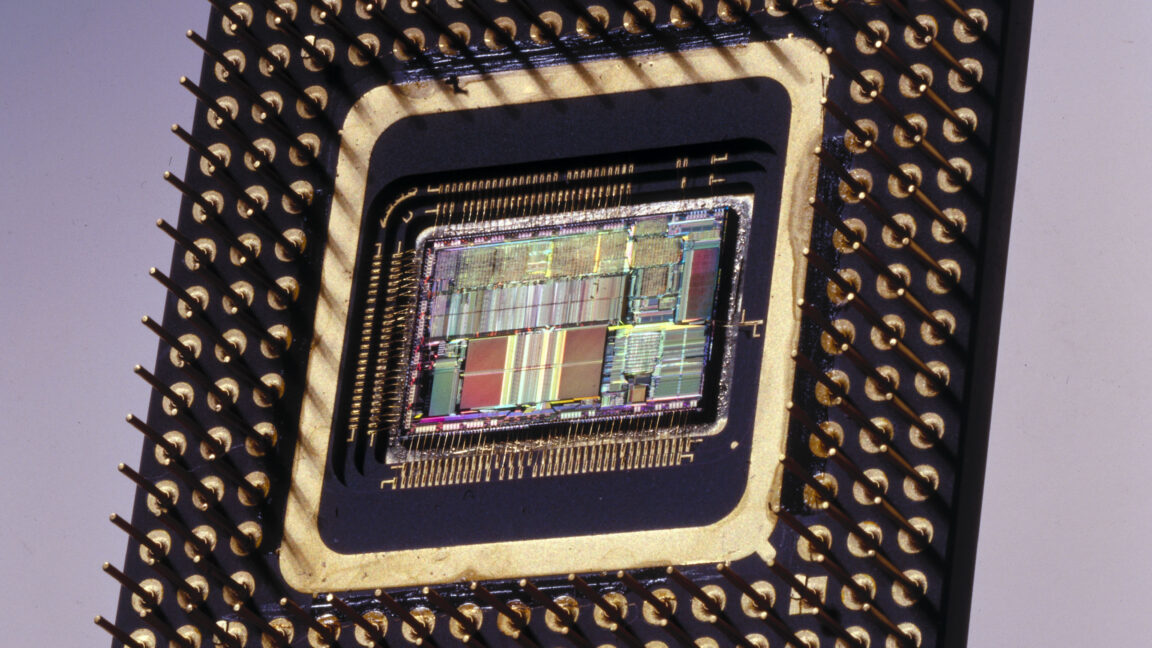
“Unfortunately, there is a nostalgic cost: your old stock 386 DX33 system from early 1991 will no longer be able to boot modern Linux kernels,” Molnar wrote. “Sniff.”
A tree falling in a forest
The practical impact of the end of 486 support will be negligible; The number of modern Linux distributions that use kernel 486 support is negligible.
Many consumer Linux distributions have minimum system requirements similar to Windows, a recognition of how modern web browsers and browser-based applications have become CPU and RAM intensive; Ubuntu increased its minimum RAM requirements from 4 GB to 6 GB for version 26.04 LTS. Even lightweight distros like Xubuntu or AntiX recommend 512MB to 1GB of RAM, amounts far higher than any 486-based PC has ever shipped (or could reasonably run on real hardware).
One of the few actively maintained distributions that explicitly mentions support for 486 is Tiny Core Linux (and its no-GUI counterpart, Micro Core Linux). These operating systems can run on a 486DX chip as long as it is paired with at least 48 MB or 28 MB of RAM, respectively, although a Pentium 2 with at least 128 MB of RAM is the recommended configuration. But even on the Tiny Core forums, few users are mourning the loss of 486 support.
“I feel nostalgia, like classic cars, but a car you spent a year’s worth of weekends fixing isn’t a daily driver,” writes user andyj. “Some of the extensions I maintain, like rsyslog And mariadbrequire the CPU to be set to i586 as they will no longer compile for i486. The end is already here.
Those who are still using a 486 for one reason or another will still be able to run older Linux kernels and older operating systems. Running old software without emulation or virtualization is one of the few reasons to continue booting such old hardware. If you demand an actively maintained operating system, you still have options: The FreeDOS project isn’t Linux, but it still runs on PCs dating back to the original IBM personal computer and its 16-bit Intel 8088.


