Are Plastics Poisoning Us? | The Nation


Environment
/
March 26, 2026
A Netflix documentary exposes the harmful health effects of plastic, but misses its link to the climate.
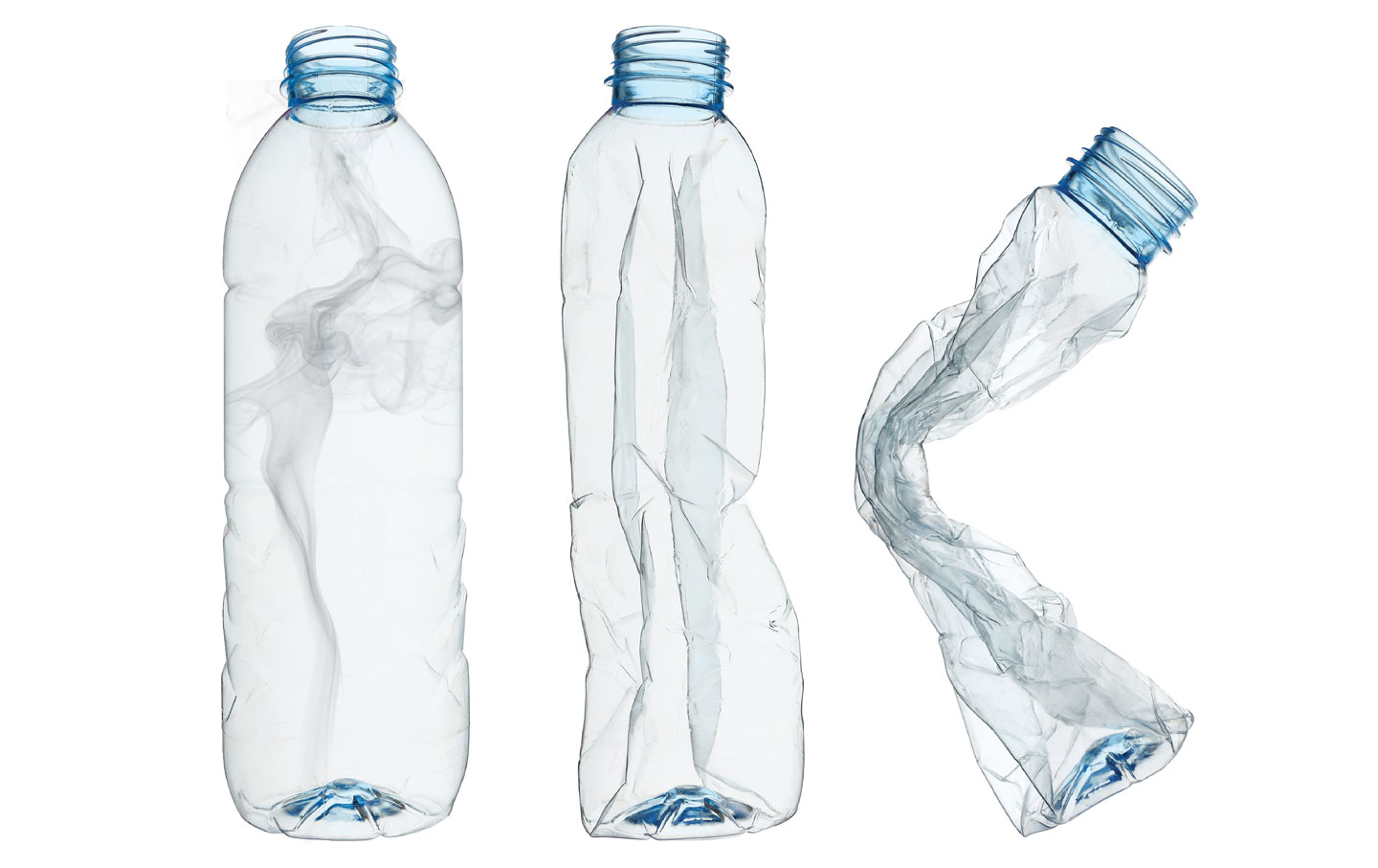
“Plastics are everywhere in modern life,” Covering Climate Now wrote in a “Climate Beat” column in February 2024. “And because plastics are forever, the world’s seas are now littered with enormous gyres of plastic waste — billions of tons of used food containers, water bottles, fishing gear and other items that fragment into microplastics, “wreaking havoc on marine ecosystems,” NOAA warns, and increasingly on human health.
Now, a new Netflix documentary dramatizes these health effects, especially for people trying to get pregnant. The plastic detox follows six American couples struggling with low sperm counts and other obstacles to conceiving a child. Their advice is Dr. Shanna Swan, an epidemiologist at the Icahn School of Medicine in New York, whose research demonstrates how endocrine-disrupting chemicals gave baby boys “a somewhat smaller penis” and, later in life, lower sperm counts. His work has been featured on 60 minutes and elsewhere.
Swan helps couples limit their exposure to plastics by having them buy non-synthetic clothing (textiles, she says, are the largest source of microplastics in the environment), ditching cleaning and personal care products sold in plastic containers, and more. Such detoxification improves sperm counts and other pregnancy-related variables, and some couples become parents, although Swan is careful to acknowledge that this was “not an uncitation scientific study” because it lacked a control group and a robust sample size.
While the world now produces twice as much plastic as in the 1990s, The plastic detox also highlights a related problem: the industry’s long-standing lie that recycling is a viable solution to the plastic waste problem. Just as Exxon scientists privately told management in the 1970s that continuing to burn fossil fuels could end civilization as we know it, plastic company scientists have been telling them for decades that recycling is not a real solution. According to the terms of an internal document described in The plastic detox and cited by the California Department of Justice in its ongoing lawsuit against ExxonMobil, “large-scale recyclability is not financially viable.”
Strangely, what The plastic detox What we should not do is make a climate connection with plastics. The closest the documentary comes is pointing out that almost all plastics used today are made from petroleum. Indeed, the plastics industry and the fossil fuel industry are in many ways the same business, and both sides want to keep their production levels rising. As the February 2024 “Climate Beat” column noted, “the oil industry sees plastics as a lifeline in the face of growing global efforts to move away from fossil fuels in the name of climate survival.” BP, for example, predicts that plastics will account for 95% of new oil demand over the coming decades. Cover the climate now.
The omnipresence of plastics in our modern lives amounts to conducting a massive experiment on today’s children and their children without their consent, says Philip Landrigan, pediatrician and epidemiologist, in The plastic detox. Landrigan is referring to the threat that endocrine disruptors pose to the reproductive capacity of humans. But his argument also applies to the ubiquity of fossil fuels, which still account for 80 percent of humanity’s total energy consumption. Robust journalism can help the public and policymakers understand that plastics and fossil fuels are two sides of the same coin, a coin that science increasingly tells us should be left aside.
Even before February 28, the reasons for Donald Trump’s imploding popularity couldn’t have been clearer: rampant corruption and billions of dollars’ worth of personal enrichment during an affordability crisis, a foreign policy guided solely by his own abandoned sense of morality, and the deployment of a murderous campaign of occupation, detention, and deportation on American streets.
Today, an undeclared, unauthorized, unpopular and unconstitutional war of aggression against Iran has spread like wildfire across the region and Europe. A new “forever war” – with an ever-increasing likelihood of US troops on the ground – could very well be upon us.
As we have seen time and time again, this administration uses lies, misdirection, and attempts to flood the zone to justify its abuses of power at home and abroad. Just as Trump, Marco Rubio, and Pete Hegseth offer erratic and contradictory justifications for attacks on Iran, the administration is also spreading the lie that the upcoming midterm elections are threatened by non-citizens registered to vote. When these lies go unchecked, they become the basis for further authoritarian encroachment and war.
In these dark times, independent journalism is the only one that can uncover the lies that threaten our republic – and civilians around the world – and shine a light on the truth.
The nation‘s experienced team of writers, editors and fact-checkers understand the scale of what we face and the urgency with which we must act. That’s why we publish critical reporting and analysis on the war with Iran, ICE violence at home, new forms of voter suppression emerging in the courts, and much more.
But this journalism is only possible with your support.
This month of March, The nation must raise $50,000 to ensure we have the resources to produce reports and analysis that set the record straight and empower people of conscience to organize. Will you donate today?


