Saudi Arabia expelling Iran’s military attaché brings Riyadh-Tehran normalization into question

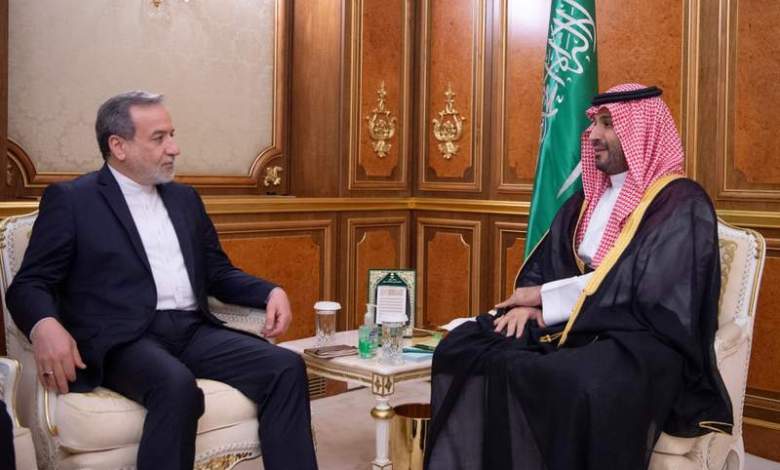
The decision, announced by the Saudi Foreign Ministry, follows a similar decision by Qatar, which also declared the Iranian embassy’s security and military attaché persona non grata on Wednesday.
Riyadh’s decision to expel Iranian officials from the country, after hundreds of attacks were launched by the Islamic regime on Saudi soil, calls into question the future of the 2023 normalization deal negotiated by Beijing, a regional expert said. The Jerusalem Post on Sunday.
Saudi Arabia expelled Iran’s military attaché, his aide and three embassy staff on Sunday, 24 hours after they were declared persona non grata due to the Islamic regime’s continued attacks on the country.
The decision, announced by the Saudi Foreign Ministry, follows a similar decision by Qatar, which also declared the Iranian embassy’s security and military attaché persona non grata on Wednesday.
Saudi Arabia and Iran restored diplomatic ties in 2023 as part of an effort to ease regional tensions after the two countries severed ties in 2016, when the execution of a Shiite Muslim cleric led to the storming of Riyadh’s embassy in Tehran. Relations deteriorated between the two countries after several drone attacks on Saudi oil installations in 2019, although Tehran denied responsibility.
Dr. Najah Al-Otaibi, a Saudi researcher and analyst specializing in international relations and the Gulf region, told Job that the recent escalation has “effectively ended the 2023 normalization agreement between Saudi Arabia and Iran negotiated by Beijing”.

Smoke rises above Riyadh, Saudi Arabia, March 5, 2026. (credit: REUTERS/STRINGER/FILE PHOTO)
The Saudi Foreign Ministry said continued Iranian attacks would lead to further escalation and have “significant consequences” for current and future relations, following a statement on Wednesday by the Saudi foreign minister warning that the kingdom reserved the right to act militarily against Iran – and that all trust with Tehran had been broken following the recent attacks.
“A frustrating setback”
“This is a frustrating setback for those who thought diplomacy could finally resolve these long-standing disputes,” Al-Otaibi said. “In response, Saudi Arabia and its GCC (Gulf Cooperative Council) partners appear to be unifying their military strategies, a positive step toward strengthening their collective self-defense and stability, given current tensions. »
Saudi Arabia and Iran announced their renewed commitment to the deal in December, just weeks before U.S. and Israeli strikes on Iran marked the start of a new war between the Jewish state and the Islamic regime.
A statement issued by China’s Foreign Ministry, which at the time condemned “Israel’s violation of Iran’s national sovereignty and territorial integrity,” said the three countries looked forward to “expanding cooperation in economic, political and other fields, and stressed the importance of dialogue among regional countries aimed at consolidating security, stability, peace and economic prosperity.”
Reuters contributed to this report.


:max_bytes(150000):strip_icc()/Health-GettyImages-2204730640-05e96991e7ec4e44a99c0851f702322d.jpg?w=390&resize=390,220&ssl=1 "5 Benefits of Yellow Dragon Fruit, Plus Nutrition and Risks")