Trump Admin Touts Cane Sugar Coke as MAHA Win: Live Updates


🎙️ The voice is generated by AI. Inconsistencies can occur.
Coca-Cola announced that it would start to distribute a version of its signature carbonated drink, made with cane sugar, in the United States, arousing a debate on health benefits and potential political influence. This decision comes after President Donald Trump and the Secretary of Health and Human Services, Robert F. Kennedy Jr.
What to know:
- Coca-Cola will offer an elegant cane sugar version next to its current formula, which contains corn syrup with high fructose content.
- President Trump and secretary Kennedy claim credit for the quarter of work, binding it to their Maha campaign.
- Health experts say cane sugar and corn syrup have almost identical metabolic effects and have similar health risks.
- Critics argue that the change is only political theater, distracting wider public declines of public health, including cups in food security and pollution protection.
Stay with Nowsweek For the latest updates.
HHS to reform the organ transplant system in the midst of rushed surgery reports
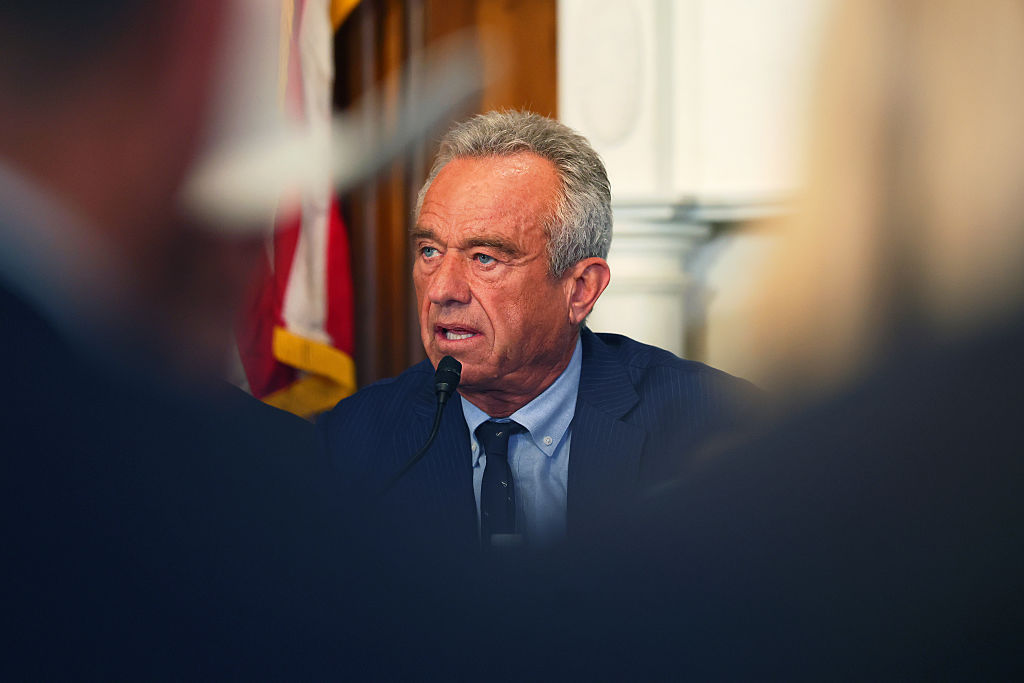
The Secretary of Health and Social Services, Robert F. Kennedy Jr., speaks during a round table on soil health at the American Capitol on July 15, 2025, in Washington, DC.
Michael M. Santiago / Getty Images
In the United States, the organ transplant system obtained a major overhaul, health officials announced on Monday.
The Ministry of Health and Social Services promised to reform the country’s organ transplant procedures following a Health Resources and Services Administration survey which found worrying practices, including the purchasing cases of donor organs that were still alive.
“Our results show that hospitals have enabled the organ supply process to start when patients showed signs of life, and it’s horrible,” said HHS secretary Robert F. Kennedy Jr., in a statement. “Organ supply organizations that coordinate access to transplants will be held responsible. The entire system must be fixed to ensure that the life of each potential donor is treated with the sacred nature it deserves.”
Read the complete story of Joshua Rhett Miller on Newsweek.


