Scientists invent new sunscreen made from pollen


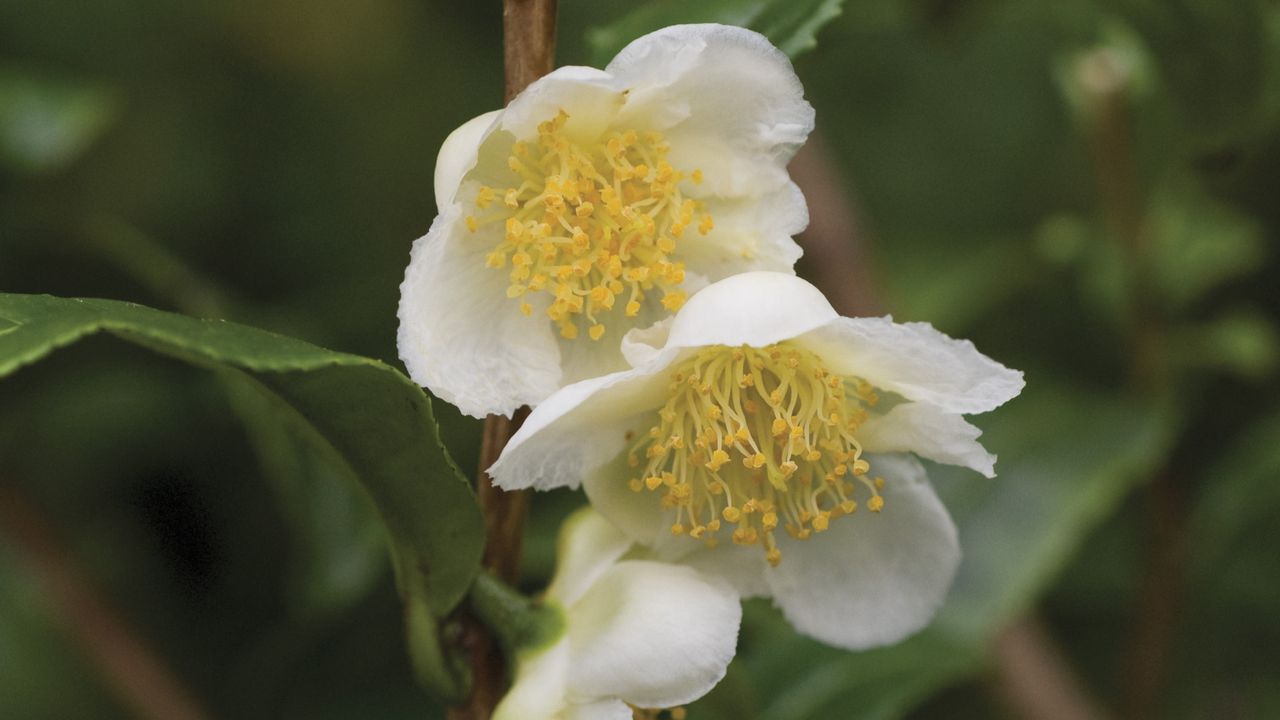
The sunscreen made from pollen could protect beach lovers from sunburn while minimizing damage to coral reefs, according to a new study.
Researchers discovered that a gel made from camellia flower pollen (Camellia sinensis)) Blocked ultraviolet (UV) light as well as existing trade screens, such as those made with oxybenzone or octinoxate. But unlike these conventional options, Pollen -based gel has not caused coral whitening in a laboratory experience. Coraux whitening is the process by which corals expel symbiotic algae living in them, leaving corals more vulnerable to environmental stress.
Researchers believe that between 4,000 And 14,000 Tons (3,600 to 12,700 metric tonnes) of filter compounds from UV from chemical skulls enter the ocean each year, culminating during tourist seasons. These compounds, which include oxybenzone, octocrylate and octinoxate, among others, accumulate in the environment and have been linked to the whitening of corals. It is believed that mineral solar screens such as zinc oxide and titanium oxide affect aquatic animals less, but scientists always study these effects.
“We wanted to develop an affordable and effective natural sunscreen which is not allergen for humans and environmentally friendly”, co-author of the study Cho Nam-JoonA scientist of materials at the Nanyang Technological University Singapore, said in a statement.
In the recent study, published on September 4 in the journal Advanced functional materialsCho and his colleagues sought to do so with plant pollen in the tea family. “We know that pollen is naturally resistant to UV, because its shell must protect its inner content from difficult environmental conditions, including sunlight,” Cho in the press release. Because camellia flowers are self-popular, their pollen is generally considered non-allergen.
In relation: How does sunscreen work?
The team has prepared water -based gels made from pollen extracted from camellia flowers and sunflowers (Helianthus Annius). Then, they tested to what extent these gels blocked UV light – including UVA and UVB, UV light wavelengths, produced by the sun and tanning beds, which damage the skin.
The two gels absorbed the UV rays, noted the team, but the camellia gel absorbed more UVB rays – shorter wavelers mainly responsible for causing sunburn and skin cancers – than sunflower gel. When they were tested on mice, the two gels prevented skin damage when the mice were exposed to UV light for a few minutes a day. Mouses that did not receive sunscreen had thinner skin after the same UV exposure.
The solar screen of Camélia pollen had a solar protective factor (SPF) of around 30, and the SPF of sunflower sunscreen was approximately 5 years. When applied to a person’s forearm, Camellia pollen has even kept the skin of this person’s skin at 9 degrees by an applied chemical screen.
Scientists also examined how these solar screens could affect corals. They added samples of a commercial chemical sunscreen and camellia and sunflower gels to salted water tanks containing durum coral called Acropora. The coral exposed to a regular sunscreen began to whiten after two days and was completely white after two weeks. But the corals exposed to pollen solar screens did not appear even after two months.
“What they take are first steps, but these are the first really important steps,” said Downs. Some of the next steps may consist in evaluating whether pollen sunscreen is toxic to other wild animals in natural environments, then clear safety tests in humans, Downs said. But if these tests succeed, “in five to eight years, it could be a commercial product”.
This article is for information purposes only and is not supposed to offer advice on medical care or skin.


