
NEWYou can now listen to Fox News articles!
A Democratic city council member who once welcomed the “change” from socialist Seattle Mayor Katie Wilson is now admitting he is “gravely concerned” about the business exodus affecting the major American city.
This comes as blue states like Washington and New York face a business exodus in favor of more market-friendly red states. Starbucks, a major player in Seattle’s business scene, recently announced a major expansion into Nashville while simultaneously cutting Seattle-based corporate jobs, a move that has intensified concerns about Seattle’s business climate and economic competitiveness.
Wilson, a self-proclaimed socialist, recently went viral for laughing off the exodus of billionaires and business leaders from her city, saying, “I think the claims that millionaires are going to leave our state are super overblown,” and adding, “the ones that leave? Like, bye.”
Now, less than five months into Wilson’s term, Seattle Democratic Councilmember Rob Saka admitted to the New York Times, “I am gravely concerned,” telling the outlet, “This is real.”
BISHOP BARRON SLAMS ‘BORDERLINE COMMUNISTS’ SANDERS, MAMDANI AHEAD OF TRUMP PRAYER EVENT: ‘ECONOMY THAT KILLS’
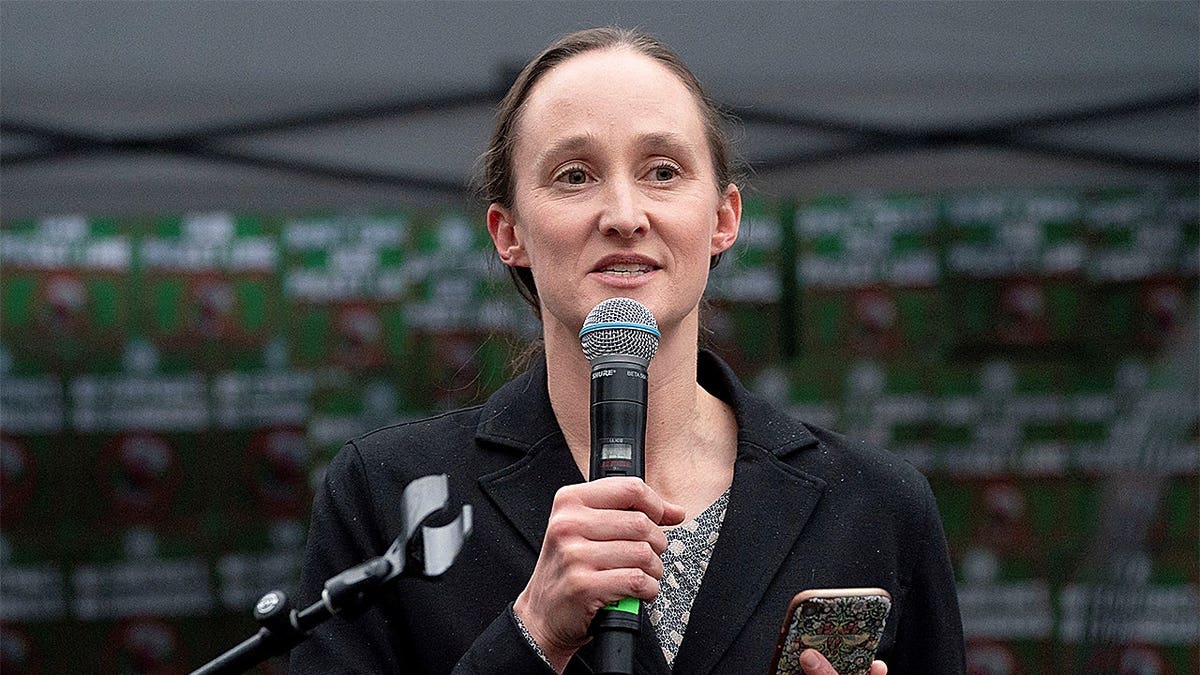
Seattle Mayor Katie Wilson declared last year at a barista picket line, “I am not buying Starbucks, and you should not either.’” (David Ryder/Reuters)
Saka previously welcomed Wilson after she defeated incumbent Bruce Harrell, saying in a statement, “The voters have spoken, calling for change and a renewed focus on affordability, community, and fighting back against a resurgent Trump agenda.”
He praised the “energy she brings to leadership,” and said he was “look[ing] forward to partnering with her to build a thriving, inclusive Seattle that uplifts working families, expands universal preschool for all, ends food deserts, and creates safer, more connected neighborhoods across our city.”
Starbucks recently announced it will shift 2,000 corporate jobs, primarily in IT and supply chain management, to a new regional headquarters in Nashville. Last week, KOMO News reported Starbucks laid off an additional 61 employees as part of a reorganization of its technology department at its corporate headquarters.
State leaders in Washington have also faced criticism for recently passing the “millionaires tax,” which Democratic Gov. Bob Ferguson signed on March 30. The measure has been described as the state’s first-ever income tax, backed by progressives and socialists and opposed by conservatives.
The new tax will impose a 9.9% income tax on households earning more than $1 million each year.
WHY STARBUCKS PICKED NASHVILLE OVER SEATTLE FOR EXPANSION, ACCORDING TO LOCAL BUSINESS REPORTER
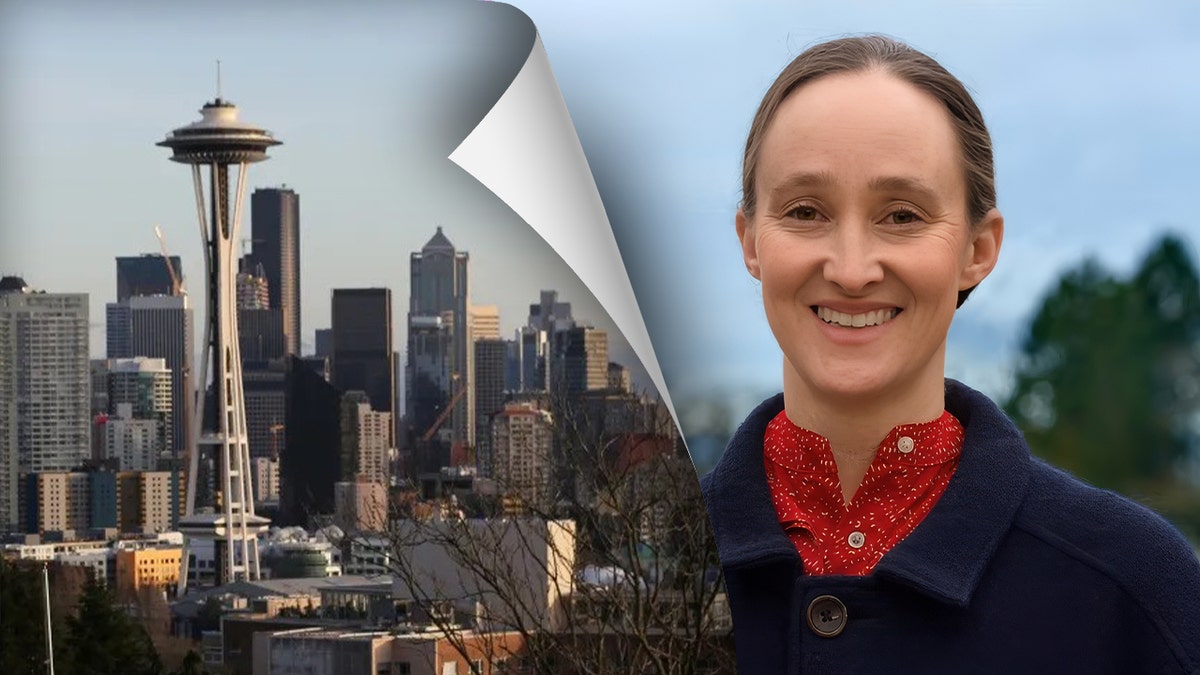
Seattle Mayor Katie Wilson said the Seattle Police Department will be required to investigate, verify, and document any reports of immigration enforcement activity. (Katie Wilson for Seattle)
Starbucks is not the only business impacted by the state’s economic policies. The Columbia Tower Club, an iconic business club atop Seattle’s tallest skyscraper, closed last month after more than four decades. Long considered a hub for executives, developers and civic leaders, the club cited declining office traffic and downtown business activity tied to remote work and high vacancy rates. Critics quickly pointed to the closure as another sign of weakening business confidence in Seattle.
On Monday, the Washington State Republican Party ripped into both Wilson and the city council, posting on X, “Marxist @MayorofSeattle Katie Wilson is more concerned about toilet ribbon-cutting photo opps than massive capital flight in downtown #Seattle all the while @SeattleCouncil stands idle as a once iconic city crumbles.”
The jab refers to a recent Wilson event promoting new downtown public restrooms, which critics mocked amid concerns about Seattle’s economy and business climate.
Though Wilson’s now-infamous “like, bye” line drew laughs and applause from her audience, it immediately sparked backlash on social media from conservatives criticizing her economic policy.
“Seattle’s Socialist Mayor responds to exodus of wealth from Washington State by saying ‘BYE’… then laughing. We’re doomed,” wrote Brandi Kruse.
SOCIALIST MAYOR’S BLUNT 1-WORD MESSAGE TO FLEEING MILLIONAIRES SPARKS OUTRAGE: ‘WE’RE DOOMED’

The Space Needle stands over the Seattle skyline with Mt. Rainier visible in the background in Seattle, Wash., on March 13, 2022. The observation tower was built in 1962 for the World’s Fair and remains a popular tourist attraction despite recent challenges with homelessness and crime in the city. (John Moore/Getty Images)
CLICK HERE TO DOWNLOAD THE FOX NEWS APP
“This clip will live in infamy,” the Washington State Republican Party posted on X. “@MayorofSeattle Katie Wilson is not only unfit to be mayor, she lacks grace and gratitude. Perhaps, she’s the one who should leave #Seattle.”
Fox News Digital reached out to Saka and Wilson for additional comment.
Fox News Digital’s Rachel del Guidice, Joshua Q. Nelson and Andrew Mark Miller contributed to this report.


