U.S. deportees sent to Congo face conflict, uncertainty and fear : NPR

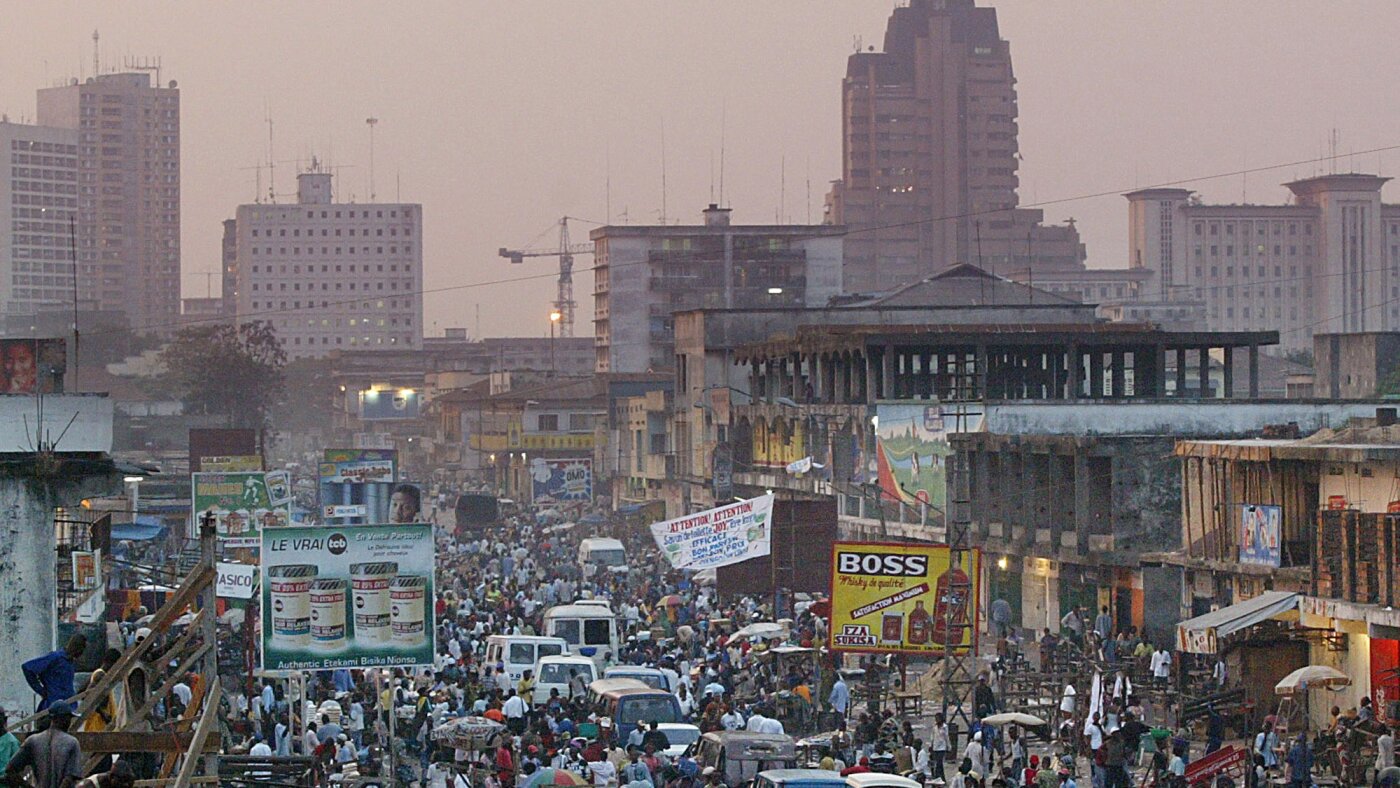
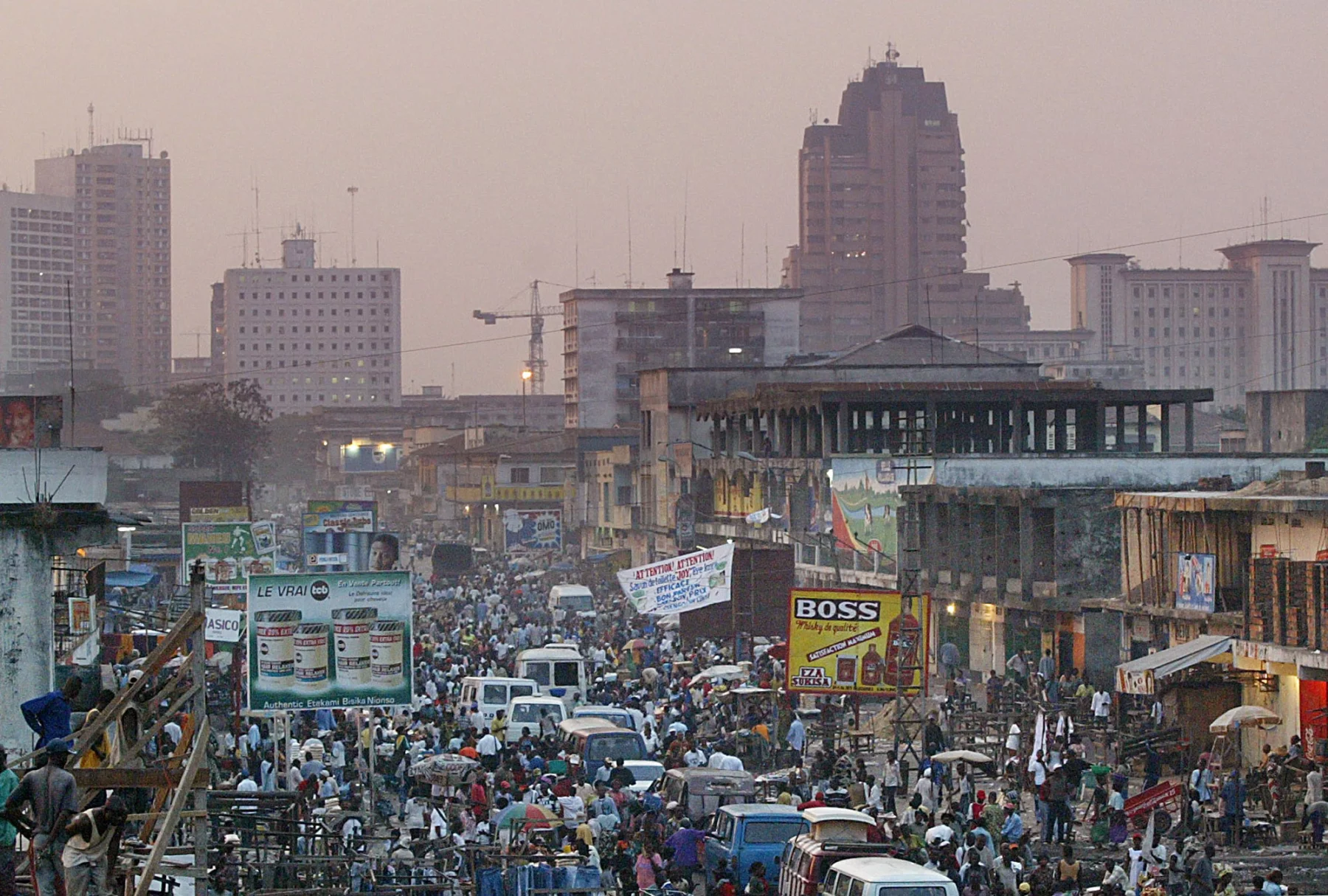
A view of Kinshasa, the capital of the Democratic Republic of Congo, a sprawling urban giant where more than 15 million people live.
Schalk Van Zuydam/AP
hide caption
toggle caption
Schalk Van Zuydam/AP
KINSHASA, Democratic Republic of Congo—None of them imagined they would end up in Kinshasa. On April 17, the U.S. government deported 15 people to the capital of the Democratic Republic of Congo, a deeply poor African country scarred by years of conflict.
The group, made up of men and women from Colombia, Ecuador and Peru, are the first to arrive under a secret migration deal negotiated with the Trump administration.
“They took us, they put us on a plane and they chained us by our hands and feet,” said a Colombian man sitting on a plastic chair in a dingy hotel near Kinshasa airport. The deportees did not know their final destination until they were on the plane, he added.
NPR interviewed five of the Latino deportees. We are not naming them because they say doing so could expose them to potential threats in their home countries.
All said they would be in danger if they returned, but wanted to do so because Congo is dangerous and poor.
Several also reported being deported despite ongoing legal proceedings regarding their right to remain in the United States.
While deportees receive regular meals, water can run out for days in the hotel and rodents scurry into their rooms. Mosquitoes are also omnipresent. They are free to leave their hotel, but security services ask them to stay inside – effectively cut off in a country with which they have no connection and whose language they do not speak.
Two of the deportees said they had not been vaccinated against yellow fever before being expelled from the United States. This mosquito-borne disease is endemic in Congo, alongside malaria.
“I know Congo is experiencing armed conflict, with an epidemic of yellow fever,” said one Ecuadorian, explaining why he did not want to stay.
Much of eastern Congo, about 1,000 miles (1,600 kilometers) from Kinshasa, has been wracked by violence for decades, a legacy of regional wars that raged in the region in the 1990s and early 2000s.
Rebels from Rwanda-backed group, M23, have also captured large swathes of territory since launching an insurgency in late 2021 and run a parallel government administration in the east. But there is also armed conflict about 70 to 100 miles northeast of Kinshasa.
Kinshasa itself is a megacity of more than 15 million people, according to the World Bank, where the vast majority of residents struggle to get by from day to day.
“Outside, it’s another world,” said a Colombian woman at the hotel, who pointed out that no member of the group spoke French, the official language of Congo.
A discreet agreement with visible consequences
As more people deported from the United States are expected to arrive, almost no details about the U.S.-Congo migration deal have been made public.
Congo is not the only African country with which the Trump administration has negotiated migration agreements. Uganda, Rwanda, South Sudan and Eswatini are among the countries that have also agreed to take in people deported from third countries as part of a broader crackdown on immigration by the United States.
On April 17, the Congolese government declared that migrants will only stay in the country temporarily and that the U.S. government will foot the bill. But it is not clear how many people will arrive in the country, what will happen to them once there, or how long they will stay there.
The deportees NPR spoke with said they had been left with no credible options other than returning to their home countries.
The US State Department said it had “no comment on the details of our diplomatic communications with other governments.”
According to AfghanEvac, a nonprofit group that helps resettle Afghan evacuees, the Trump administration is also considering sending up to 1,100 Afghans to Congo, many of whom assisted U.S. forces during the Afghan war. However, President Trump told reporters last week that he was unaware of the plan.
However, in the Congo itself, the arrival of Latin Americans and the prospect of seeing hundreds of Afghans follow them proved very controversial.
On Monday, demonstrators burned tires in Kinshasa and marched through the streets holding banners against the reception of what they called “Afghan mercenaries”. This followed a sit-in outside the US embassy organized last week.
For many Congolese, the migration deal is in bad taste. Around a million Congolese citizens are themselves refugees, most having sought refuge in neighboring states. The conflict has also displaced nearly seven million people within Congo.
Opposition politicians were quick to denounce the policy. Over the weekend, Congolese opponent Delly Sessanga challenged President Félix Tshisekedi on this issue.
“What have the Congolese done to you that caused you to reduce this already devastated nation to a dumping ground for American immigration and security policies?” Sessanga said.
“We don’t know what’s going to happen.”
For the deportees returning to the hotel, there is confusion, but also fear. Many said they had no money or passports. The International Organization for Migration (IOM) is helping the group, and some are in contact with their lawyers in the United States.
The Ecuadorian compared the situation to human trafficking, noting that the group had been forcibly expelled.
“I’m here in a place where I can’t do anything,” he said. “I want to return to my country.”
A Colombian woman said all their cases were complicated. “We don’t know what’s going to happen to us,” she said.
For now, they remain in limbo – thousands of miles from home, in an unfamiliar country, where they are far from welcome and have little idea of what comes next.