Serial houseplant killer? Here’s how to keep them alive



 Getty Images
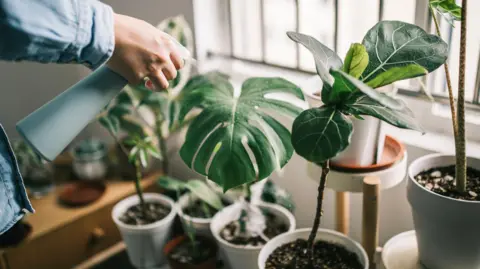
Have you lost count of the times you’ve had high hopes for a potted plant but, despite careful positioning and diligent watering, it always seems to die?
Well, you’re not cursed and you don’t need to have a particularly green thumb for your foliage to thrive, you just need to know where you might be going wrong, experts say.
Gardeners’ World host Adam Frost and Clare Preston-Pollitt from the Royal Horticultural Society share their best tips for keeping your houseplants alive and healthy.
1. Choose the right plant
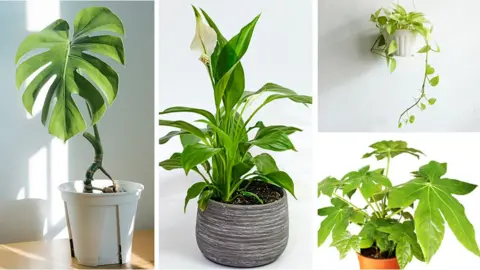
Many of us pick plants we think are pretty, but making sure they are compatible with our home conditions is key to survival, says RHS Garden Bridgewater horticultural advisor Clare.
“I think a lot of people buy plants that they like the look of… bring them home, and then watch them slowly deteriorate over the months,” she explains.
Often, it can simply be “because it’s in the wrong place,” so don’t be afraid to try moving a plant around the house to give it new life, she advises.
Clare says bright living rooms, with lots of light, are ideal for monsters, while warm, humid kitchens suit peace lilies.
She also recommends devil’s ivy for a bathroom that will see a lot of humidity, and a faux castor oil plant for a shady room or hallway.
2. Don’t overwater
A common mistake is overwatering. Rather than assuming that all plants need the same amount, it is important to know their individual needs.
For common houseplants like peace lilies and spider plants, brown leaves are a telltale sign of over or under watering. Check the dryness of the soil before adding them.
For others, like cacti and succulents, Clare says we mistakenly drown them by watering them unnecessarily.
Adam explains that these types of plants just need a light mist of water to keep them fresh.
Clare suggests using a water mat or watering globe that can slowly deliver liquid to your plant.
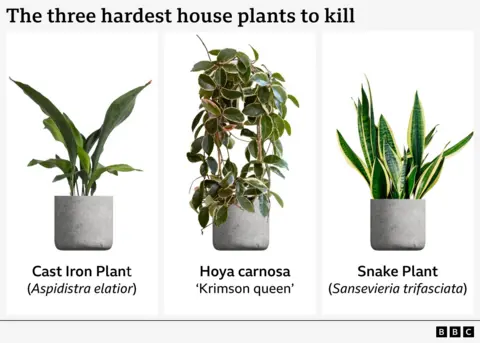
According to Clare, a cast iron plant, a Hoya carnosa and a snake plant (above) are the hardest to kill.
These plants are very “drought tolerant,” meaning they can survive a long time without being watered.
The snake and cast iron plant can also tolerate darker areas of your home.
3. Water less in winter
 Getty Images
It’s important to adjust how you care for your plant as the seasons change.
“In spring and summer you can water more regularly,” says Clare, because plants grow “actively” during this time.
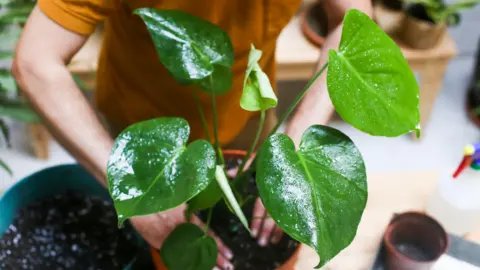
During the height of summer, some plants, such as monstera, can be watered two to three times per week. It is also important to “feed” them at this time by adding plant food to the soil to ensure they have enough nutrients.
But by fall and winter, Clare says this treatment should be the opposite.
Foliage plants enter a “semi-dormant state” as light levels decrease during these months.
This means that the soil does not need to be nourished and the plants require much less watering. Clare recommends waiting until the soil is completely dry before adding more water.
It is also important to repot your plant to keep it healthy. Clare says it’s best to do this in spring, when the plants are growing and can root more easily.
Signs that it’s time to repot include roots tying together at the bottom and sides or crawling through holes. Plus, water flowing directly from potholes is a sign that it’s time to expand, Clare says.
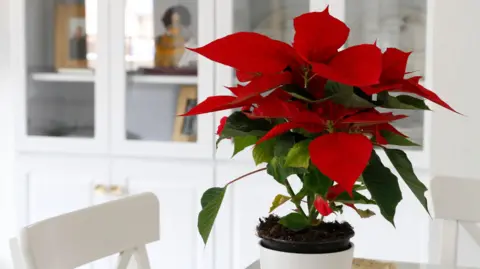
4. Keep your Christmas poinsettia warm
 Getty Images
For many of us, our first foray into foliage begins at Christmas when we receive a poinsettia. But by early January, those purple leaves probably already look wrinkled.
The trick with these festive friends is to respect their Mexican origins to help ground them in our much colder climate, says Adam.
“It’s going to want that warmth, it’s not going to want to be in a drafty place,” he says – but they need to be kept out of direct sunlight.
They don’t need a lot of watering, so only do it when they’re dry, he says.
To avoid overwatering, you can place the pot in a container of water each day before returning it to its original location, or mist gently with a spray.
To make them outlast your New Year’s resolutions, you need to add plant food to your poinsettias every month, says Adam. In April, he suggests pruning the branches, before repotting in May.
From September onwards it should be moved to a darker space for at least 12 hours a day, as this ensures that the bracts turn red, ready for the upcoming holiday season.


