Severe COVID or Severe Flu May Raise Risk of Lung Cancer, But Vaccines Helped in Animal Tests


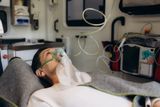
A severe case of COVID-19 or the flu can leave behind much more than a persistent cough or fatigue. New research suggests that these infections may reshape the lungs in ways that make cancer more likely in the months or even years after infection.
Published in CellThe findings reveal that severe viral infections can alter the immune environment of the lungs, creating conditions in which tumors are more likely to grow. But there is a silver lining: Vaccination appears to prevent many of these harmful changes.
Scientists say their findings could have major implications for the millions of people around the world who have recovered from serious respiratory illnesses in recent years.
“A bad case of COVID or flu can leave the lungs in a long-lasting ‘inflamed’ state that makes it easier for cancer to develop. The encouraging news is that vaccination largely prevents these harmful changes to cancer growth in the lungs,” University of Virginia School of Medicine researcher Jie Sun said in a press release.
Learn more: COVID vaccines appear to boost cancer treatment with surprising side effect
How Respiratory Diseases Are Linked to Lung Cancer
To study the surprising link between respiratory disease and lung cancer, researchers studied data from both laboratory mice and human patients. Mice with severe lung infections were significantly more likely to develop lung cancer later and were also more likely to die from it.
When the team analyzed the people’s clinical data, the same patterns emerged. Patients who had previously been hospitalized for COVID-19 had a higher incidence of lung cancer than those who did not have a serious infection.
“These findings have important immediate implications for how we monitor patients after a serious respiratory viral infection,” explained project collaborator Jeffrey Sturek. “We’ve known for a long time that things like smoking increase the risk of lung cancer. The results of this study suggest that we may need to think the same way about serious respiratory viral infections.”
Studies in mice also helped the team uncover a possible biological explanation for their results. Severe infections significantly impaired immune cells in the lungs, particularly neutrophils and macrophages, which normally help defend the body against pathogens. After infection, some of these cells began to behave differently, producing signals that created a chronically inflamed, tumor-friendly environment in which cancer cells could grow.
Vaccines as unexpected protection against cancer
One of the study’s most promising findings concerns vaccines.
In animal experiments, prior vaccination prevented lung changes that appeared to promote cancer growth. Because vaccines train the immune system to fight infections quickly and effectively, they often reduce the severity of illness. In this case, this reduced gravity may also protect lung tissue from long-term immune disruption.
“With tens of millions of people worldwide suffering from long-term lung disease [COVID-19] sequelae, these findings have significant implications for clinical care. People recovering from serious viral pneumonia, particularly those with a history of smoking, may benefit from enhanced surveillance for lung cancer, and preventing serious infection through vaccination may confer indirect protective benefits against cancer,” the study authors said.
How this affects the future of lung cancer research
Overall, the research team hopes their findings will help doctors identify patients who may need closer monitoring after a serious respiratory illness. Early detection of lung cancer significantly improves treatment outcomes, making surveillance particularly important for high-risk groups.
“Our goal is to help doctors identify people at higher risk of lung cancer after a serious infection, and to develop targeted ways to prevent and treat lung cancer after previous pneumonia. We also believe that vaccines not only prevent acute hospitalization after contracting the virus. They can also reduce the long-term consequences of a serious infection, including the type of immune scarring that can increase cancer risk,” Sun concluded.
This article does not offer medical advice and should be used for informational purposes only.
Learn more: Blood test for cancer shows promise – but is it the breakthrough clinicians have been waiting for?
Article sources
Our Discovermagazine.com editors use peer-reviewed research and high-quality sources for our articles, and our editors review the articles for scientific accuracy and editorial standards. See the sources used below for this article:


