Shockwave therapy can ease plantar fasciitis and elbow pain : NPR

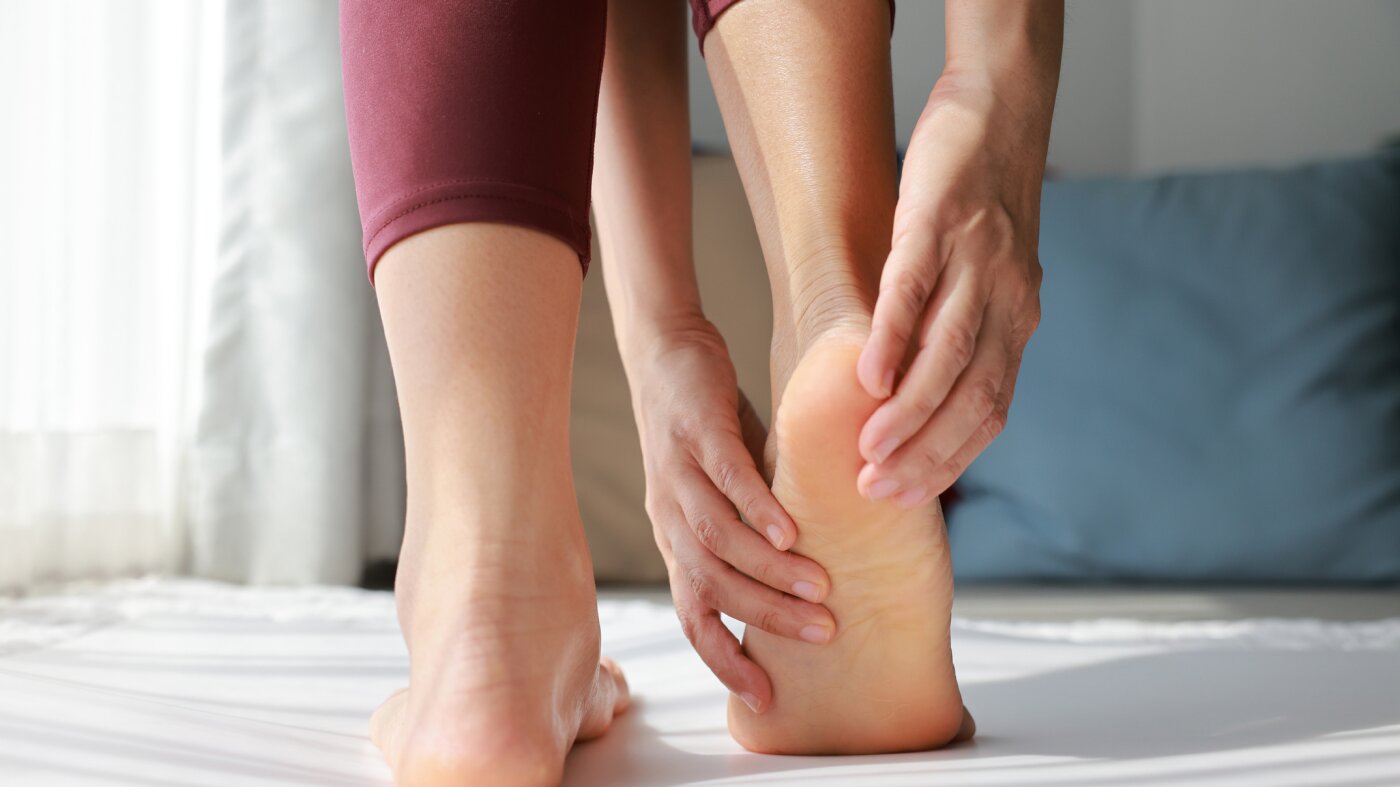

As we age, the risk of overuse injuries increases, including heel pain, often caused by plantar fasciitis.
Narongrit Doungmanee/Getty Images/iStockphoto
hide caption
toggle caption
Narongrit Doungmanee/Getty Images/iStockphoto
Many studies indicate a longer lifespan for people who exercise regularly. And research shows that the more activity you do, the greater the potential increase in longevity.
And with more than 80 million adults aged 65 and older in the United States by mid-century, the number of older, working adults is increasing.
But with age, the risk of pain and overuse injuries also increases. Some of the most common conditions include heel pain, often caused by plantar fasciitis, Achilles tendinopathy, and tennis elbow, which strike many adults, even those who don’t play the sport.

Some of the most common treatments for these overuse injuries include rest and over-the-counter medications such as ibuprofen and acetaminophen. Many people who see a doctor are also prescribed exercises and stretches as part of physical therapy. But when these treatments don’t resolve the problem and the pain persists, there is an alternative therapy that helps many people find relief, known as shockwave therapy.
Suddenly shooting pain
Jonathan Segal, a retired doctor from Menlo Park, California, is always on the move. He is in his early 70s and leads a very active life. “I hike two or three times a week,” Segal says. He also enjoys playing pickleball, biking, and volunteering at a nature preserve where he is always standing. Last year, Segal began experiencing pain in his heel. The illness appeared quickly and unexpectedly, with no specific trigger or event to explain its onset.
“When I first stood up after being in bed or sitting in a chair, my first steps were painful,” says Segal. The sensation felt like a shooting pain, which he recognized as a telltale symptom of plantar fasciitis, a leading cause of heel pain. It is caused by irritation and damage to a thick band of connective tissue on the bottom of the foot, known as the plantar fascia, which helps absorb shock during weight-bearing activities like walking, running and jumping.
A few years ago, Segal had extracorporeal shock wave therapy, or ESWT, on his Achilles tendon, and it worked well, so he asked around to find a doctor who offered treatment for plantar fasciitis.
Treatment is provided in a doctor’s office or clinic. A medical provider uses a wand-shaped device to apply pressure to the painful area. The device generates shock waves using sound waves that deliver high-intensity pressure pulses. The treatment is FDA approved for the treatment of plantar fasciitis and tennis elbow. Shock wave therapy is also effective for Achilles tendinopathy and results are mixed for its use in shoulder tendinitis and hamstring injuries.

Segal underwent three sessions of shock wave therapy, administered by Dr. Raymond Chou of Stanford University School of Medicine, who specializes in non-surgical orthopedic care and rehabilitation. “It takes a proper diagnosis,” says Chou, to ensure that shockwave therapy is an appropriate treatment for patients who have not responded to more conservative approaches, including rest, stretching, and night splints.
“Uncomfortable, but manageable. »
Chou held the wand-shaped device on Segal’s heel for approximately five to ten minutes. “It’s delivered once a week for three weeks,” says Chou. And he sees very good results for many patients, including Segal.
“It feels like someone is hitting your tissues with a rubber hammer,” Segal says, describing the sensation as uncomfortable, but manageable. The device can be adjusted to increase or decrease the intensity, depending on what the patient can tolerate.
Shock wave therapy works by increasing blood flow to the injured area and stimulating the body to repair damaged tissue.
Researchers are still determining the exact mechanisms that make the therapy effective, including the potential growth of new blood vessels in damaged areas, interruption of pain signals by crushing nerve endings that have grown into injured tendons or fascia, and destruction of nerve fibers in the affected area, which may also lead to long-term pain relief.
It’s been six months since Segal finished his treatment and he says he feels much better.
“A week or two after the first treatment, things had started to improve,” says Segal. And shortly after the third treatment, the symptoms “completely disappeared,” he says.

You can stay active after treatment
Not everyone experiences complete relief, although research shows that most patients who receive shockwave therapy experience a significant reduction in pain with long-lasting effects and a low recurrence rate.
There are two types of shockwave therapy: radial shockwave therapy which disperses pressure waves over a wider, shallower area, and targeted shockwave therapy which targets pressure at a specific point. Providers evaluate which option is best for each patient.
The treatment was first approved by the FDA in the early 2000s for a few conditions. Research is now underway into a range of musculoskeletal disorders that can be effectively treated with this therapy. “It’s not a new treatment modality, but over time the technology has improved,” says Dr. Joshua Romero, a sports medicine specialist at the Mayo Clinic who has written about the history of the treatment.
He says shockwave therapy appeals to people who want to stay physically active because activity restrictions are minimal after the procedure, unlike surgery or injections. “This allows them to maintain their sport or active lifestyle while still undergoing treatment,” says Romero.
The downside is that the treatment is generally not covered by most insurance plans. Fees range from about $100 per session to several hundred. “I had to pay the entire cost myself,” says Segal, and “it was definitely worth it.”
But given the history and evidence behind the therapy, especially in cases where it can help someone avoid surgery or other invasive procedures, Segal thinks it should be covered by insurance.
Segal is back to hiking, biking and all the activities he looks forward to every day. “Health is probably the biggest determinant of quality of life later in life,” says Segal, emphasizing the importance of physical, social and emotional health. “The more positive things you have in all of these areas, the better your quality of life,” he says, and being able to maintain the activities you enjoy is a key component.