Republicans have a rare beef with Trump over suggestion he’ll import red meat

WASHINGTON — Republicans on both sides of the Capitol are publicly and privately opposing President Donald Trump’s plan to import beef from Argentina, with some directly imploring the White House to reverse course.
The issue was raised when Senate Republicans visited the White House on Tuesday, according to Majority Leader John Thune, R-S.D., and Sen. Deb Fischer, R-Neb. Fischer said she also met with Agriculture Secretary Brooke Rollins on Tuesday to discuss her concerns.
“It happened,” Thune told reporters. “I represent a beef-producing state. We have four times as many cattle as people.”
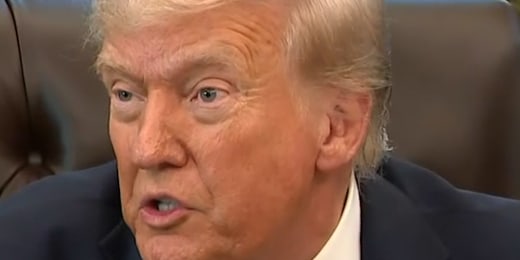
Trump told reporters aboard Air Force One on Sunday that he plans to ask the United States to buy beef from Argentina. “We would buy beef from Argentina,” he said. “If we do that, it will lower the prices of our beef. »

Congressional Republicans, who rarely criticize the president, have been open about their concerns.
“I’m really concerned about the direction that the president’s comments have shown he might be going,” Fischer said when asked by NBC News what her message was to Trump and his administration.
On Tuesday, she posted on
Sen. Markwayne Mullin, Republican of Oklahoma, who runs a cow-calf operation in his home state, said he told Trump on Wednesday that even though cattle prices are low, foreign-owned meatpacking facilities set the price Americans pay at the table.
“I think the president has definitely identified a problem that we have,” Mullin said. “But the conversation is, you know, much more important, and the president and I had a great conversation about it today.”
On the House side, during a Republican conference call Tuesday, Rep. Harriet Hageman of Wyoming, who has a strong cattle rancher presence in her district, raised concerns about importing beef from Argentina, according to a Republican source familiar with the meeting, and told colleagues she wanted more information on the matter.
Eight House Republicans also sent a letter to the White House on Tuesday, requesting more information about the decision, saying that “any import policy must require foreign suppliers to meet the same rigorous standards” that U.S. industries are subject to.
“Introducing beef from countries with inconsistent safety or inspection records could undermine the trust that American livestock producers have earned for decades,” the House letter continued.
“In recent days, we have heard from producers concerned about reports that the United States may import beef from Argentina,” Rep. Julie Fedorchak, R-N.D., wrote of the letter sent to Trump. “My colleagues at @HouseGOP have joined me in asking for clarification on the Administrator’s plans.”
Retiring Rep. Don Bacon of Nebraska told NBC News the proposal was not popular in his state, where beef production is the primary agricultural industry.
“Our ranchers have struggled for several years and are now one of the few bright spots in our AG economy,” he said. “After the administration loaned Argentina $40 billion and China buys all its soybeans from Argentina rather than the United States, the suggestion that we need to buy more beef from Argentina is flying like a lead balloon. »
Despite these concerns, Trump does not appear to be backing down. He posted on his Truth Social website on Wednesday that his tariffs had “SAVED” cattle ranchers in the United States.
“Cattle ranchers, whom I love, don’t understand that the only reason they are doing so well, for the first time in decades, is because I imposed tariffs on livestock entering the United States, including a 50% tariff on Brazil,” he wrote. “Without me, they would do what they have done for the last 20 years: it’s terrible! It would be good if they understood this, but they also have to lower their prices, because the consumer is also a very important factor in my thinking!”
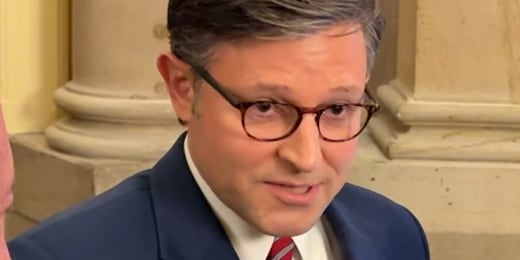
House Speaker Mike Johnson, R-La., acknowledged that some members of his conference are concerned about the impacts on U.S. beef producers. He said that after Hageman raised her concerns on the call, she reached out to the U.S. Trade Representative and the White House, “and they were having these thoughtful discussions.”
Johnson then largely defended Trump’s trade policies.
“The White House doesn’t want unintended consequences,” Johnson said during his press conference. “What they’re trying to do is improve the lives of ordinary Americans, get our economy working again and make sure that we’re treated fairly by our trading partners around the world. And there are a lot of complications and a lot of moving parts when you’re talking about trade deals, renegotiating old trade deals between, you know, over 100 countries at the same time. But they’ve done an extraordinary job, and they’re trying to refine all these details.”