Bronze Age feasts uncovered in ancient English trash heaps


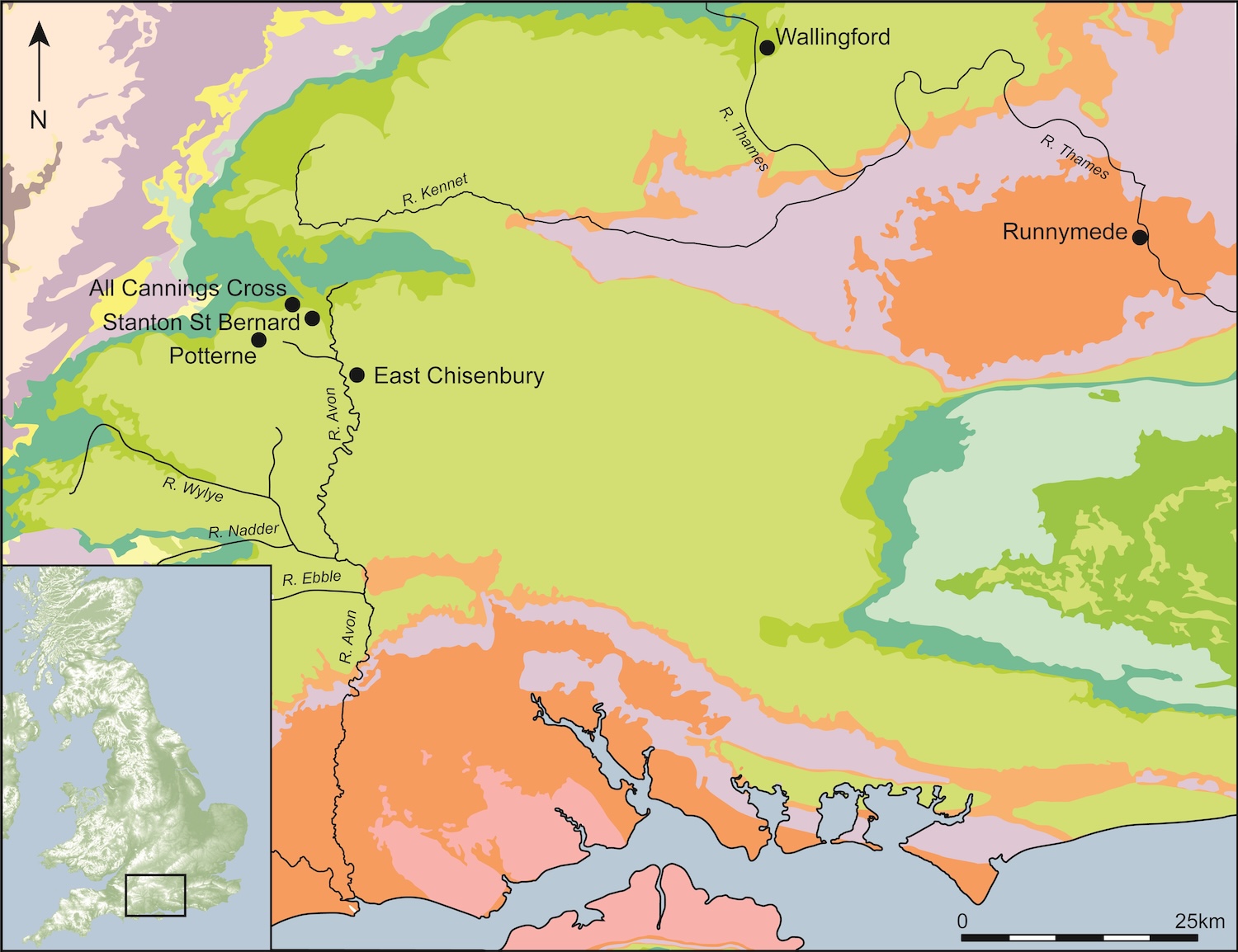
Although they may not be pretty views, the great prehistoric spills called Middens are essential to understand human history. Details on the diet, architecture, clothing and society of a people can all be gleaned by digging through these mounds. In what is now the largest study of the genre, archaeologists at the University of Cardiff have documented years of excavation on six sites in southern England. Their research published on September 9 in the journal iscience Indicates that the British Bronze Age have traveled long distances to participate in huge feast events. And they didn’t travel alone.
“Our results show that each Midden has had a distinct composition of animal remains, with a few locally raised sheep and others with pigs or cattle from afar,” said the main study, Carmen Esposito, in a press release.
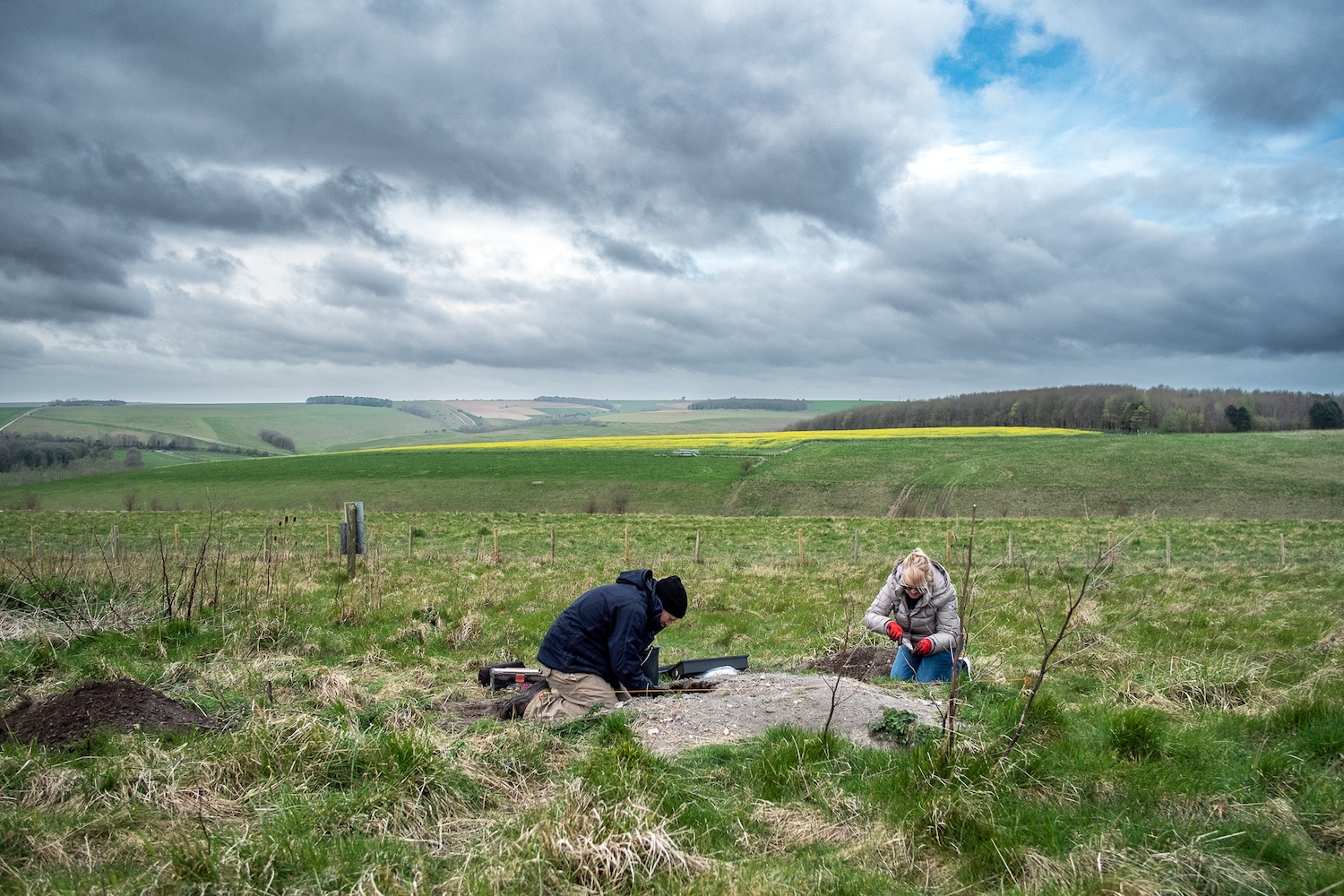
In an example, Esposito and his colleagues collected around 15 million bone fragments of the Midden Potterne in the southwest of England. With an area measuring approximately five football fields (around 90,000 square feet), this mound is the largest of the locations interviewed. It mainly contained various leftover pigs.
To find out where the pigs come from, the researchers used a technique known as the multi-isotope analysis. It works by identifying the specific chemical markers left in pig bones as a function of their diet. They then appeared them with chemical compositions found in specific geographic areas. In this case, a large part of the cattle was waddled as far as the north of England.
However, the pig was not always the favorite meal. In Runnymede more east of Surrey, the Esposito team has also found cattle in a herd of large distances. Instead of the pig, the Midden at 10 miles from Stonehenge in East Chisenbury, contained the bone fragments of hundreds of thousands of sheep of local origin.
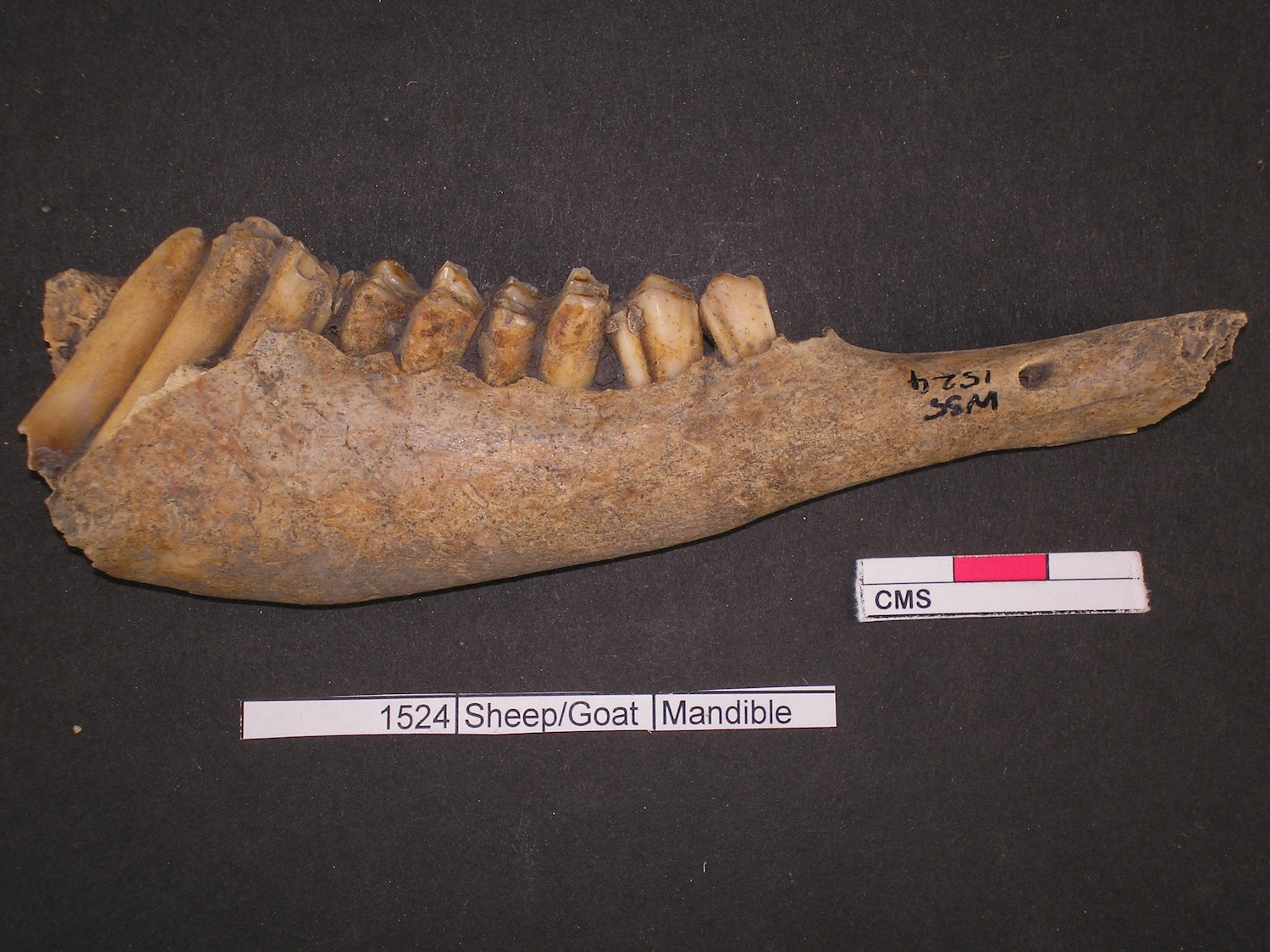
The team now believes that each location worked as a pastoral “Lynchpin” which supported regional savings. Bronze age groups were traveling for kilometers to participate in large food -based events where they expressed their identity and maintained relationships. This was particularly vital when the communities moved away from bronzemat to focus more on agriculture while the climate moved around 850 BCE.
“At a time of climate and economic instability, the inhabitants of southern Great Britain turned to party,” said the co-author of the study Richard Madgwick. Madgwick also theorizes that there could even be a transitional “party age” between bronze and iron, while populations and societal hierarchies have moved.
While the main food rallies have always been an integral part of societal relations, Madgwick said that little is compared to what his team found at the Bronze Age in England.
“The scale of these accumulations of debris and their large watershed is astonishing and points to community consumption and social mobilization on a scale which is undoubtedly unequaled in British prehistory,” he explained.
To paraphrase the old adage: an ancient human order is the treasure of a current archaeologist.

More offers, reviews and purchasing guides


