World Password Day tips to protect your online accounts from hackers


NEWYou can now listen to Fox News articles!
World Password Day is here and it’s the perfect excuse to check something most of us ignore until it’s too late. Your passwords.
Think about it. You’re scrolling through your phone, perhaps checking your email or social media, when you see a message claiming that someone has access to your account. You want to ignore it. This looks like spam.
But this time, you take a break. Because breaches happen all the time, and stolen passwords remain one of the easiest ways for hackers to gain access.
So instead of waiting for a scare, today is a good day to plan ahead.
MOST USED PASSWORD IN AMERICA IN 2025 REVEALED

World Password Day is a reminder to update weak or reused passwords before hackers use stolen login information to access your accounts. (Pekic/Getty Images)
Sign up for my FREE CyberGuy Report
- Get my best tech tips, urgent security alerts and exclusive offers straight to your inbox.
- To learn simple, actionable ways to quickly spot scams and stay protected, visit CyberGuy.com – trusted by the millions of people who watch CyberGuy on television every day.
- Plus, you’ll get instant, free access to my Ultimate Scam Survival Guide when you sign up.
Why World Password Day really matters
This isn’t just another made-up vacation. This brings to mind a very real problem. Companies get violated. Database leak. And once login information is exposed, it is often shared or sold online.
From there, attackers attempt to use those same passwords on other accounts. This is called credential stuffing, and it works more often than you think. This is why even a weak or reused password can put multiple accounts at risk.
How to check and protect yourself today
You don’t need a complicated process. Start simple and work your way up.
1) Change your most important passwords
Start with your email, banking, and social media accounts. If any of these passwords are old or reused, update them now.
2) Stop Reusing Passwords
One of the biggest risks is using the same password on all sites. If one account is exposed, others can fall like dominoes.
3) Enable two-factor authentication
Two-factor authentication (2FA) adds a second layer of protection. Even if someone knows your password, they still can’t gain access without this extra step.
10 SIGNS YOUR PERSONAL DATA IS BEING SOLD ONLINE
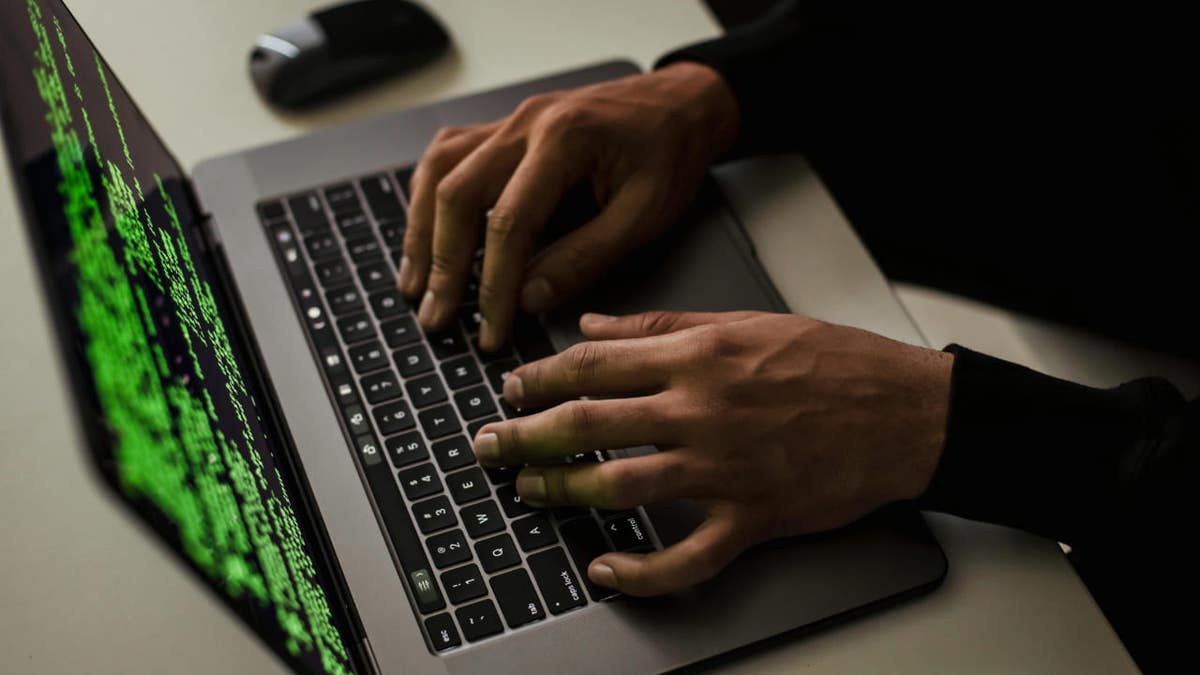
Reused passwords can put multiple accounts at risk if a company breach exposes login credentials to hackers. (Kurt “CyberGuy” Knutsson)
4) Reduce the amount of your data online
This step is often overlooked, but it is more important than you think. The more personal information circulating online, the easier it is for scammers to target you or break into your accounts. You can take a more proactive approach. Some data removal services offer a free scan that checks whether your personal information is exposed on data broker and people search sites. It only takes a minute to run and the results can show you which companies may have your data. From there, you can decide whether or not to delete this information and reduce your exposure in the future. Results arrive by email in about an hour.
Check out my top picks for data deletion services and get a free scan to find out if your personal information is already available on the web by visiting CyberGuy.com.
How to create a strong password
If you update your passwords today, make sure you do it correctly.
Do it long
Aim for at least 12 characters. Longer passwords are much harder to crack.
Mix different types of characters
Use upper and lower case letters, numbers and symbols to increase complexity.
Avoid common words and phrases
Simple words or predictable combinations are easy for attackers to guess. What are the 5 best passwords to avoid? The most commonly used and insecure passwords are:
- 123456
- 123456789
- 12345678
- password
- Qwerty123
These passwords are extremely easy to guess and should be avoided at all costs.
Ignore obvious substitutions
Replacing letters with symbols, such as “$” for “S”, is no longer effective. Hackers are already responsible.
HOW SECURE IS MY PASSWORD? USE THIS TEST TO FIND OUT
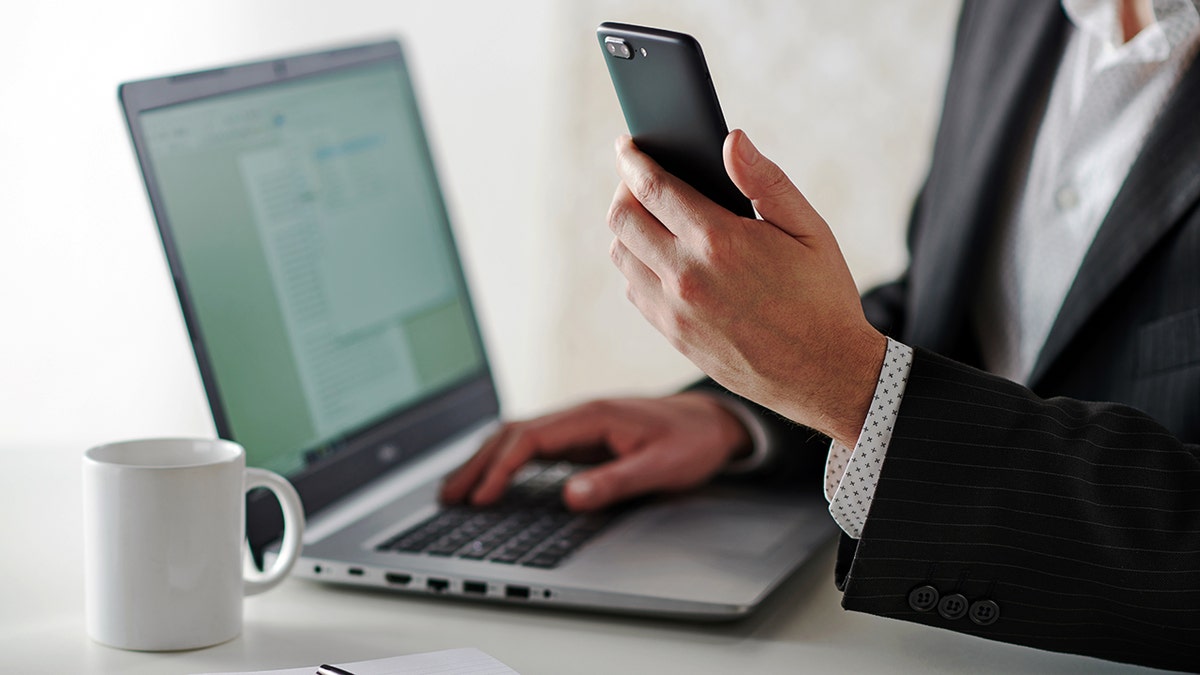
Strong passwords, two-factor authentication, and password managers can help protect email, banking, and social media accounts from attackers. (Neil Godwin/Avenir via Getty Images)
Why a password manager is worth it
Managing strong passwords yourself is not realistic. This is why password managers exist.
These tools can generate strong, unique passwords for each account and store them securely. You only need to remember one master password.
It also makes logging in faster and easier, while removing the temptation to reuse passwords. This alone can avoid a lot of problems.
Discover the Best Expert-Rated Password Managers of 2026 at CyberGuy.com.
Kurt’s Key Takeaways
World Password Day is a reminder, but it shouldn’t be the only day you think about it. It’s still a good starting point. A few quick changes today can prevent a major headache later. Strong passwords, two-factor authentication, and reducing your online footprint all work together. Tools like Incogni help go further by limiting the amount of information available up front. Pair that with a password manager and you won’t just be responding to threats. You build a much stronger defense.
CLICK HERE TO DOWNLOAD THE FOX NEWS APP
When was the last time you updated your passwords, and what made you finally do it? Let us know by writing to us at CyberGuy.com.
Sign up for my FREE CyberGuy Report
- Get my best tech tips, urgent security alerts and exclusive offers straight to your inbox.
- To learn simple, actionable ways to quickly detect scams and stay protected, visit CyberGuy.com – trusted by the millions of people who watch CyberGuy on television every day.
- Plus, you’ll get instant, free access to my Ultimate Scam Survival Guide when you sign up.
Copyright 2026 CyberGuy.com. All rights reserved.