State Department launches Freedom.gov website for global digital freedom


NEWYou can now listen to Fox News articles!
FIRST ON FOX: The State Department has finalized a new privacy-preserving app intended to give users around the world access to what officials describe as the same uncensored Internet available to Americans, even in countries with strict online enforcement, such as China and Iran, and as Europe implements stricter content monitoring.
The platform, Liberty.govwill be rolled out “in the coming weeks,” Fox News Digital has learned.
It will work as a one-click desktop and mobile app compatible with iOS and Android devices.
MARCO RUBIO expresses concern that Americans could one day be arrested for social media posts while visiting Europe
The app is open source and includes built-in anonymity protections.
“In the interest of full transparency, we have made Freedom.gov completely open source. But we have also made it completely anonymous,” a State Department official said. “Everyone can see how it works. No one, including us, can track or identify you.”
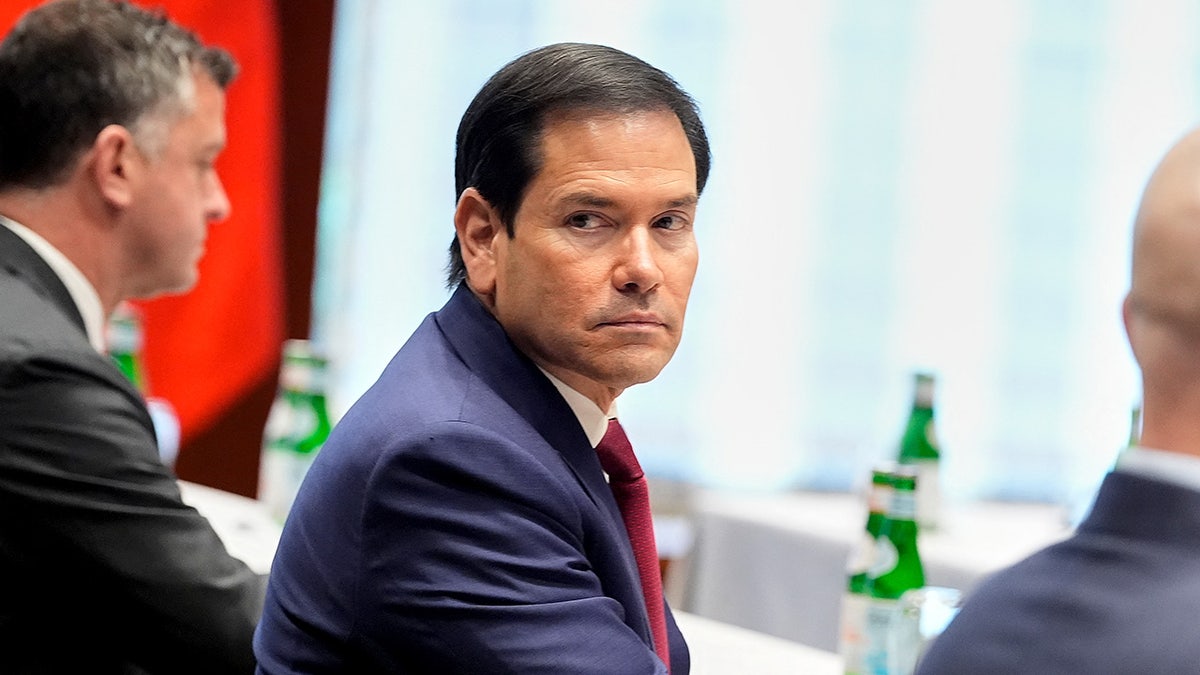
The State Department, led by Sec. Marco Rubio has finalized a new privacy-preserving app intended to give users around the world access to what officials describe as the same uncensored Internet available to Americans. (Alex Brandon / POOL / AFP via Getty Images)
According to the official, the app does not log IP addresses, session data, browsing activity, DNS queries or device identifiers that could be used to personally identify users.
Specific details about the underlying technical structure of the application have not been disclosed.
Governments with sophisticated censorship systems have historically moved quickly to block or criminalize circumvention tools. Authorities can restrict app downloads, block domains, limit traffic, or impose sanctions on users.
Whether Freedom.gov maintains accessibility in highly restricted environments may depend on its technical architecture and ability to adapt to countermeasures.

Iran protests rising death toll as Rubina Aminian joins hundreds reportedly killed by government forces. (MAHSA/Middle East Images/AFP via Getty Images))

The rollout comes amid intensifying global battles over internet governance, as governments in Europe and elsewhere strive to assert greater control over online content. (Dominika Zarzycka/SOPA Images/LightRocket)
The initiative is led by Undersecretary for Public Diplomacy Sarah Rogers, who oversees the State Department’s Office of Digital Freedom.
“Freedom.gov is the latest in a long line of efforts by the Department of State to protect and promote fundamental freedoms, both online and offline,” Rogers said. “The project will be global in scope, but distinctly American in its mission: commemorating our commitment to free expression as we approach our 250th anniversary.”
Reuters previously reported that the State Department was developing the Freedom.gov platform.
The rollout comes amid intensifying global battles over internet governance, as governments in Europe and elsewhere strive to assert greater control over online content.
GOOGLE’S DECISION TO REVERSE BIDEN-ERA YOUTUBE ACCOUNT BANS LAID AS ‘HUGE DEVELOPMENT’ FOR FREE SPEECH
In Europe, regulators have increased their oversight under new laws aimed at controlling digital platforms. The European Union’s Digital Services Act expands government authority over major platforms and requires the removal of illegal content, including hate speech and extremist content, with regulators empowered to impose heavy fines for violations.
In the UK, the Online Safety Act imposes new obligations on platforms to tackle harmful and illegal content and includes age verification requirements for certain services. Critics warn that the measures risk encouraging aggressive removal of content and expanding government influence over lawful speech online.
Elsewhere, restrictions have been more direct. Russia recently decided to ban WhatsApp, consolidating state control over digital communications.
China maintains the world’s most sophisticated online censorship system, widely known as the “Great Firewall,” blocking foreign media and social media platforms while promoting a state-controlled digital ecosystem.
Iran has repeatedly imposed massive internet shutdowns during periods of unrest. During the protests, government power outages cut citizens off from global communications.
CLICK HERE TO DOWNLOAD THE FOX NEWS APP
The Wall Street Journal previously reported that thousands of Starlink satellite Internet terminals were secretly smuggled into the country following a power outage, part of a U.S.-backed effort to help dissidents circumvent censorship.
Iranian authorities have attempted to jam satellite signals and have criminalized possession of such equipment. Satellite connectivity – which does not rely on national telecommunications infrastructure – has become one of the few viable lifelines in the event of an outage.


