States Are Cutting Medicaid Provider Payments Long Before Trump Cuts Hit


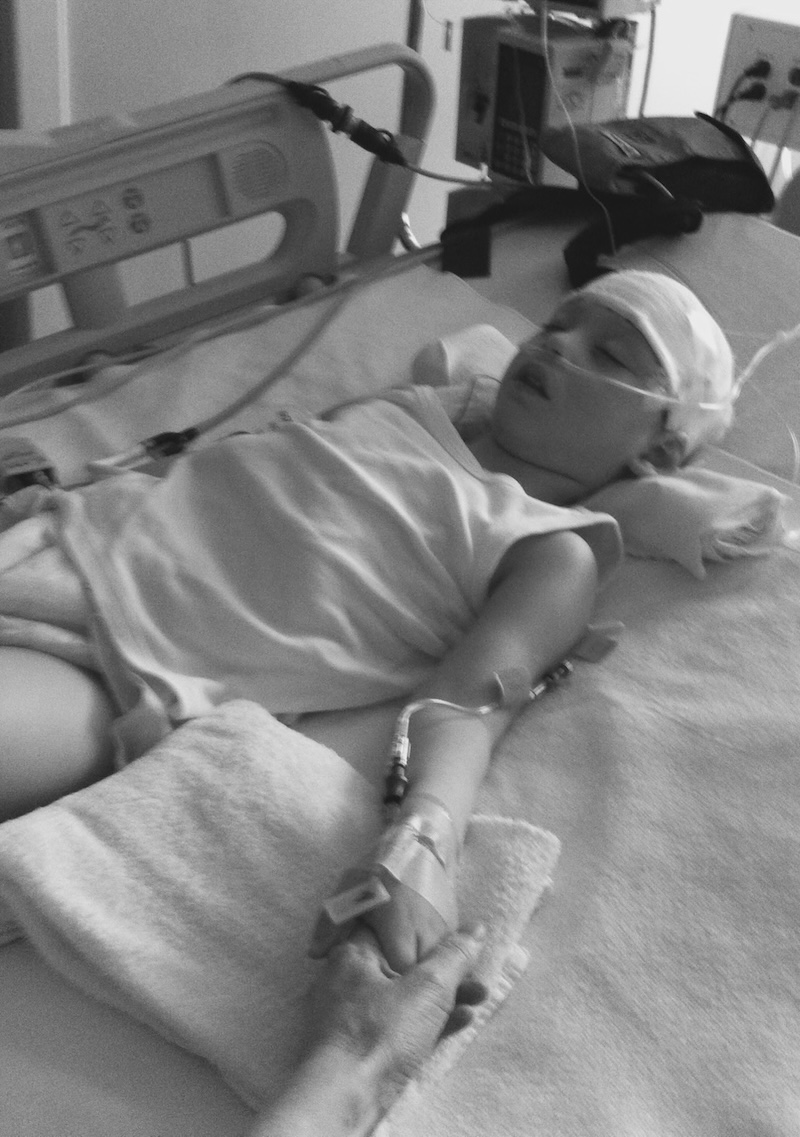
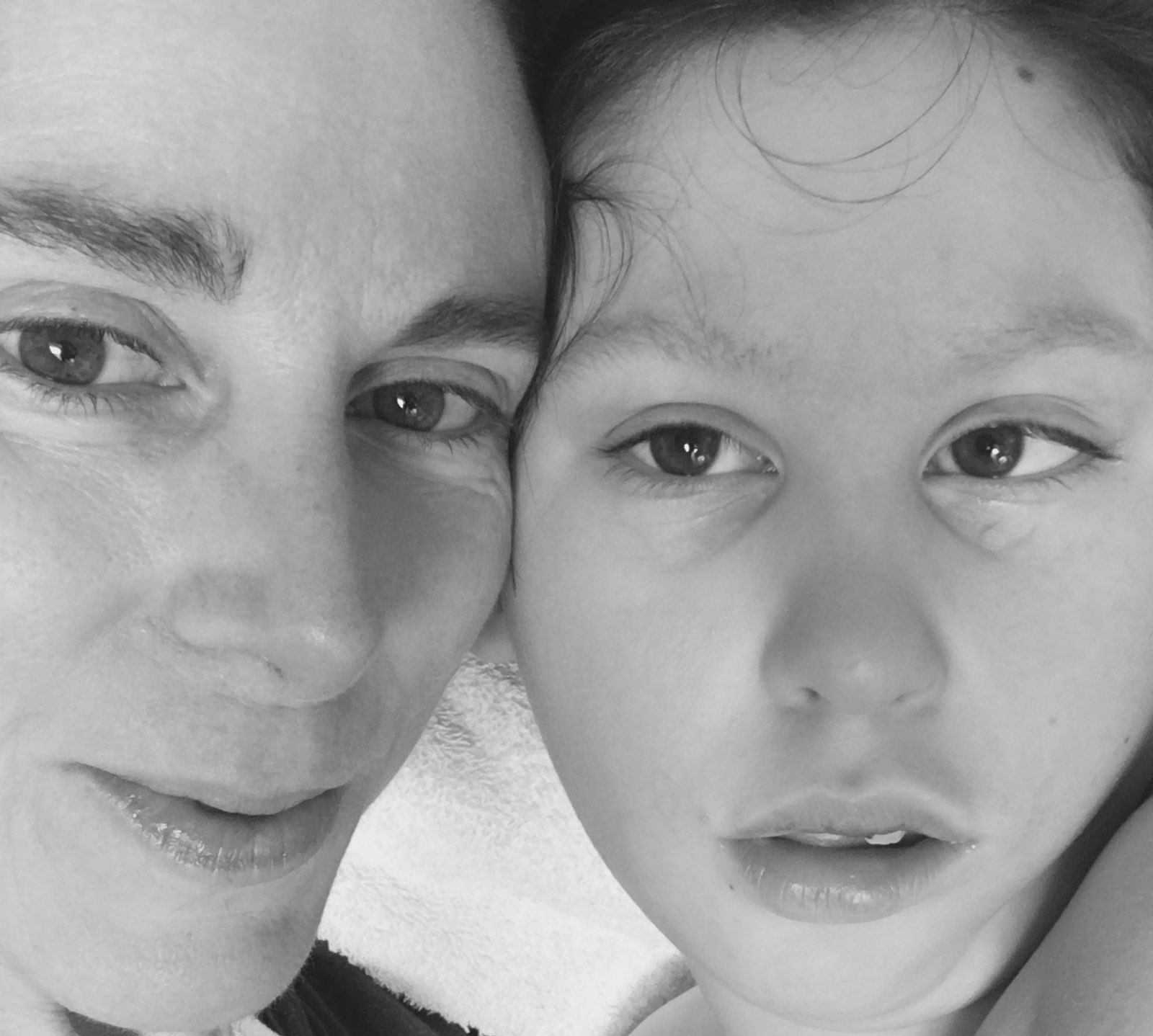
Every day for almost 18 years, Alessandra Fabrello has been a medical caregiver for her son, in addition to being her mother.
“It is almost impossible to explain what it takes to keep a child alive who should be dead,” said Fabrello, whose son, Ysadore Maklakoff, experienced a rare brain condition called acute necrotizing encephalopathy at 9 months.
Thanks to the North Carolina Medicaid program, Maklakoff qualifies for a large list of medical care at the family’s home in Chapel Hill. Fabrello said she was working with recruitment agencies to organize services. She also learned to provide care normally carried out by a doctor, a qualified nurse or a highly qualified therapist, as she often cannot get help.
Now, large cuts in North Medicaid Carolina will make research and payment of care even more difficult.
Nationally, states rush to close budget deficits and envisage Medicaid, generally one of the most important costs of a state – even before the tax law and expenditure by President Donald Trump decreases federal expenses for Medicaid by around 1 billion of dollars over the next decade.
North Carolina and Idaho have already announced its intention to reduce Medicaid payments to health care providers, including hospitals, doctors and caregivers.
In Michigan and Pennsylvania – where legislators have not yet adopted budgets this year – spending for Medicaid is one of these debates. In the state of Washington, legislators have approved the programs’ discounts that will not affect who is eligible, said Hayden Mackley, spokesperson for the State Management Office.
Medicaid is government health insurance for low -income or disability and dollars of states and federals pay for the program.
The Northern Caroline Medicaid Agency announced that it would institute a minimum reduction of 3% of the remuneration for all providers who treat Medicaid patients on October 1. Primary care physicians face a drop of 8% and with specialized doctors a 10% drop in payments, according to the Northern Caroline Ministry of Health and Social Services.
Fabrello said that his son’s dentist has already called to say that the office will not accept Medicaid patients in November. Fabrello fears that dental work will become another service for which his son is eligible, but cannot obtain because there are not enough providers who accept the coverage of Medicaid.
Occupational therapy and speech therapy, nursing and respite care are all difficult or impossible to obtain, she said. During a good week, his son will receive 50 hours of qualified nursing over the 112 hours at which he is eligible.
“When you say:” We are only reducing suppliers’ prices “, you cut it to him for all his needs,” said Fabrello.
Shannon Dowler, a former chief doctor of North Medicaid Carolina, said that the reduction in payments to dentists and other service providers would reduce the number of statements from the State Medicaid network and will result in “immediate loss of access to care, lower results and cause higher downstream costs”.
The imminent cuts in North Carolina “have nothing to do” with the new federal law which reduces the funding of Medicaid, said Dowler.
“It’s like the layers of the onion,” she said. “We hurt ourselves in North Carolina ahead of the match, long before we need to do it.” North Carolina alone is expected to lose about $ 23 billion in Federal Medicaid dollars over the next decade.
More than 3 million North Carolinians are registered in Medicaid. State legislators in the dead end agreed with a mini-budget in July to continue to finance state programs that gave the Medicaid agency $ 319 million less than what he asked for. Legislators can choose to restore the funding of Medicaid this exercise, said Dowler.
“We all hope that it changes,” said Dowler, adding that if not, “you will see practices abandon the coverage of the members of Medicaid.”
Each year since at least 2019, the North Carolina Medicaid agency has requested more money than it received from the state legislature. A variety of federal resources, including money provided to states during the COVID-19 pandemic, helped to fill the gap.
But these funds have disappeared this year, leaving the agency with a choice: eliminating certain optional parts of the program or forcing each supplier who accepts public insurance to take a salary reduction. The state chose mainly for the latter.
“It’s a difficult time for North Carolina,” said Jay Ludlam, deputy secretary of North Medicaid Carolina. The cutting in the budget is “absolutely the opposite direction of the place where we really want to go, we have to go there, have headed as a state”.
For Anita Case, which leads a small group of health clinics in North Carolina, the cuts make it more difficult to take care of the “most vulnerable in our community”.
The three clinics of Western North Carolina Community Health Services serve around 15,000 patients in and around Asheville, including many non -English -speaking tourism workers. Case said that it would examine staff, services and contracts to find places to be cut.
Idaho has around 350,000 people registered in Medicaid. This month, the heads of state responded to a budget deficit of $ 80 million by reducing Medicaid’s remuneration rates in all areas.
The large cuts increased reactions to the scale of nursing home care operators and patient defense groups. The managers of a nursing home company wrote in a recent editorial in the newspaper Idaho Statesman that 75% to 100% of funding in their facilities come from Medicaid and that the Cups will force them to “reduce staff or accept fewer residents”.
The spokesman for the Idaho Ministry of Health and Well-Being, AJ McWhser, said that the state had faced difficult choices. He has been planning 19% of Medicaid spending this year.
The Toni Lawson of the Idaho Hospital Association said that the financial tension will be the largest in about two dozen small hospitals – those with 25 beds or less – which dot the state. Lawson, the director of defenders of the organization, said that a hospital chief said he had less than two days in cash to make pay. Others said 30 days in cash or less, she said.
“Hopefully, none of them will climb,” said Lawson, adding that she expects that work and behavioral health and health units are often losing money, being the first to leave because of this last reduction in state payments. Several hospitals in most rural areas in the state closed their work and delivery units last year, she said.
Nationally, Medicaid represents on average 19% of the expenses of the general fund of a State, just after the expenses of kindergarten in the 12th year, said Brian Sigritz, director of state budget studies for the National Association of State Budget Officers.
States generally experienced a strong growth in income in 2021 and 2022 due to economic growth, which included federal aid to stimulate the economy. Income growth has since slowed down and some states have reduced income and equity taxes.
Meanwhile, spending on Medicaid, housing, education and the response to disasters increased, said Sigritz.
In North Carolina, Fabrello could not work outside the care of her son. Her savings are almost exhausted, said Fabrello, and she was on the verge of financial ruin until North Carolina begins to allow parents to be compensated for care tasks. She received this income for about a year, she said. Without that, she feared losing her house.
Now, if the state reductions are passing, it faces a drop in salary.
“As parents, we are essential lines of life for our children, and we find it difficult to fight for our own survival in addition,” said Fabrello.