Jamal Khashoggi’s words live forever : NPR


Jamal Khashoggi.
Mohammed Al-Shaikh/AFP via Getty Images
hide caption
toggle caption
Mohammed Al-Shaikh/AFP via Getty Images

Jamal Khashoggi.
Mohammed Al-Shaikh/AFP via Getty Images
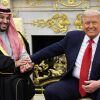
When President Trump hosted Saudi Crown Prince Mohammed bin Salman in the Oval Office this week, a reporter asked about Jamal Khashoggi. The Saudi journalist was assassinated in 2018, according to US intelligence agencies, in an operation approved by the crown prince.
“You’re talking about someone who was extremely controversial,” the president responded. “A lot of people didn’t like this gentleman you’re talking about. Whether you like him or not, things happen.”
Jamal Khashoggi comes from a prominent Saudi family, but fled his country in June 2017, after becoming increasingly critical of his government. He said he was banned from using Twitter.
He began writing articles for The Washington Post with a frank confession:
“It was painful for me a few years ago when several friends were arrested,” he wrote. “I didn’t say anything. I didn’t want to lose my job or my freedom. I was worried about my family. I made a different choice now. I left my home, my family, and my job, and I’m raising my voice. To do otherwise would betray those who are languishing in prison. I can speak when so many cannot.”
The following summer, the crown prince lifted the traditional ban on women driving. But his government first arrested many women’s rights activists, accusing them of “nefarious contacts with foreign parties.”
“The message is clear to all,” Khashoggi wrote. “Activism of any kind must take place within government, and no independent voices or counter-opinions will be allowed. Everyone must stick to the party line.”
Just months after writing these words, Khashoggi entered the Saudi consulate in Istanbul to collect his marriage documents. His fiancée waited outside for hours. Khashoggi never left this building.
But his voice continued. His final column, published after his death, called for freedom of expression in the Arab world and warned that governments in the region “have been given carte blanche to continue to silence the media.”
Khashoggi knew when writing that some powerful people might find his comments not only “extremely controversial,” as President Trump put it, but also threatening to their power. He wrote them anyway, whether they liked it or not.


