18 jaw-dropping images from the 2025 ZWO Astronomy Photographer of the Year awards


When the largest geomagnetic storm in 20 years struck the earth in May 2024, photographer Kavan Chay was in Tumblown bay in New Zealand. Armed with a Nikon Z 7 Astro-Modified camera, Chay captured an absolutely spectacular shot (seen above) of the vibrant dawn which results from the level G5 storm.
“The Aurora pulled throughout the night, almost as if it was alive,” wrote Chay on Instagram. “It was breathtaking to watch and really returned my last week of silent anxious thoughts. It’s amazing how nature can really help you with these things. ” The image of Chay obtained the best honors in the Aurorae category of the photographer of the year of the Zwo astronomy of the Royal 2025 observatory.
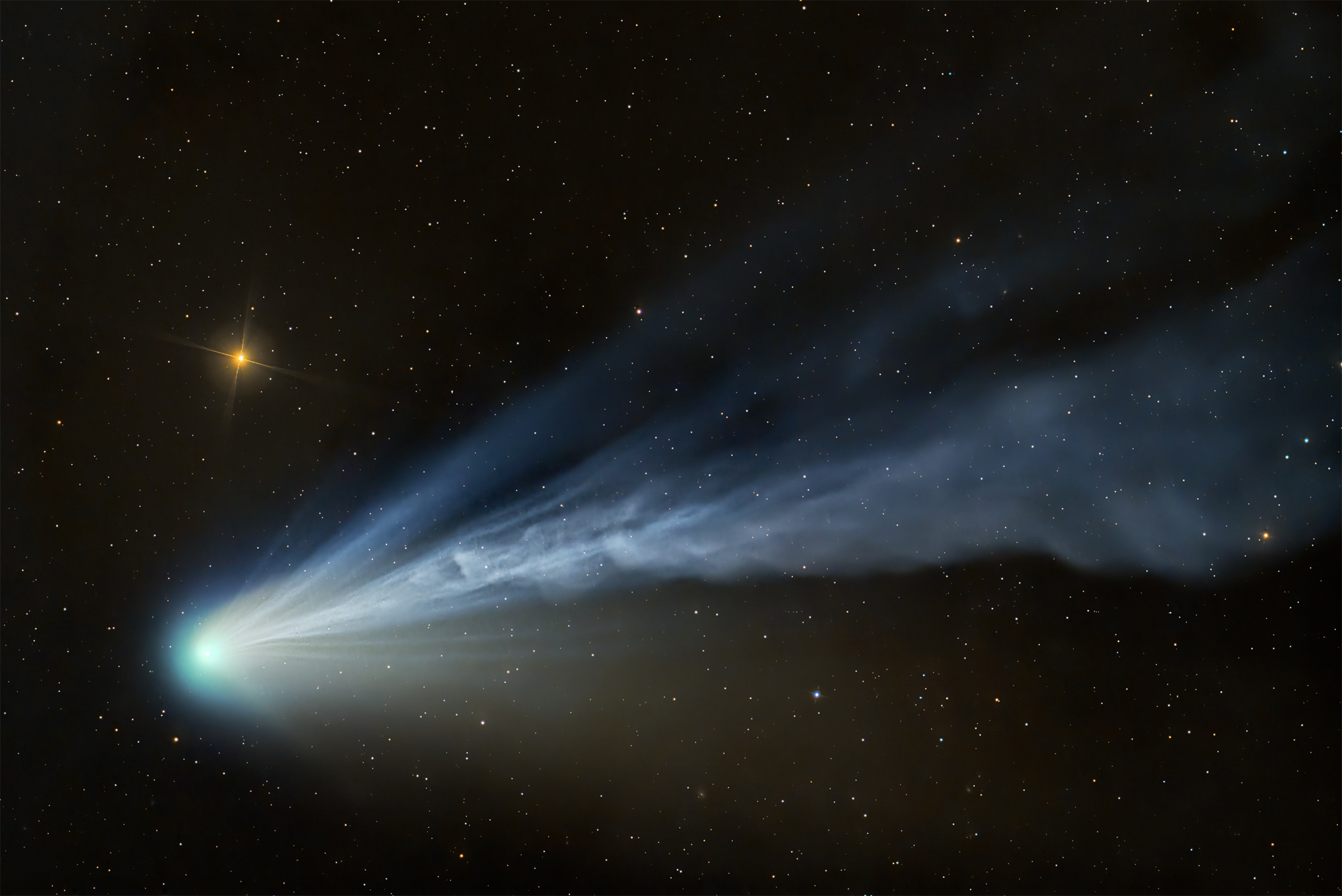
Winner
The COMETE 12P / PONS-BROOKS has visibly reacted to intensified solar winds associated with the current solar maximum, creating a show of tail dynamics and colorful colors expelled by its nuclear coma, the brilliant cloud of gas around the center of the comet.
Credit: Dan Bartlett / Zwo Photographer of Astronomy of the Year
A spectacular photographer titled “The Andromeda Core” (seen below) by Weitang Liang, Qi Yang and Chuhong Yu won the winner’s prize.
“” The Andromeda Core “reveals an astonishing level of detail that really made me breathe my breath,” said Sam Wen, founder and CEO of Zwo in a press release. “The realization of such clarity and this depth requires not only high -level astronomical equipment and exceptional vision conditions, but also a huge amount of patience and perseverance. It is clear that behind this image is a dedicated team whose persistent effort and collaboration have made this masterpiece possible.
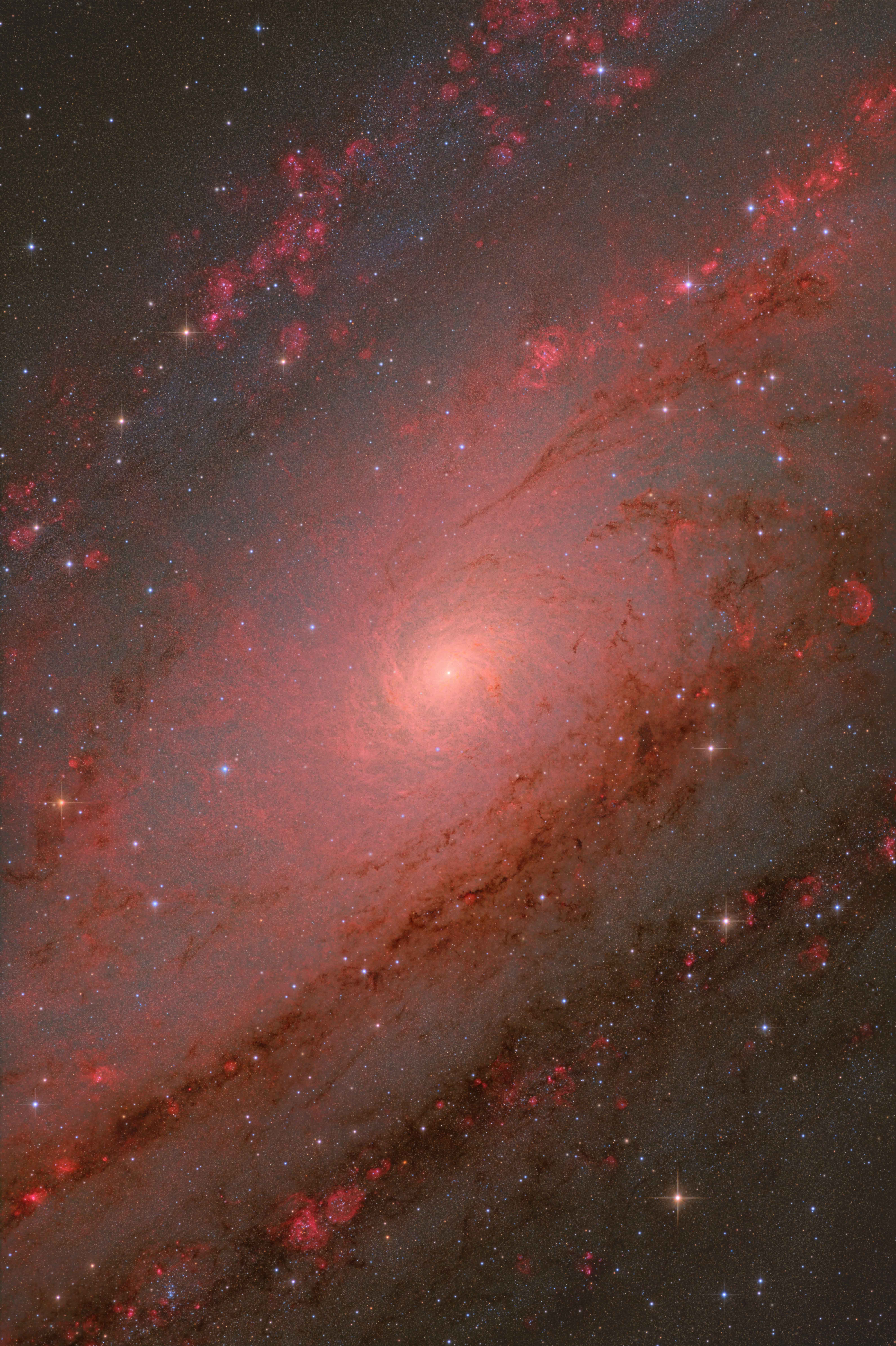
General winner
This image presents the nucleus of the Andromeda galaxy (M31) in exceptional details, captured using a long focal length telescope. Taking advantage of the excellent vision conditions in Nerpio, photographers focused on the revelation of the complex structure of the central region of the Galaxy and its surrounding stellar population.
Credit: Weitang liang, qi yang, chuhong yu / Zwo astronomy photographer of the year
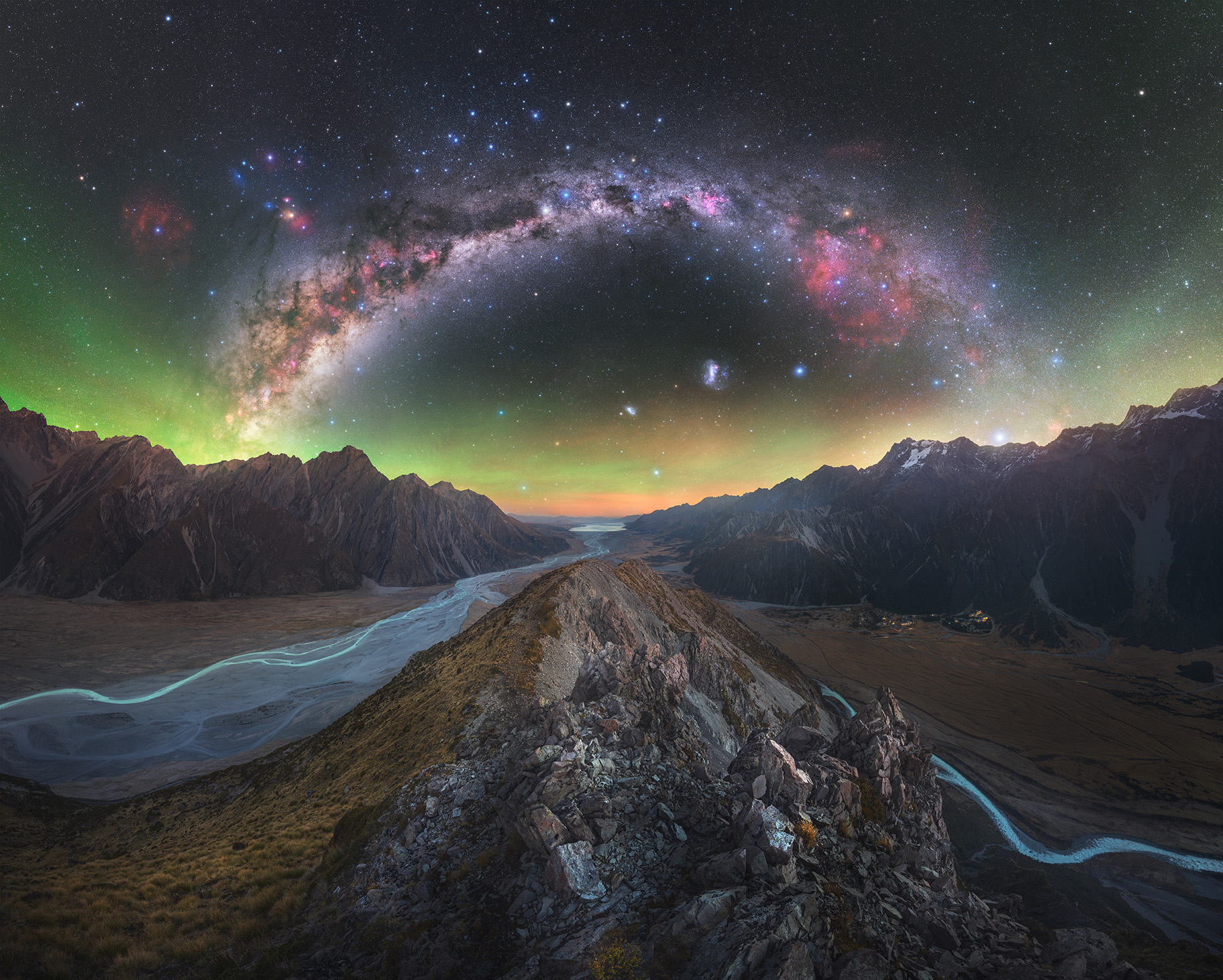
Winner
It is the greatest panorama that Tom Rae has ever captured, with the full resolution image containing more than a billion pixels of 62 images sewn together. Photography captures twin ice rivers with the nucleus of the Milky Way to the left of the image, as well as the famous southern cross and other high pointers in the central sky.
Credit: Tom Rae / ZWO photographer of the astronomy of the year
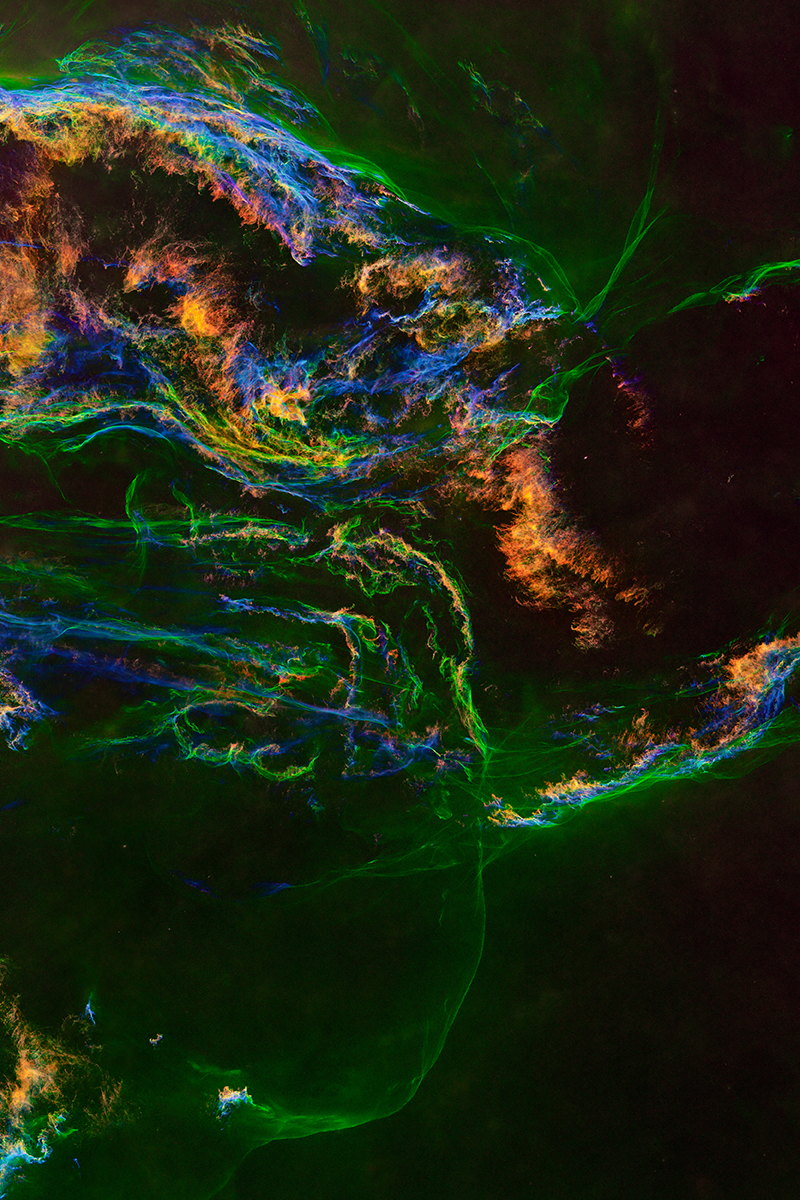
Finalist
This image presents the emblematic NGC 6960, also known as the nebula of the veil. To capture its complex details and bright colors, Zixiong Jin used a telescope, a cooled monochrome camera, an equatorial support and a motorized filter wheel equipped with H-Alpha, OIII, Sii, red, green and blue filters. For this particular target, the photographer succeeded from a larger mosaic to better illustrate the concept and the shape of the “veil” using a unique composition.
Credit: zixiong jin / zwo astronomy photographer
Finalist
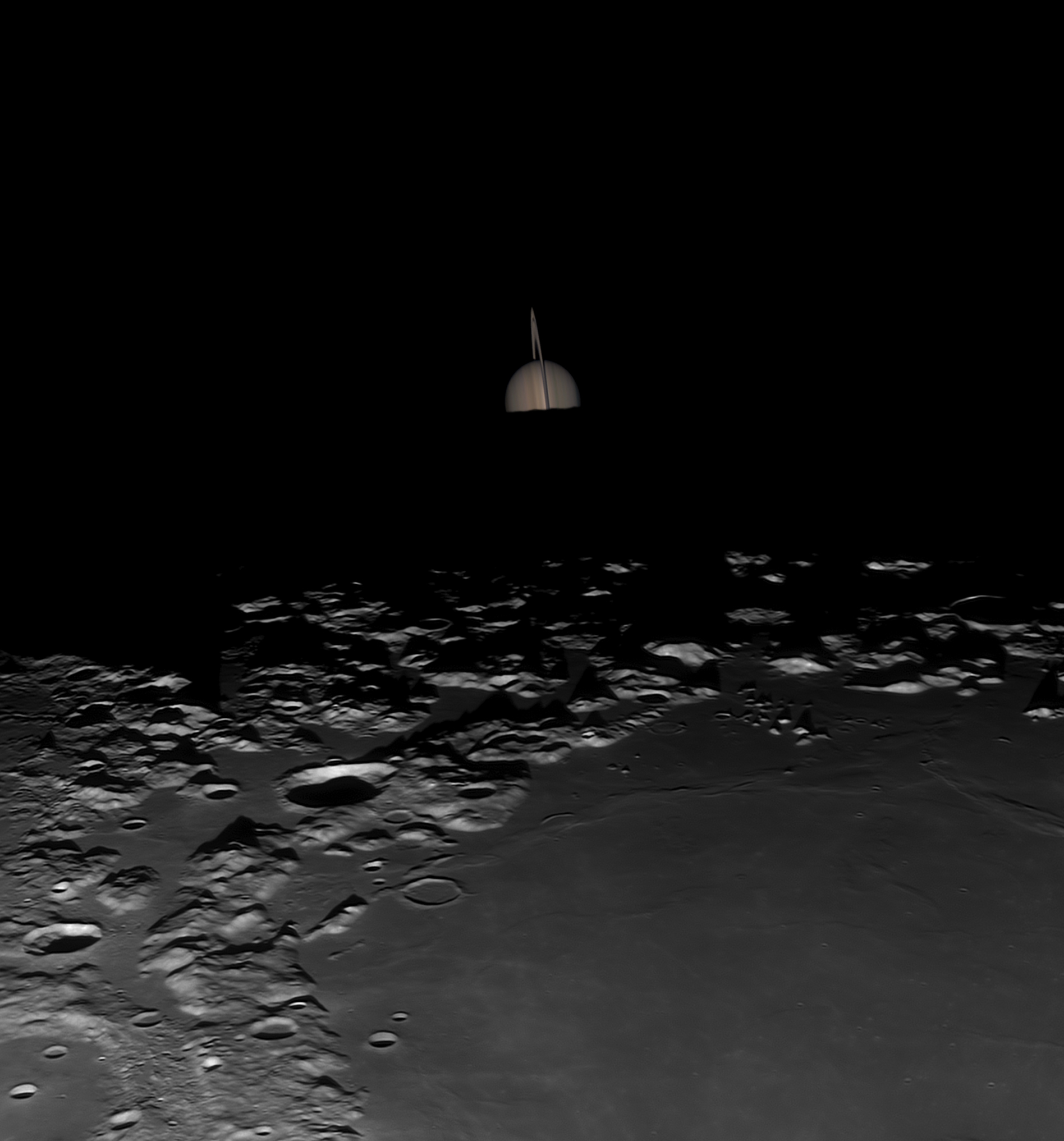
This image shows the end of Lunar Occultation of Saturn in August.
Although rare for a single place on earth, 2024 has seen a total of ten occultations occur around the world! The illustrated event here occurred near Saturn’s opposition and therefore coincided with the almost full moon.
Credit: Tom Williams / Zwo Astronomy of the Year
Finalist
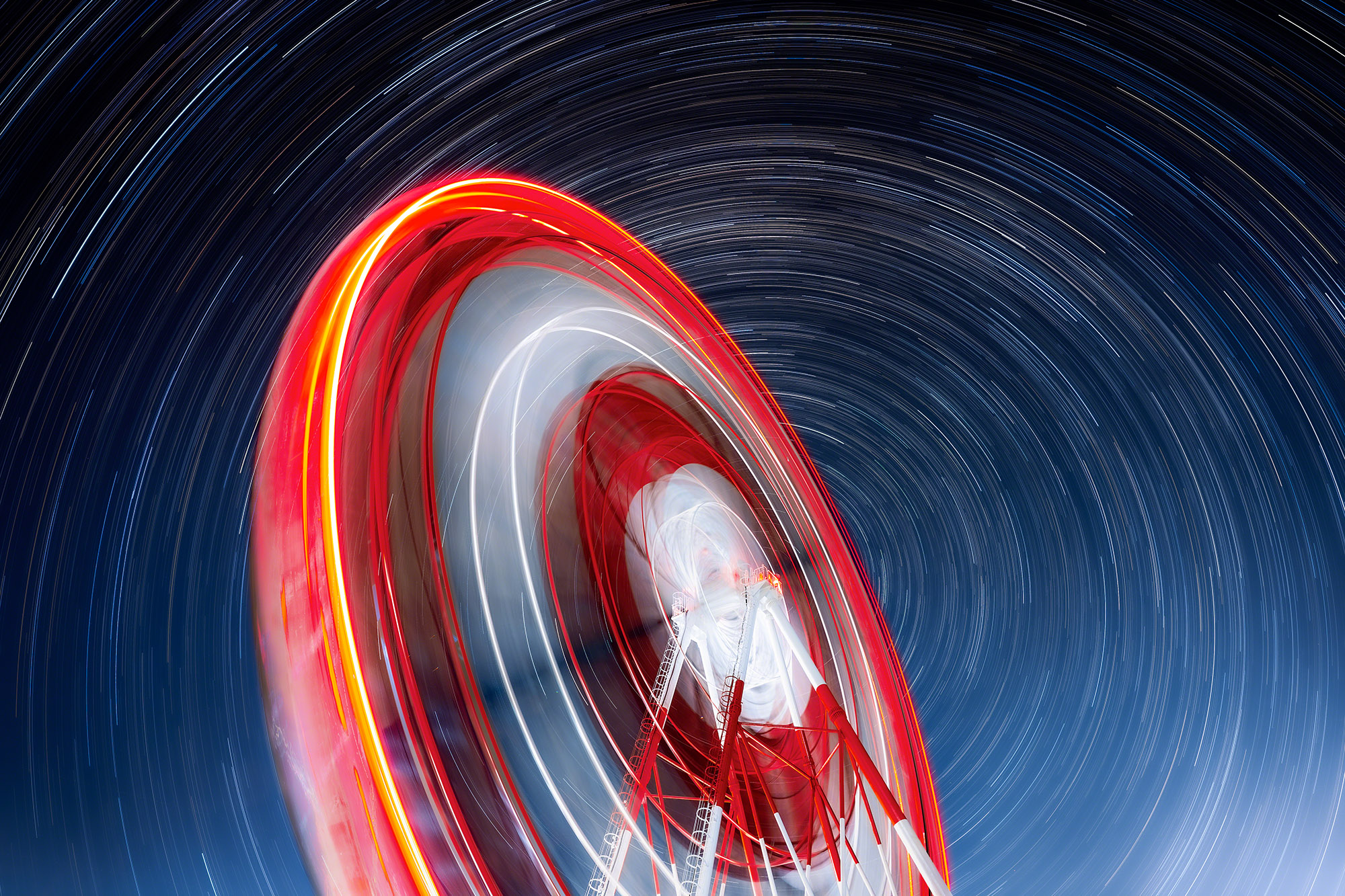
In the northern hemisphere, the stars seem to turn around Polaris, which is near the Celestial Pole of the North. This movement, about 15 degrees per hour from east to west, is caused by the rotation of the earth. The giant wheel Ferris in Mirageland in Uozu only works at night sometimes a year, it measures 66 m (216 feet) high and with a diameter of 62.5 m (205 ft). It takes about 15 minutes for the wheel to make a complete circle.
Credit: Takanobu Kurosaki / Zwo astronomy photographer of the year Takanobu Kurosaki
Very congratulated
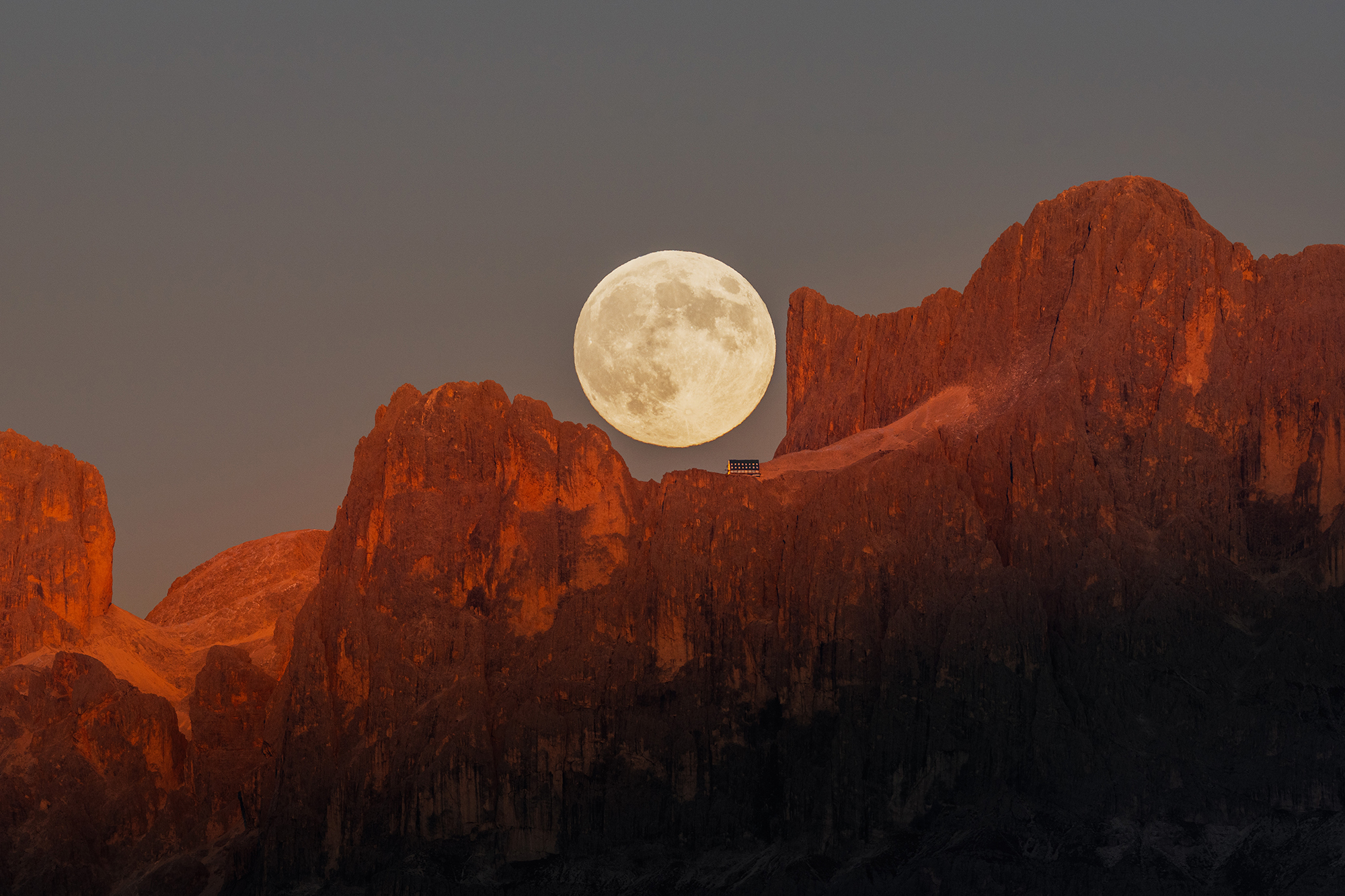
The full moon rising above the rugged peaks of the Dolomites. Without clouds in sight and in impeccable conditions, the golden light of sunset bathes the mountains, creating the harmony between the earth and the sky.
Credit: Fabian Dalpiaz / Zwo Astronomy Photographer of the year Fabian_dalpiaz

Winner
This image shows the international space station making an attentive passage from our moon. The event should be a transit but ended up being an overview. However, the result is always dramatic, with the sunscreens of the station against the rising sun. In particular, white radiators can also be seen and are illuminated by the earth of the earth rather than by direct sunlight.
Credit: Tom Williams / Zwo Astronomy of the Year
Very congratulated
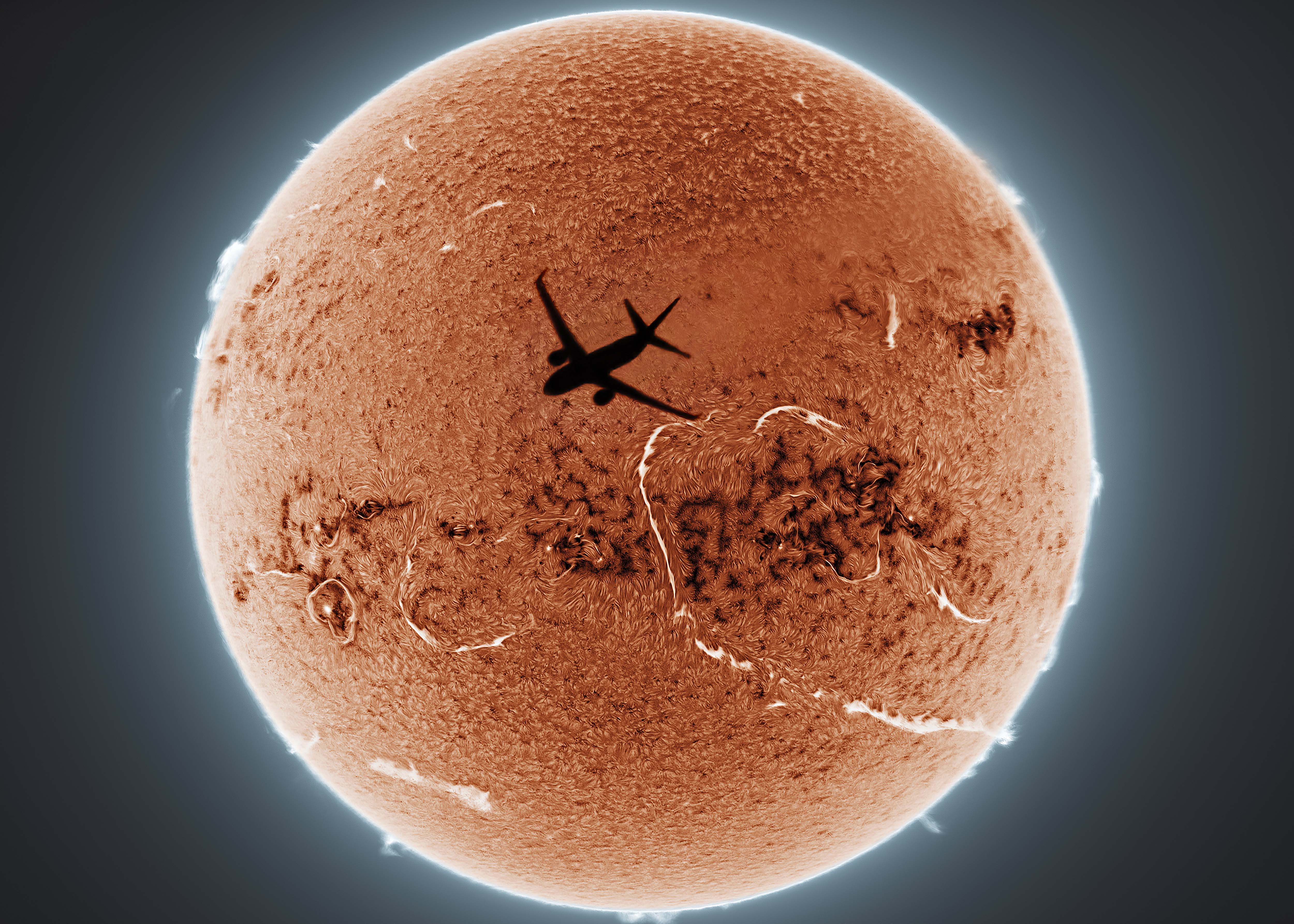
During an accelerated routine observation of the solar chromosphere [thin, reddish layer of the Sun’s atmosphere above the visible surface]Zhang Yanguang captured a fortuitous moment frozen in time.
Credit: Zhang Yanguang / Zwo astronomy photographer of the year
Very congratulated
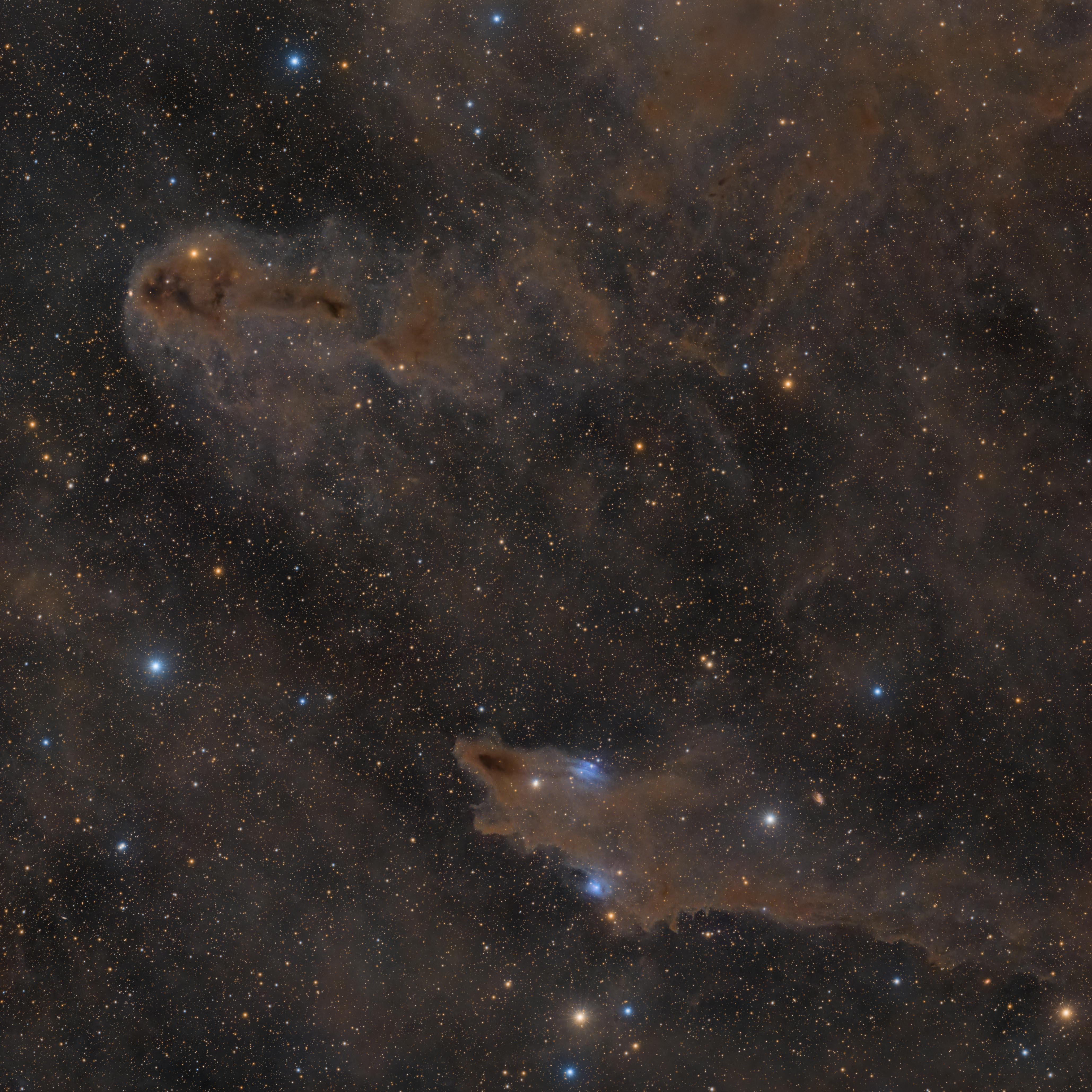
This image shows various objects, from dark nebula to nebula of reflection and even a few distant galaxies. All the nebulae in the foreground are part of the Molecular Cloud Complex of Cepheus, a network of molecular clouds (650 to 1,500 light years from the earth) where new stars are born. Some areas are lit by the newborn stars themselves, while others are so dense that they block the optical spectrum of light from them. The most important objects in the image are the shark nebula (LDN 1235) and the rotten fish nebula (LDN 1251).
Credit: Daniele Borsari / Zwo Astronomy photographer of the year
Very congratulated

This image shows Mars, when it has become retrograde [the apparent backward motion of a planet] At the end of May 2024, almost M44, the hives cluster.
This image superimposes photos of the red planet taken every five days, from November 16 (bottom right) and ending on December 26 (top right), which allows us to manage its movement to the east, until it overturns on December 6 and begins to move to the west.
The planet does not really decrease, but the different speeds of orbit of the earth and Mars, in this case, create this optical illusion, known since ancient times, and is probably one of the reasons why certain stars have become known as “ vagabonds ” or, in ancient planets.
The apparent retrograde movement occurs in different places along the ecliptic [the Sun’s apparent path through sky] But, by chance, this time occurred near one of the most beautiful clusters of stars in the northern hemisphere, the pile of hives.
Credit: Astronomy photographer Andre Vilhena / Zwo of the year
Winner
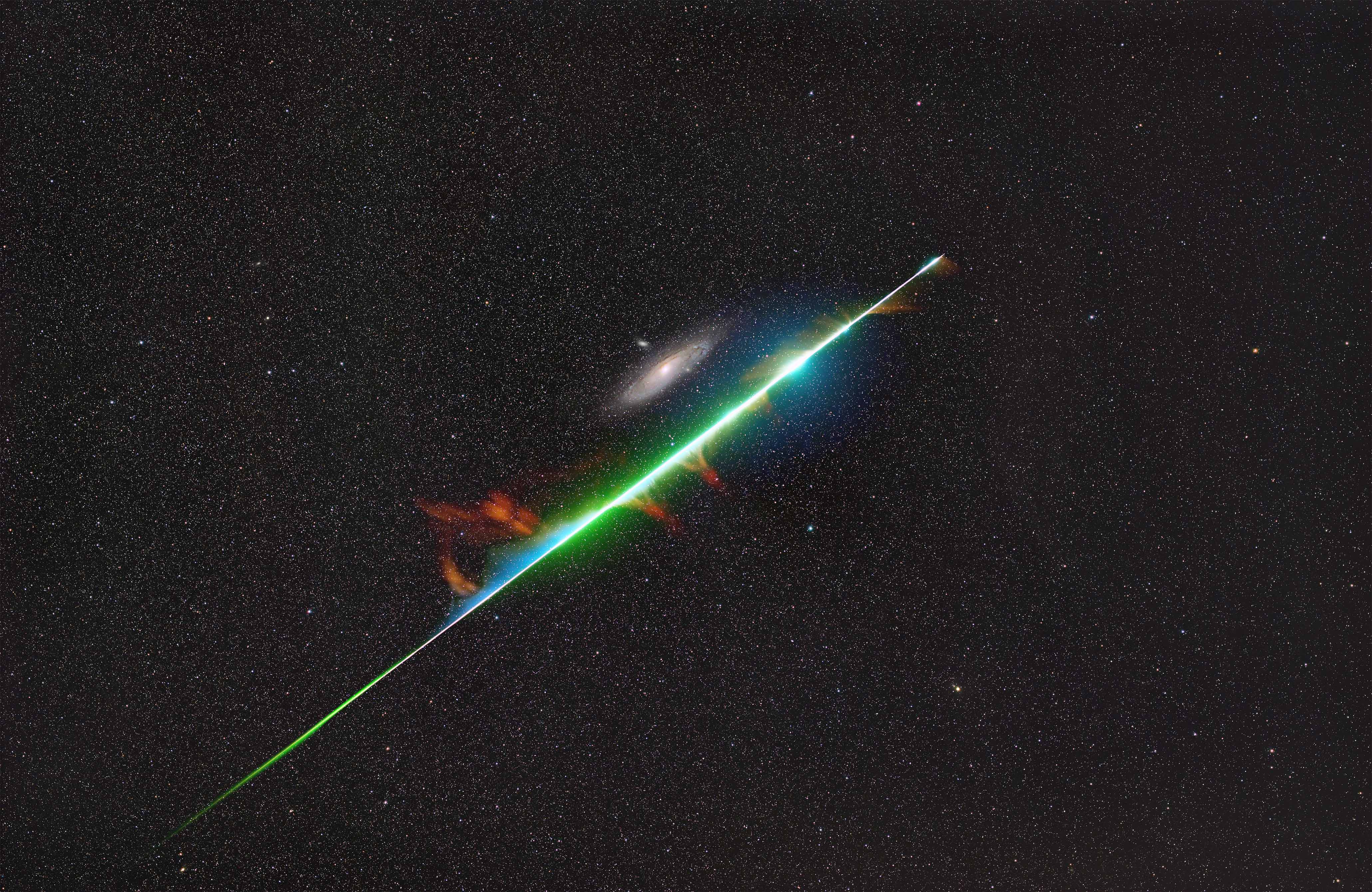
This photograph captures a lump sum moment when a shiny ball of the Perseid meteor shower seems to graze M31, the Andromeda galaxy.
Originally, the photographers had only planned to capture a close -up of the M31 galaxy. Recovering the camera the next morning, they discovered this wonderful surprise.
Credit: Yurui Gong, Xizhen Ruan / Zwo Astronomy photographer of the year
Very congratulated
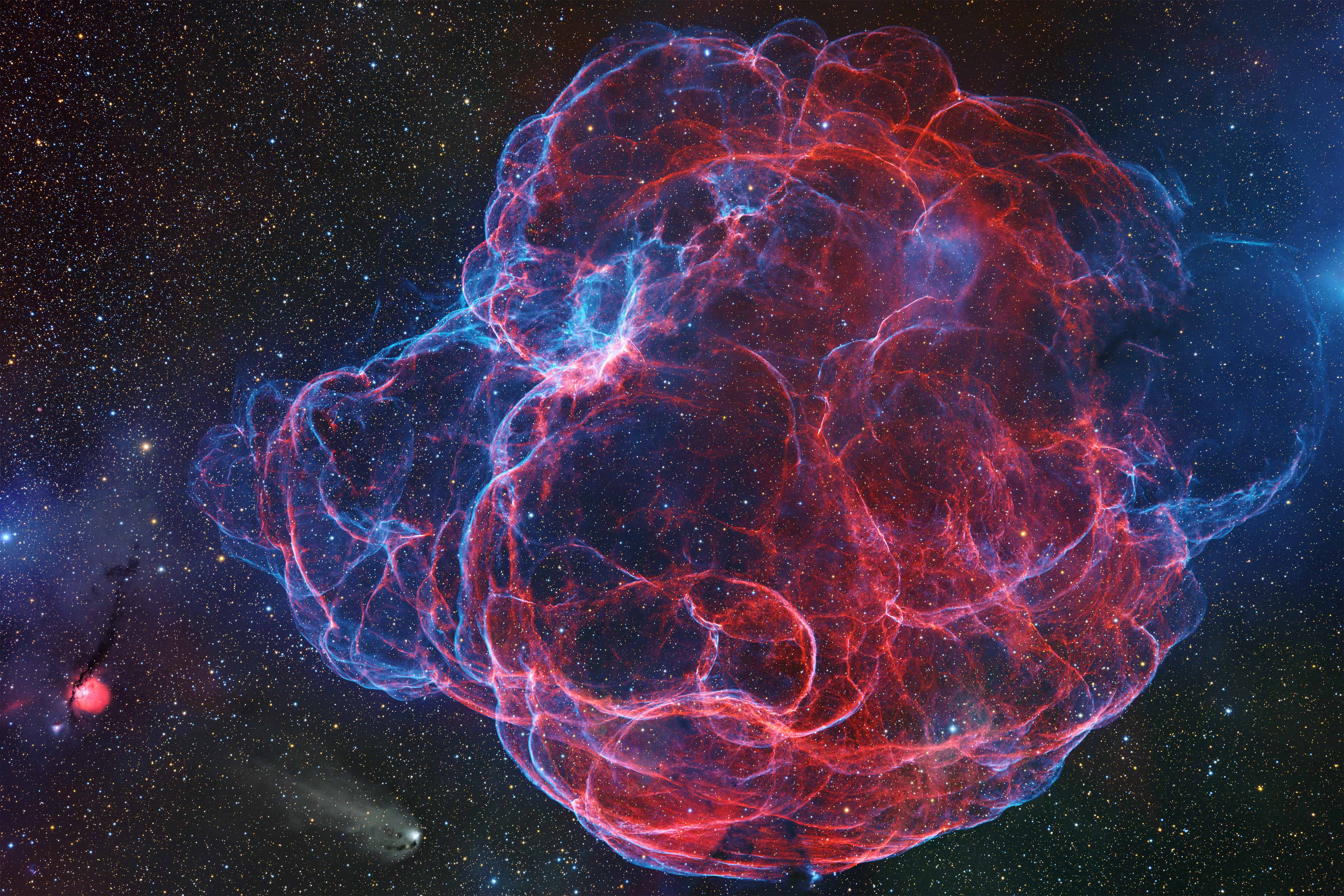
This complete spectrum image of the spaghetti nebula reveals the weak and elusive nature of this rest of Supernova (SNR), hidden behind a large cloud of dust which hinders its light of emission. To improve its visual appeal, Shaoyu Zhang has devoted considerable time to the capture of OIII data, intensifying blue and green hues, while allowing SII and H-Alpha to support a high dynamic range for an additional depth.
Credit: Shaoyu Zhang / Zwo Photographer of Astronomy of the Year
Finalist
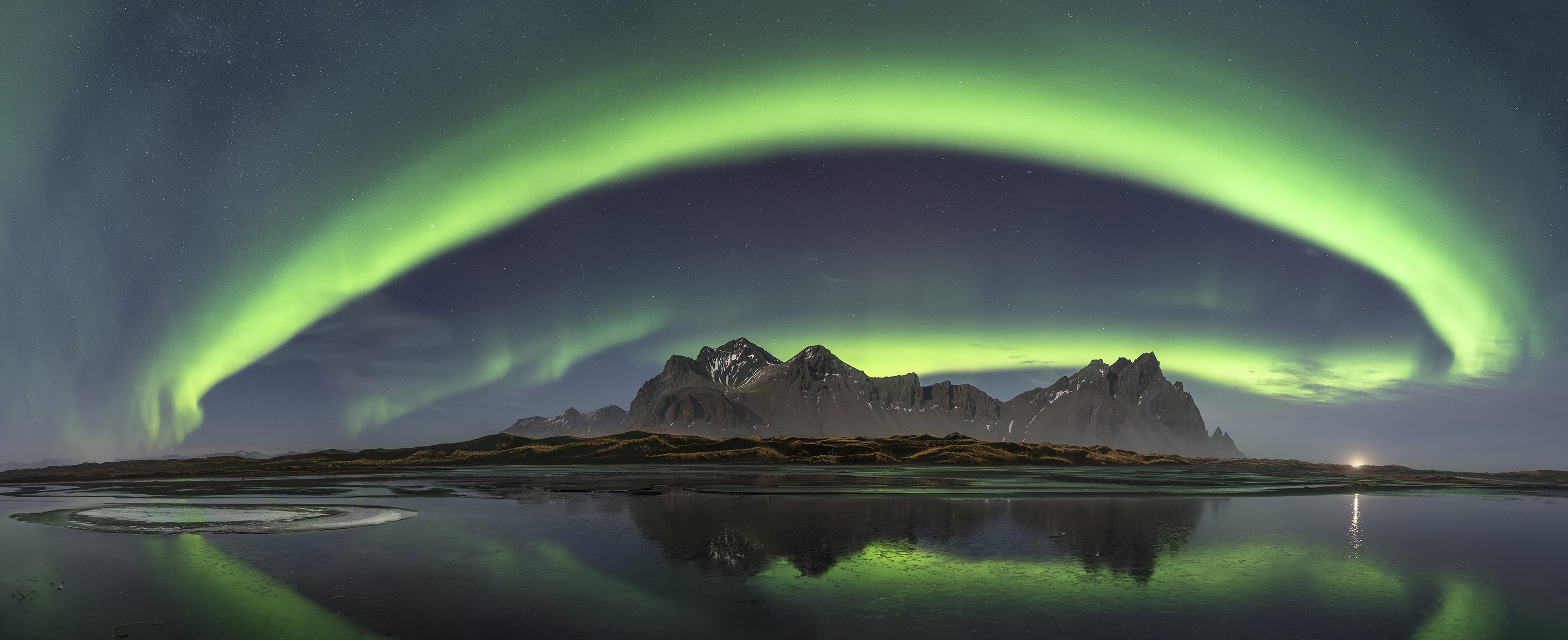
This image shows an intense dawn, forming an immense arc which lasted more than 180 °. A sign of gigantic and perfect green neon illuminated the whole sky.
Credit: Luis Vilariño / Zwo Astronomy Photographer of the Year

Very congratulated
This image captures the conjunction of the moon and Saturn, when they were exceptionally close in the night sky. It was an ideal night for astrophotography, with a clear sky offering perfect visibility. The image is a mosaic with seven panels, carefully sewn to present the surface of the moon in amazing details and Saturn in all its glory in the black backdrop of space.
Credit: Shamiqh Gajdhar / Zwo Astronomy photographer of the year

Very congratulated
This close -up of the moon shows, among other things, the main crater Aristarchus with its nine secondary craters. It has a diameter of 40 km (25 miles) and is located in a region visible at the front of the lunar surface.
Credit: Raul Cantemir / Zwo Astronomy Photographer of the year
Very congratulated
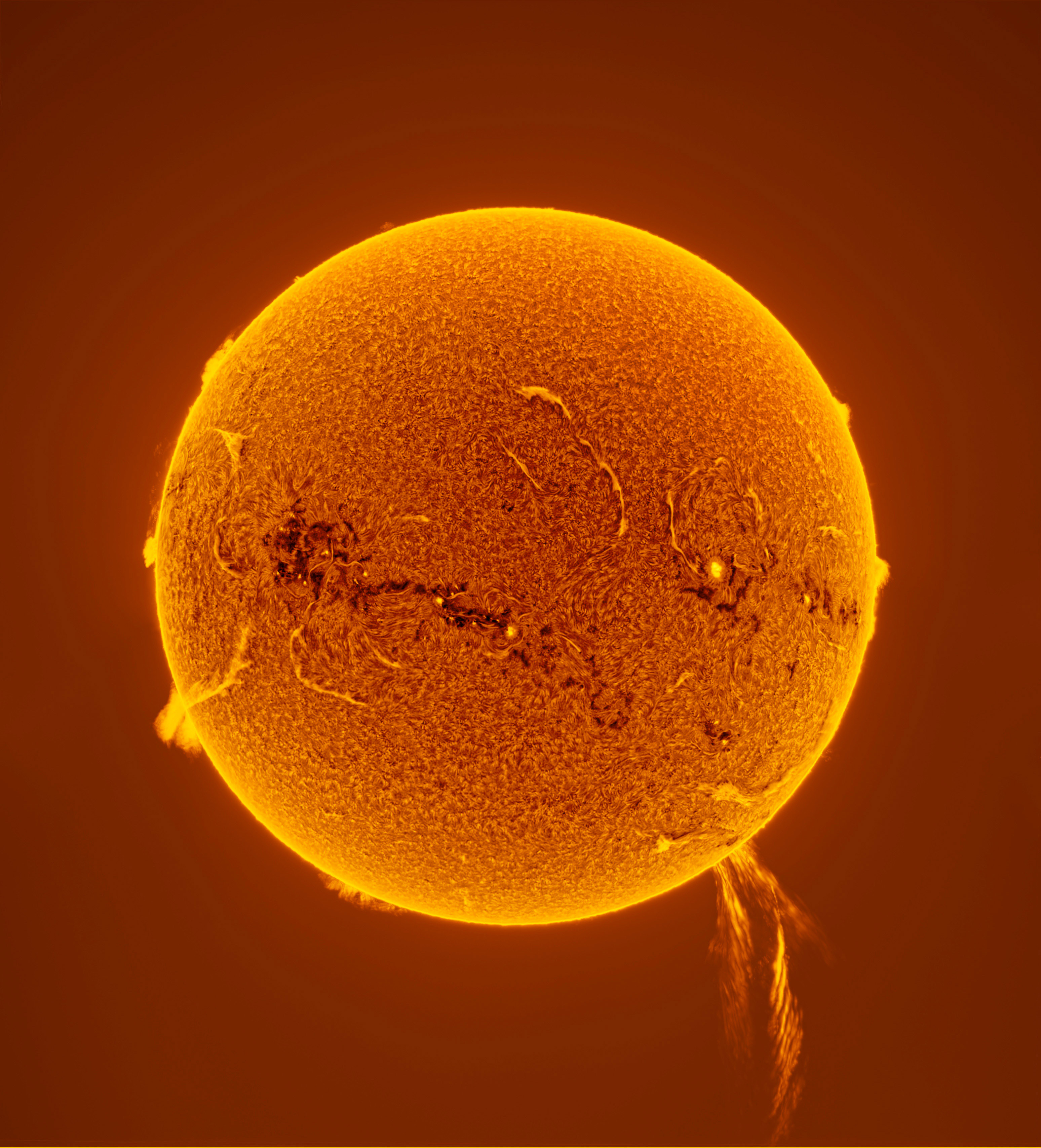
On November 7, 2024, the sun experienced a massive solar prominence eruption, with a length of more than 500,000 km (311,000 miles). The eruption lasted about an hour from its initial explosion to its conclusion. The prominence eruption phase is made up of more than 20 stacked data sets highlighting the entire process of this spectacular event.
Credit: Pengfei Chou / Zwo Photographer of Astronomy of the Year

More offers, reviews and purchasing guides

:max_bytes(150000):strip_icc()/Health-chocolate-bar-recall-0c140e40625b4e04a848c57f7536836c.png?w=390&resize=390,220&ssl=1 "FDA Announces Recall of Chocolate Bars Sold Nationwide Over Salmonella Contamination")

:max_bytes(150000):strip_icc()/Health-GettyImages-2199710989-0f6e76da438445b99d8bbc4e4e09929e.jpg?w=390&resize=390,220&ssl=1 "10 Surprising Foods That Aren’t as Protein-Rich as You Thought")