
NEWYou can now listen to Fox News articles!
EXCLUSIVE: North Carolina’s state auditor said he is looking forward to making a positive impact on taxpayers by implementing a state version of Department of Government Efficiency (DOGE).
In an exclusive interview with Fox News Digital, North Carolina state auditor Dave Boliek said his office would look into how the state government can be more efficient and utilize the resources it has in the “best possible way” for taxpayers. He plans on doing that through House Bill 125, a state-level DOGE initiative named after him that recently passed the legislature.
“It helps to give our office and the state auditor’s office more resources to take a look at efficiencies and ways to really drill down on determining a good return on investment of taxpayer dollars across North Carolina,” Boliek said.
“I really support the effort,” he said, in part. “We’ve got the team in place, and we’ve got the ability to really get effective results.”
DOGE PREPARES TO LITERALLY DRAIN THE SWAMP BY BANISHING BIDEN’S ‘OVERREACHING’ WATER RULE
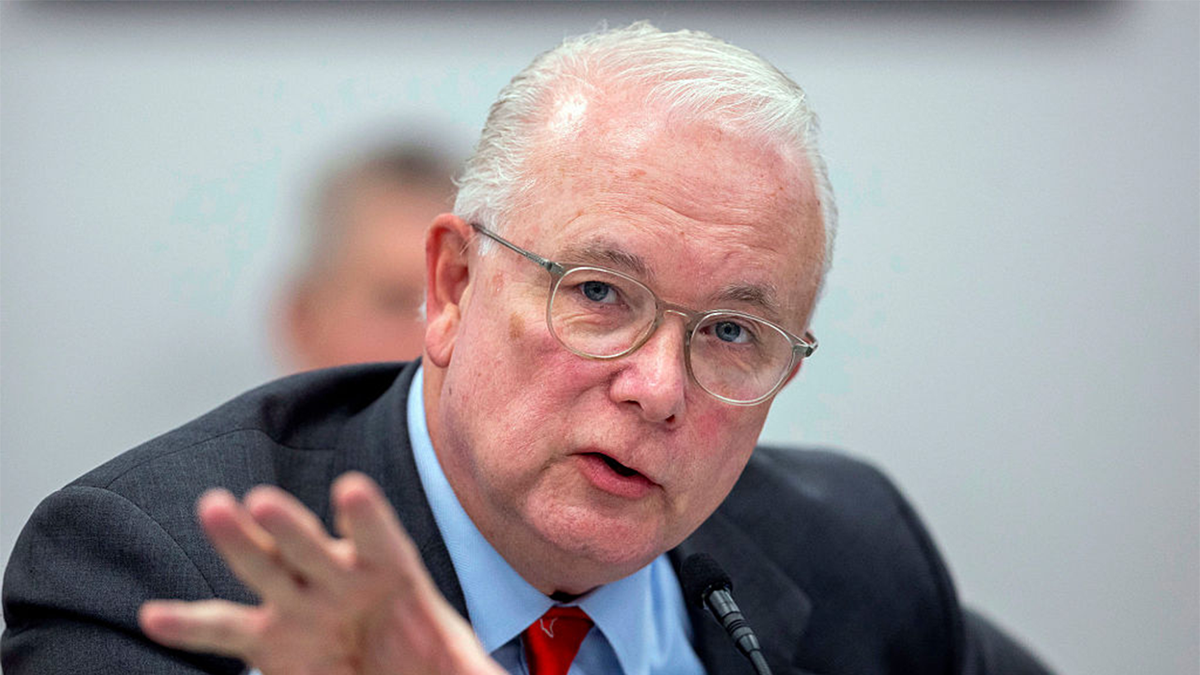
North Carolina state auditor Dave Boliek said he is looking forward to “keeping government accountable” by cutting wasteful spending through a state form of DOGE. (Getty Images)
The bill includes a provision for the state auditor to establish a Division of Accountability, Value and Efficiency, otherwise known as the DAVE Act. The bill passed the legislature last week with bipartisan support – a 91-23 vote in the House and a 47-2 vote in the Senate.
The measure now sits at Gov. Josh Stein’s desk, and while it is unclear if he will sign the measure into law, the ability to override a potential veto is there with a Republican majority in both chambers and enough Democrat support.
“It will become law. I’m very confident that it will,” Boliek said.
Boliek explained that his office will be taking a “data-driven approach” to determining the best “return on investment in taxpayer dollars.” He also said his office will look across the entire state government to identify where it can be more efficient rather than focusing on specific key areas.
“I think it’d be unfair to sort of pick out one specific area where we see cuts are necessary because we haven’t taken that deep dive yet, but we are going to use modern computer programs, we’re going to use AI and we’re going to use a lot of data analysis to come up with solid common-sense recommendations,” he said.
TEXAS CREATES ITS OWN VERSION OF DOGE AS GOV. GREG ABBOTT SAYS REGULATORY ENVIRONMENT IS ‘TOO BURDENSOME’
Unlike DOGE, the goals of the DAVE Act include allocating funds to areas where there are not enough resources, in addition to eliminating wasteful spending.
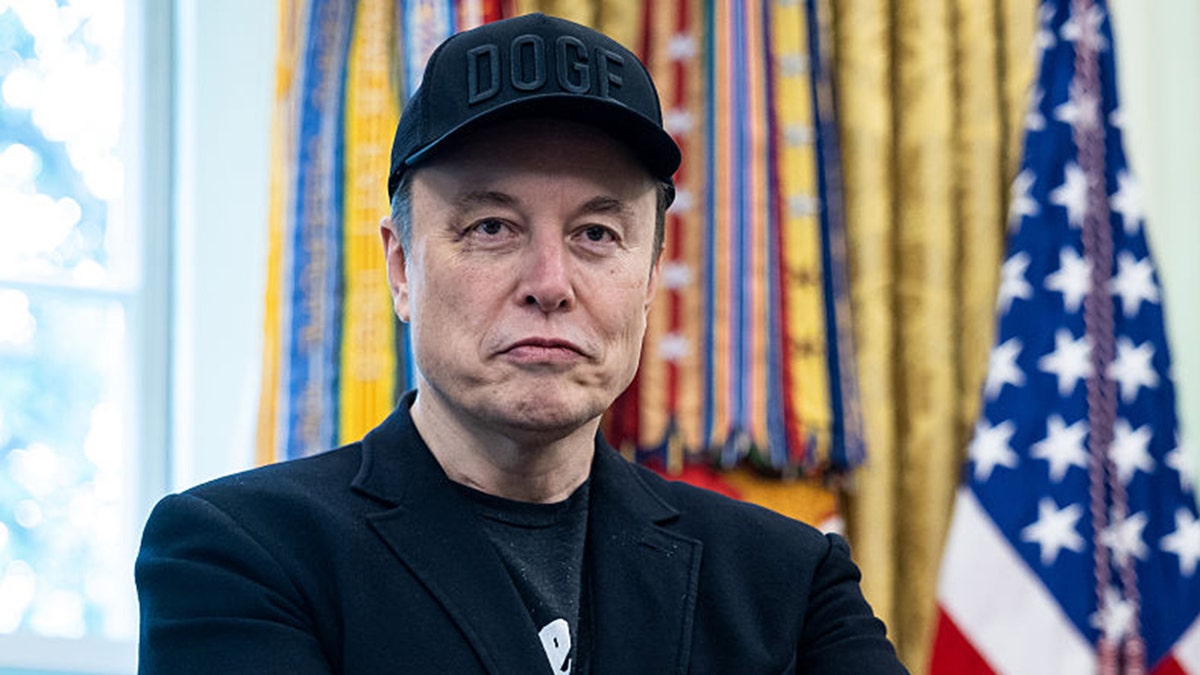
DOGE was led by Elon Musk before he later departed the federal government when his 130-day term as a special government employee was up. (Francis Chung/Politico/Bloomberg via Getty Images)
Boliek said the legislature has asked for open positions in the state to be examined to determine why the roles are unfilled and, if necessary, what needs to happen in order to fill them.
“I don’t think we’re limited to just looking at cutting only. There may be areas where the state is responsible for serving citizens, and we’re not putting in enough resources. The legislature has been very clear about giving us that freedom to take a look at those areas as well, like where we are underfunding certain things,” Boliek added.
When asked about areas the Trump administration focused on with DOGE that Boliek could continue with at the state level, he said he wants to pursue initiatives in a data-driven way to ensure his office is backing up its recommendations for cuts or enhancements with “solid data” and “not just a feeling.”
“The approach should be to take a look at how taxpayer dollars are being spent and ask ‘what is the return on investment?’ If we’re spending tax dollars on a specific program, the real question is what kind of return are taxpayers getting for that amount of money? And that, I think, will drive decisions on recommendations,” he said.
DOGE REVEALS WHAT YOU GET FOR THE HALF MILLION YOU’LL PAY IN TAXES OVER YOUR LIFETIME
Boliek said “taking a look at how dollars are appropriated is really important” and he pointed out the need for “relief-type bills,” including for hurricane relief following the devastation left in the state last year by Hurricane Helene.
“It’s one thing to expend money and appropriate money, it’s another thing to appropriate money with some measurables,” he said. “That’s really going to be key to us being able to be the most efficient. The auditor’s office here in North Carolina is well situated to assist with the monitoring of measurables on the expense of appropriated dollars.”
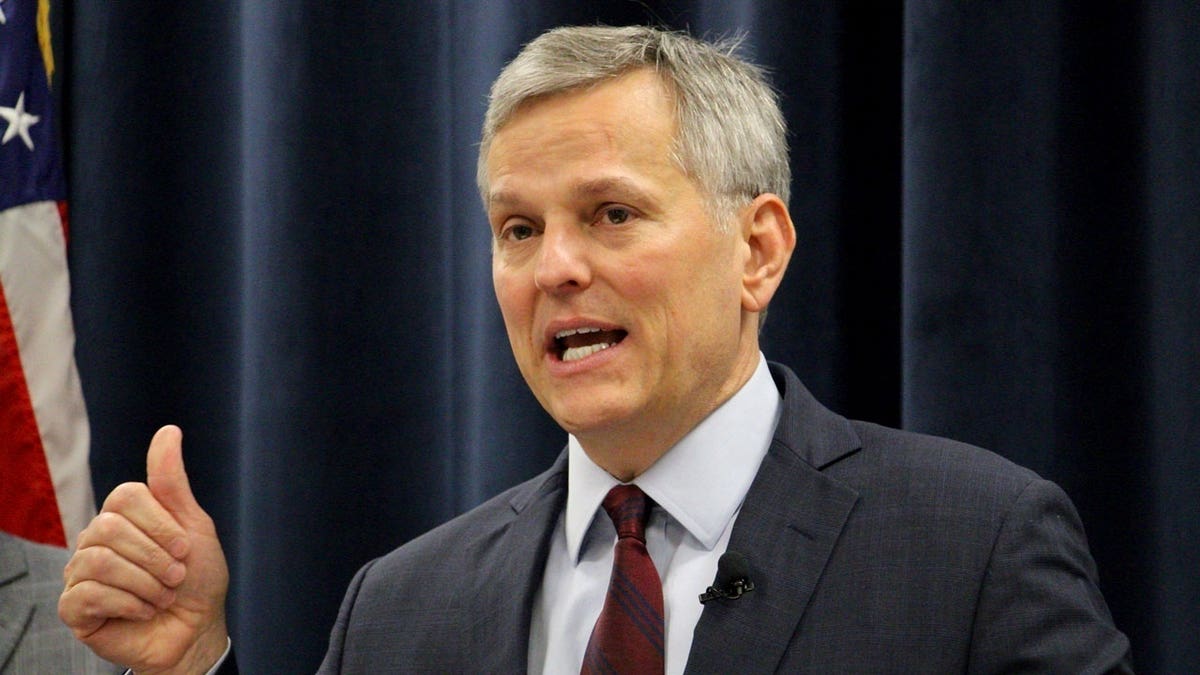
House Bill 125 has been sent to Democrat Gov. Josh Stein’s desk. (AP Photo/Hannah Schoenbaum, File)
CLICK HERE TO GET THE FOX NEWS APP
As he awaits official enactment of the DAVE Act, Boliek said it is an “exciting time” for his office to be able to have a “real effect” on everyday Americans in the Tar Heel State.
“We want to be able to be relevant to them, and we want to be there so that these citizens of North Carolina know that there’s somebody paying attention and keeping government accountable on their behalf,” Boliek said.


