‘You’ve tarnished Apple’s reputation’: 11 things Apple got horribly wrong over the past 50 years


50 ans d’Apple

Nous célébrons le 50e anniversaire d’Apple avec une semaine de contenu sur le géant de la technologie. Il couvre tout, des souvenirs personnels de nos écrivains aux meilleurs et pires gadgets Apple tels que votés par vous, et vous pouvez tout lire sur notre page 50 ans d’Apple.
Cette semaine marque le cinquantième anniversaire d’Apple, et la société a été un pilier essentiel du paysage technologique pendant une grande partie de cette période.
Nous avons déjà rassemblé les pires gadgets Apple (et, pour équilibre, ses meilleurs gadgets du dernier demi-siècle). Mais les moments ci-dessous représentent ses plus grandes erreurs de jugement en matière de logiciels, de services et de décisions déroutantes en matière de produits.
L’article continue ci-dessous
Nous sommes de grands fans d’Apple quand il fait les choses correctement – ce qui arrive le plus souvent – mais même le fan le plus endurci doit admettre que la société a abandonné d’énormes bruits technologiques, parfois hilarants…
1. MobileMe — ou devrait-il s’agir de « MobileMess » ?

Avant iCloud, il y avait MobileMe, lui-même issu d’iTools et de .Mac. Ce service payant a agi de manière très similaire à ce que nous attendons des services cloud aujourd’hui, comme offrir un stockage cloud qui fonctionne sur Mail, Contacts, Calendriers et plus encore.
Malheureusement, il a rapidement gagné le surnom de « MobileMess » car il était trop peu fiable pour être utilisé par n’importe qui. La synchronisation n’était pas fiable, s’interrompant souvent au moment où vous aviez besoin d’accéder à vos fichiers les plus importants, et de nombreux utilisateurs se plaignaient de la perte d’e-mails.
Ce lancement embarrassant a rendu furieux Steve Jobs, qui aurait rassemblé l’équipe de développement et leur aurait dit : “Vous avez terni la réputation d’Apple. Vous devriez vous détester pour vous être laissés tomber.”
Après avoir fait ses débuts en 2008, il a été mis hors ligne en 2012 et doté d’iCloud, beaucoup plus fiable. Si vous avez déjà maudit un problème de synchronisation iCloud, estimez-vous chanceux de ne pas utiliser MobileMe à la place.
2. Cette souris « rondelle de hockey »

Avez-vous déjà vu un iMac G3 ? Ils ont aujourd’hui une grande qualité rétro, mais en 1998, ils représentaient l’avenir – un regard aux couleurs vives sur l’avenir informatique de demain.
Le problème était que la souris fournie, la Apple USB Mouse, était circulaire. Si vous avez déjà utilisé une souris (et il y a de très fortes chances que vous, lecteur averti de TechRadar, l’ayez), vous saurez que tenir une souris circulaire n’est guère propice à une forte prise ou à faire beaucoup de choses.
Combinez cela avec un câble court et vous obtenez une recette complète pour les crampes aux mains. Le pire ? Apple a persévéré pendant deux ans.
3. Le grand tâtonnement d’Apple Maps

Bien qu’Apple Maps soit devenu un service de cartographie très fiable, son lancement était une légende – et pas pour des raisons positives.
Apple souhaitait supprimer Google Maps de ses appareils et a commencé à travailler sur sa propre application de cartes. Il a été lancé en septembre 2012, et presque tout ce qui pouvait mal tourner a mal tourné. C’était un échappé de la taille d’Apple Park.
Des informations de localisation incorrectes, des directions peu fiables et l’incapacité d’Apple à lire la pièce en cas de tensions géopolitiques ont toutes été critiquées par les utilisateurs. Incroyablement, le nouveau PDG Tim Cook a en fait demandé aux utilisateurs de regarder leurs concurrents pendant que iOS Maps était en cours de correction.
“Pendant que nous améliorons Maps, vous pouvez essayer des alternatives en téléchargeant des applications cartographiques depuis l’App Store comme Bing, MapQuest et Waze, ou utiliser les cartes Google ou Nokia en accédant à leurs sites Web et en créant une icône sur votre écran d’accueil pour leur application Web”, a-t-il déclaré à l’époque dans une lettre ouverte sur le site Web d’Apple.
Même si Apple Maps est désormais un bien meilleur produit – certains diraient même meilleur que Google Maps – pour certains, il sera toujours entaché par ce lancement.
4. La montée et la chute rapide du Ping

Que vous soyez un inconditionnel d’iTunes ou que vous utilisiez entièrement un autre service, il y a de fortes chances que la suppression d’iTunes Ping soit quelque chose dont vous n’aviez même pas réalisé.
Présenté par Steve Jobs comme un croisement entre Facebook, Twitter et iTunes, l’idée était de faciliter le partage de musique avec vos amis et votre famille, de voir ce qu’ils achetaient et d’être accessible sur iPhone et iPod Touch.
Malheureusement, Ping a été de courte durée : Apple l’a lancé en septembre 2010, et il a disparu deux ans plus tard.
Tim Cook, qui n’a pris ses fonctions de PDG qu’après le lancement de Ping, a résumé l’accueil terne de Ping avec un euphémisme caractéristique. “Nous avons essayé Ping et je pense que le client a voté et a dit que ce n’était pas quelque chose dans lequel je voulais consacrer beaucoup d’énergie… Allons-nous le tuer ? Je ne sais pas. Nous allons examiner cela”, a-t-il déclaré.
Un mois plus tard, Apple a effectivement examiné cela – et a débranché le pauvre Ping.
5. L’inoubliable erreur de U2
Aimez-vous U2? En septembre 2014, la réponse à cette question n’avait pas vraiment d’importance, car Apple a téléporté Bono and Co. Chansons d’innocence album directement dans votre bibliothèque iTunes.
Les 500 millions d’abonnés iTunes ont trouvé l’album qui les attendait, qu’ils le veuillent ou non. Pour certains, cela provoquait des problèmes d’espace de stockage et ce n’était pas non plus particulièrement facile à supprimer.
Cela a également conduit à des discussions plus approfondies sur la valeur de la musique et a soulevé des suggestions selon lesquelles U2 avait dévalorisé cette forme d’art. Attendez juste d’arriver aux services de streaming, les gars…
6. Le fiasco du clavier papillon
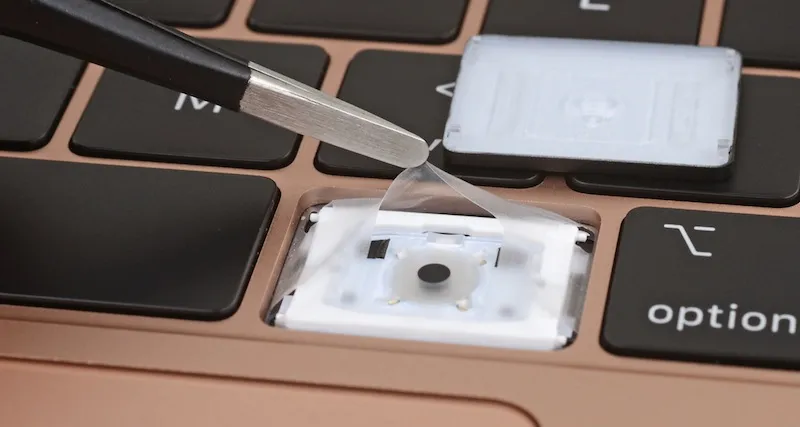
Rien ne résume mieux l’accent mis par Apple sur la forme plutôt que sur la fonction – et les erreurs occasionnelles qui peuvent en résulter – que le fiasco du clavier Butterfly de 2015.
Le MacBook 12 pouces faisait déjà la une des journaux pour le remplacement de l’USB par l’USB-C (qui à l’époque était encore une technologie émergente), mais le système de charnière « papillon » du clavier était un énorme problème pour Apple, d’autant plus qu’il s’agissait également des modèles MacBook Pro et MacBook Air.
De la répétition des touches aux touches qui se détachent simplement pendant l’utilisation, tout cela a coûté des millions à Apple à réparer. Le programme de réparation gratuit a expiré en 2024, donc si votre clavier tombe en panne maintenant, vous n’avez pas de chance.
7. Le téléphone iTunes qui a fabriqué les iPod est incroyable
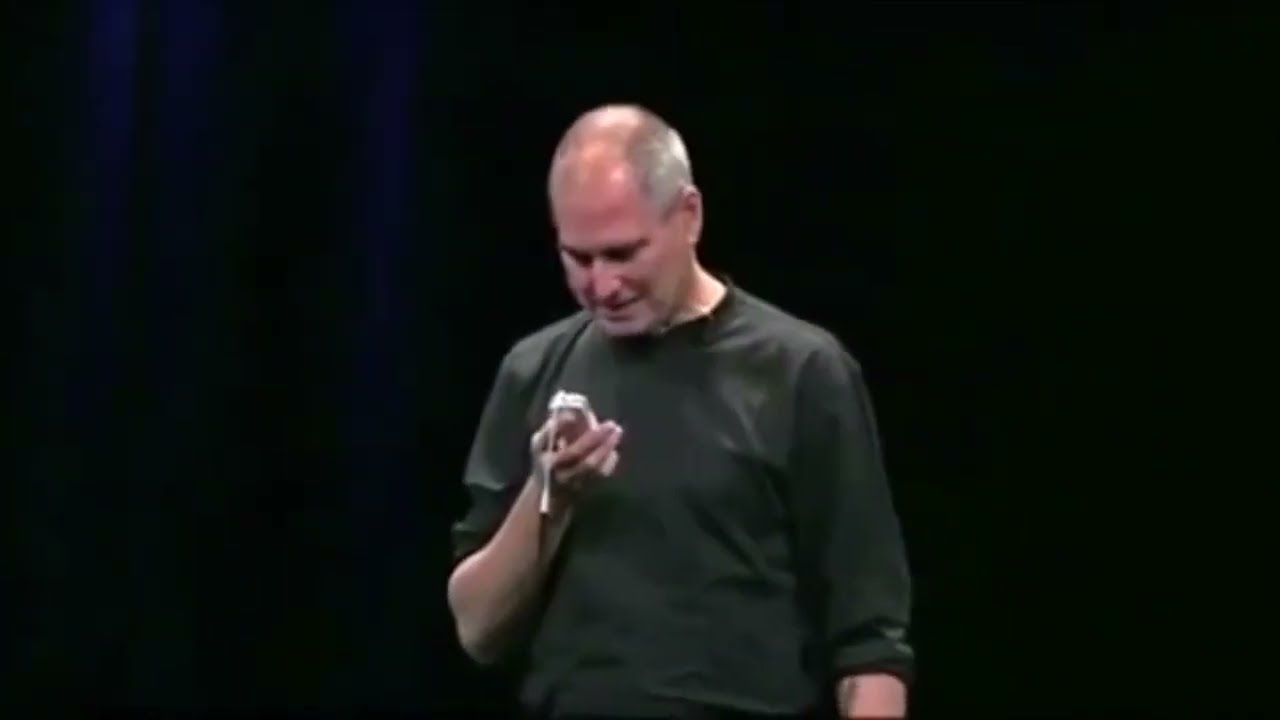
Regarder dessus
Si vous cherchiez un moyen d’emporter votre bibliothèque iTunes en déplacement en 2005, votre seule option en dehors de l’iPod d’Apple était le Motorola ROKR E1.
Vous n’en avez pas entendu parler ? Nous ne vous en voulons pas. Présenté comme le téléphone qui vous permet d’emporter votre bibliothèque iTunes n’importe où, il présentait deux inconvénients majeurs.
D’une part, ses vitesses USB 1.1 signifiaient que le déplacement de fichiers vers et depuis l’appareil était extrêmement lent. L’autre problème était que cela permettrait uniquement aux utilisateurs de télécharger 100 chansons afin de protéger les ventes d’iPod.
Ce n’est pas vraiment un bon argument de vente – et il est incroyable de penser que 15 mois seulement après la vidéo ci-dessus, Apple présenterait l’iPhone et ferait immédiatement ressembler tous les « téléphones musicaux » à de l’histoire ancienne.
8. Le port de chargement se trouve où ?

De temps en temps, Apple prend une décision qui semble avoir pu être évitée en demandant à une seule personne en dehors de la salle de conception ce qu’elle en pensait.
L’un d’eux enterrait le bouton d’alimentation du Mac Mini sous le mini PC par ailleurs incroyable. Mais l’exemple le plus célèbre est la Magic Mouse (deuxième génération). Dans la moitié supérieure, c’est tout ce qu’Apple fait si bien : c’est une excellente souris, confortable dans la main et élégante, tout en prenant en charge les gestes fluides. En bas ? Le port de chargement.
Cela signifie que si vous souhaitez utiliser l’ordinateur tout en chargeant la souris (un cas d’utilisation peu déraisonnable), vous devez le brancher et utiliser une autre souris pendant qu’elle s’allume.
Apple a ensuite stupéfié le monde informatique en doublant cette décision avec une Magic Mouse repensée en 2024, ce qui est un exemple rare d’un produit de consommation qui est également un appât de rage immaculé.
9. RIP AirPower, parti trop tôt
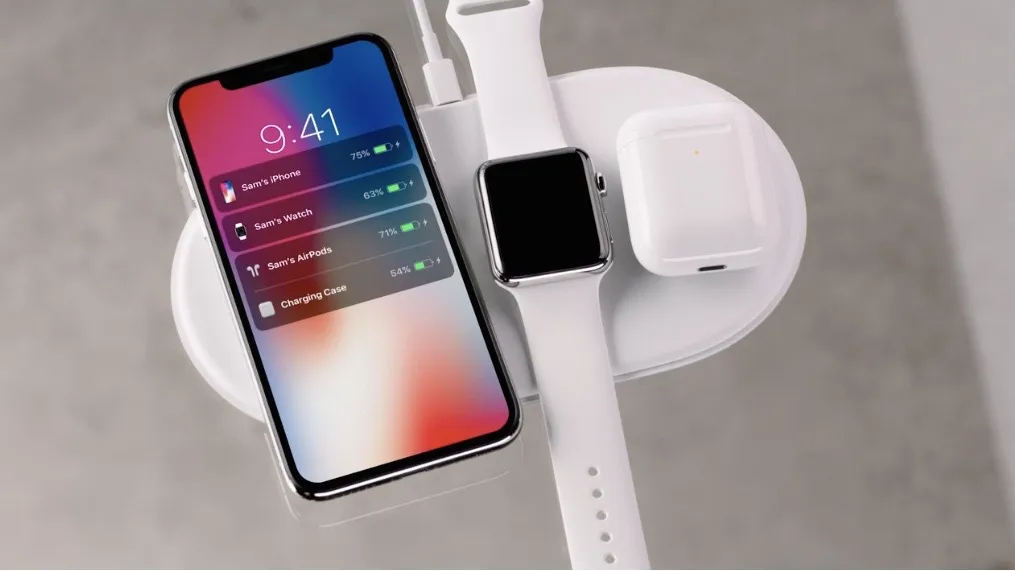
L’événement Apple « Rencontrons-nous chez nous » de septembre 2017 restera dans les mémoires pour beaucoup de choses, y compris l’iPhone X – ce qui est une bonne chose, étant donné que l’un des produits annoncés n’a jamais été expédié.
Les iPhone 8 et 8 Plus ont été éclipsés par la révélation de l’iPhone X, le premier iPhone à supprimer le bouton d’accueil et à opter pour un affichage tout écran. Son prix de 999 $ a attiré beaucoup d’attention, tout comme AirPower.
Un tapis de chargement destiné à charger votre téléphone, vos AirPods et votre Apple Watch en même temps, quel que soit l’endroit où vous les posez, était presque une évidence pour une entreprise qui a lancé les trois la même année.
Malheureusement, des problèmes de fabrication avec le prototype ont fait qu’AirPower n’a jamais été commercialisé, certains rapports suggérant que les premières unités d’Apple avaient du mal à dissiper la chaleur et faisaient également fondre le plastique – ouf.
10. Antennagate, ou comment se creuser un plus grand trou

L’iPhone 4 a fait ses débuts en 2010 avec un nouveau design qui donnait à votre iPhone 3GS un aspect ringard en comparaison, mais le nouveau cadre métallique qui faisait également office d’antenne détenait un secret – ou, plus précisément, ceux qui le détenaient constateraient que son signal s’arrêterait.
Apple a initialement affirmé que les utilisateurs « se trompaient ». Eh bien, Apple n’a pas exactement dit cela, mais il a déclaré dans une déclaration erronée : « Saisir n’importe quel téléphone mobile entraînera une certaine atténuation des performances de son antenne, certains endroits étant pires que d’autres en fonction de l’emplacement des antennes. C’est une réalité pour chaque téléphone sans fil. Si jamais vous rencontrez cela sur votre iPhone 4, évitez de le saisir dans le coin inférieur gauche de manière à couvrir les deux côtés de la bande noire de la bande métallique, ou utilisez simplement l’un des nombreux étuis disponibles. »
Ce problème est rapidement devenu suffisamment répandu pour inciter Apple à éventuellement présenter des excuses officielles et à offrir des étuis pare-chocs gratuits aux utilisateurs concernés.
Heureusement, l’iPhone 4S, lancé l’année suivante, partageait le même design visuel mais résolvait le problème de l’antenne.
11. Apple Intelligence, ou son absence

Alors que le reste du monde de la technologie était en ébullition à la recherche de produits et de services d’IA, Apple semblait prendre un départ arrêté et avait du mal à rattraper son retard.
Siri était en retard (pour le dire poliment) lorsqu’il était confronté à d’autres assistants, et même si Apple s’était associé à ChatGPT pour résoudre certains problèmes, il était clair qu’il lui fallait un bond en avant pour rattraper son retard.
Heureusement, c’est ce qui a été promis lors de la WWDC 2024, montrant comment Siri pouvait lire vos e-mails pour en extraire le contexte et bien plus encore. Le problème ? De nombreuses fonctionnalités n’ont pas été livrées, et beaucoup ne le sont toujours pas, près de deux ans plus tard.
La société a fait l’objet de poursuites judiciaires fondées sur de fausses publicités pour les fonctionnalités promises et semble désormais s’associer à Google Gemini pour dynamiser Siri afin de se rapprocher encore plus de ce qui a été promis.
Suivez TechRadar sur Google Actualités et ajoutez-nous comme source préférée pour obtenir nos actualités, avis et opinions d’experts dans vos flux. Assurez-vous de cliquer sur le bouton Suivre !
Et bien sûr, vous pouvez également suivre TechRadar sur YouTube et Tik Tok pour des actualités, des critiques, des déballages sous forme vidéo et recevez des mises à jour régulières de notre part sur WhatsApp aussi.


