The essential guide to visiting Cairo

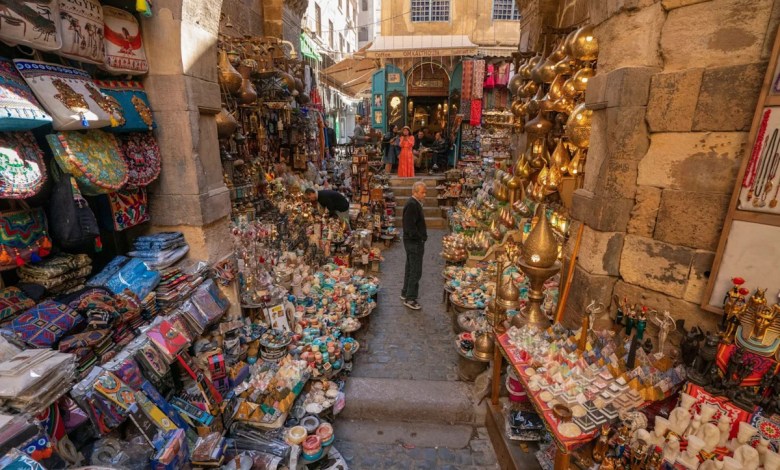
Fueled by sugar and caffeine, Cairo is a city of night, and the energy of its old heart and its rich “New” Cairo is limitless. A city with layers of history; the main attractions are the oldest: the Nile and the pyramids of Giza, which have dominated this frenetic megalopolis for millennia. And documented stories about Egypt’s empires and eras are on display in a museum collection led by the new Grand Egyptian Museum. Our essential guide will help you plan your trip to Cairo to see the highly anticipated museum.
The best times to visit Cairo
Spring: Daytime temperatures are 80°F and nights are ideal for dining under the stars. Housed in a 15th-century palace, the open-air Mamai Restaurant serves classic Arabic grills, including kebab and kofta, accompanied by Egyptian music and whirling dervish performances.
Summer: The city empties as Cairens head to Egypt’s northern coast for a long, hot summer. It’s also low season for travelers, as temperatures reach 110°F; take refuge at the National Museum of Egyptian Civilizations, home of the Golden Mummies.
Autumn: “From October onwards, the weather is mild, the Nile is at its most serene and each ancient site reveals its timeless beauty in perfect light,” says Egyptologist and Cairene Ahmad Aziz, co-founder of travel company High End Journeys. Pack a picnic and cruise down the Nile on a felucca (traditional wooden sailboat) at sunset to view the city’s islands and some remaining farmland from the bridge.

The Grand Egyptian Museum, a must-see site in Cairo, has more than 100,000 artifacts spanning thousands of years of Egyptian history, including the complete collection of King Tutankhamun’s treasures. Antonin Borgeaud, Figarophoto/Redux
Winter: It’s peak tourist season and a perfect time to explore the pre-Giza pyramids of Saqqara and Dashur, just outside Cairo. “Beyond the iconic Giza plateau, I always recommend a visit to Dahshur,” explains Ahmad Aziz. “It’s one of the few places where you can still feel the raw genius of ancient Egyptian engineering without the crowds. Walking through the narrow passageway of the Red Pyramid is unforgettable; it’s Egypt at its purest and most authentic.”
Key areas to explore
Pyramids of Giza and Grand Egyptian Museum: The pyramids have attracted tourists since the Greek historian Herodotus wrote about them in the 5th century BC. New experiences include a few stylish restaurants and a hop-on hop-off electric bus loop. The Grand Egyptian Museum is the key to this “Pyramids district”. Connected to the Giza Necropolis by an elevated walkway, the museum is a well-curated collection of priceless artifacts.
Sharia al-Muizz and Khan al-Khalili: Al-Muizz Street is the main thoroughfare of medieval Cairo. Built in 969 AD, it is lined with palaces, mosques and schools, and is home to modern shisha-scented cafes and artisan workshops sandwiched in between. Visit historic buildings during the day. The street is then considerably lit at sunset. Al-Muizz is adjacent to Cairo’s most famous souk (market), Khan al-Khalili, which has been selling carpets, lamps, gold and jewelry for 600 years, and is one of the best ways to spend a day in Cairo.

This is the ornate interior of St. George Monastery, in Cairo’s Coptic Quarter. Achraf Adel, Getty Images

The Holy Virgin Mary Coptic Orthodox Church, also known as the Hanging Church, is located in Cairo. RobNaw, Alamy
Old Cairo: Ancient Muslim, Christian and Jewish places of worship are intertwined in this neighborhood, also known as Coptic Cairo. Narrow streets lead to the 5th-century Hanging Church, the 9th-century Ben Ezra Synagogue and the 4th-century Church of Saint Sergius and Bacchus, built over the cave where Jesus, Mary and Joseph are said to have taken refuge during their flight to Egypt. Everything placed in its historical context in the Coptic museum.
Where to stay
Marriott Mena House, Cairo: The gates of this former hunting lodge are a 10-minute walk from the entrance, and the windows of this historic hotel’s best rooms perfectly frame views of the Pyramids. The registry of past guests includes royalty and movie stars.
The Nile Ritz-Carlton, Cairo: Situated on the Nile, the hotel overlooks the original Egyptian Museum and the curious can explore the 19th-century architecture of downtown Cairo on foot. Its rooftop bar, Nox, is one of the best places to watch a Nile sunset.
Taste of Cairo
Egyptian cuisine: “Egyptian cuisine is often overwhelmed by Middle Eastern cuisine, but it offers many unique dishes born from its colonial past,” says Laila Hassaballa, co-founder of the gourmet travel company. Bellies on the way. She suggests trying ta’amiya (Egyptian falafel), the national dish of kosharyAnd partya flaky pastry that dates back to ancient times between 1450 and 1500 BC
The best restaurant in town, Khufu’s, overlooks the pyramid of the same name. Currently #4 of MENA’s 50 Best Restaurants, book in for a long breakfast. Otherwise, look partytake out the ovens at the nearby Nine Pyramids Lounge; both restaurants are in the Pyramids paying area.
Ful & ta’amaya: Early in the morning, street carts serve the classic Egyptian breakfast of full (mashed beans with cumin and garlic) and crispy Ta’maya (made from beans and coriander). Try it at Zooba’s casual restaurants; there is one at the Grand Egyptian Museum.
Koshary: The cheapest and favorite dish among Egyptians is a carbohydrate-rich bowl of rice, chickpeas (chick beans) and lentils, which includes a rich tomato sauce, chili pepper and onions, to be eaten at any time of the day. Koshary Abu Tarek, near the Egyptian Museum, has been serving this vegetarian and vegan dish since the 1950s.
Molokhiya: Felfela’s long-standing menu features Egyptian dishes rarely found outside of home. Go for the molokhiyagarlic spinach soup served over rice and a pigeon stuffed with mint-flecked rice.

Watching the sunset over the Nile in Cairo is an experience not to be missed. Sui Xiankai, Xinhua/Eyevine/Redux
Move
By plane: Cairo Airport (40 minutes to an hour from downtown Cairo) is the country’s main airport. Only a few low-cost carriers currently serve the new Sphinx International Airport.
By bus: Bus tickets cost around 50 cents, but the buses are hit or miss, crowded and without air conditioning. Drivers generally do not speak English.
By taxi or carpool: The Uber and Careem apps both work in Cairo, and their set rates make them much less complicated than “broken meter” taxis; all are extremely cheap.
By bike: Cycling is rare in Cairo: the only cyclists you’ll see regularly are boys holding large trays of hot bread on their heads.
By train: Ramses Station, in downtown Cairo, is the terminus for long-distance trains to Luxor, Aswan and Alexandria.
Know before you go
LGBTQ+: Marriage and same-sex relations are illegal; however, it is common for people of the same sex to share a room (in separate beds). Public displays of affection are not tolerated.
Alcohol: Egypt brews its own beer and produces wine. Alcohol is available in bars, some restaurants and liquor stores. Avoid imitation brand alcohol, which can be contaminated and cause blindness or death.
Dress code: Cairo is relaxed when it comes to tourist dress codes; however, modest attire (below the knees) is appreciated. At religious sites, women must cover their hair.
How to visit the city sustainably
Purchases: Carry your own tote instead of using the thousands of plastic bags that Cairans love to use to pack their purchases.
Drink: Single-use plastic water bottles pollute the Egyptian landscape; consider bringing your own reusable water bottle and refilling it in your hotel.
Ethical and eco-responsible shopping: “Ethical shopping involves respecting artisans, their time and their know-how,” explains Khadiga Mofeed of Fairtrade Egypt, which works mainly with women from marginalized communities. “It also respects customers by offering fair, fixed prices and a hassle-free, negotiation-free experience,” she adds. The group’s two stores in Cairo sell decorative items and gifts while promoting cultural crafts that otherwise risk disappearing.
Belinda Jackson is an Australian travel journalist and podcaster who explores the culture and traditions of the Middle East, North Africa and Central Asia. Follow her on Instagram.