the fatal toll of plastic revealed


Helene BriggsBBC environment correspondent

 Getty Images
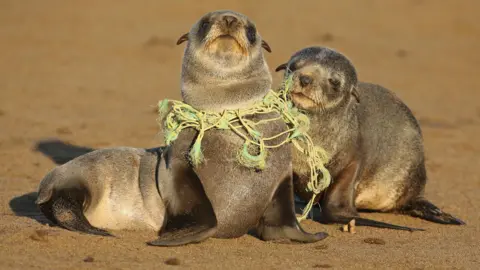
Scientists analyzed 10,000 marine animal necropsies to understand how ingesting plastic leads to death.
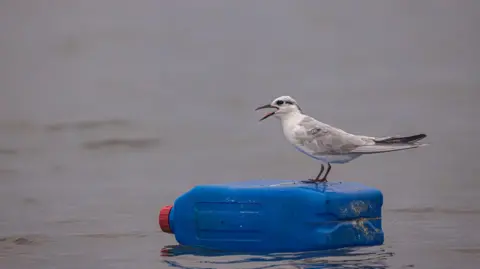
The study reveals that seabirds are at extreme risk after swallowing just 23 pieces of plastic, giving them a 90% chance of dying. Marine mammals reach a similar danger with 29 pieces, while sea turtles must ingest around 405 pieces to reach the same threshold.
Researchers were surprised how plastic can be so harmless: a volume of soft plastic smaller than that of a football can be fatal to a dolphin, while a seabird can die from ingesting a few pieces of rubber smaller than the size of a pea.
They say the findings could help shape global efforts to protect wildlife.
 Getty Images
“This is a very important reminder that plastic pollution poses an existential threat to ocean wildlife,” said lead researcher Dr Erin Murphy of the US-based environmental group Ocean Conservancy.
The analysis used necropsy data from seabirds, sea turtles and marine mammals such as seals, sea lions and dolphins, collected from around the world. Nearly half of the sea turtles studied, a third of seabirds and one in ten marine mammals had eaten plastic.
The researchers estimated the risks of death from ingesting different types of plastic in each group of marine animals.
They discovered the type of plastic material: rubber is the most dangerous for seabirds; soft plastics and fishing debris pose the greatest risk to marine mammals; and hard and soft plastics threaten turtles.
 Getty Images
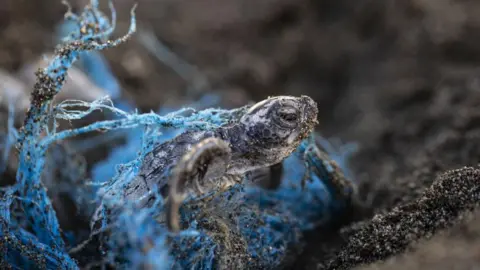
The study looked only at plastics found in animals’ stomachs. It did not assess chemical impacts or entanglement, meaning the true extent of damage is likely higher.
Hundreds of marine species have been discovered with plastic in their bodies. Birds often swallow plastic fragments and turtles mistake plastic bags for jellyfish. However, until now, scientists lacked precise data on how much plastic is fatal to animals of different sizes.
Dr Murphy added: “To effectively tackle plastic pollution, the science is clear. We need to reduce the amount of plastic we produce, improve collection and recycling, and clean up what already exists. »
The research is published in the Proceedings of the National Academy of Sciences.


