The Gaza Deal Opens a Door. We Can’t Let It Close.


October 16, 2025
You would be forgiven for having some skepticism about what happens next.
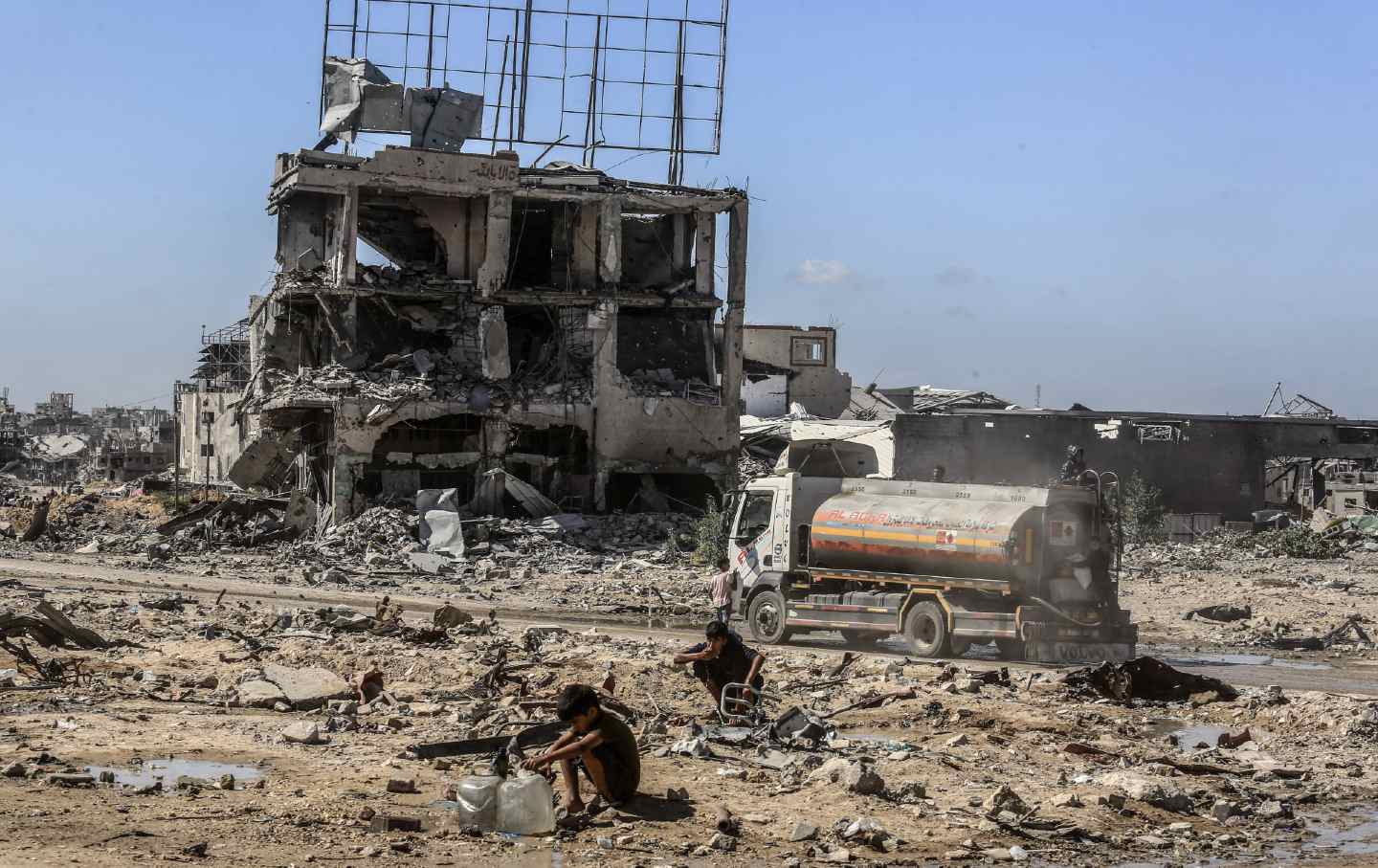
After two long, horrific years of death, destruction and trauma, this weekend, Israel and Hamas finally silenced their guns. This was the first step in implementing the first phase of what will hopefully become what President Trump has called for: a true and lasting peace agreement. This moment marked the first step toward ending a devastating war and unimaginable human suffering. For the families of the hostages finally reunited, this moment brings relief for too long. For the Palestinian people of Gaza, this offers hope that the continued destruction and death will end and they can begin to rebuild their lives and their nation.
But relief alone does not constitute peace. Hope alone is not justice. And implementing the first phase as part of a 20-point plan does not make its achievement inevitable.
If you’ve been following Israeli-Palestinian relations for any length of time, you’d be forgiven for having some skepticism about what’s next. We remember that President Trump presented a 20-point plan during his White House meeting with Prime Minister Netanyahu (but without the participation of any Palestinian voices) last month. So far, the Israeli government and Hamas have only agreed to the first phase of this plan. And while this first phase requires an end to the war, the release of Israeli hostages and Palestinian prisoners and an influx of aid, it does not define a viable structure for how Gaza will be governed or rebuilt. It also does not foresee the entry of the International Security Force envisaged in the 20-point plan to take over from Hamas forces in matters of security.
There are concerns that Trump’s deal could collapse at the end of the first phase. This would leave Gaza divided in two: the urban and seaside areas from which Israel withdrew will continue to be governed by Hamas and will not have the resources to begin reconstruction. And the remaining 53 percent of Gaza will remain under Israeli occupation, and Israeli forces will likely resume their periodic attacks on what they identify as Hamas infrastructure.
That’s a recipe for disaster. The clearest lesson from the October 7 attacks is that Netanyahu’s previous approach to Gazans – locking them in beyond a series of barriers and avoiding any real peace process – was not only a moral but also a strategic failure. The sole use of military force, without diplomatic efforts to resolve the fundamental problems of the Israeli-Palestinian conflict, has increased the grievances and anger of Palestinian public opinion. And no barrier, no matter how big, high-tech or sophisticated, can hold back a people forever.
So how do you avoid getting stuck at the end of the first phase?
Current number
Just as we arrived at the first phase: coordinated and unyielding international pressure on Israeli and Palestinian leaders. Trump’s 20-point plan did not appear ex nihilo at the White House last month. It was a reformulation of ideas that had been circulating in official and second-track negotiations for at least a year, including from the recent Franco-Saudi plan.
The White House plan crystallized following Israel’s failed attempt to assassinate Hamas officials in Qatar in early September. That’s when administration officials began working seriously with the Qataris to end the war.
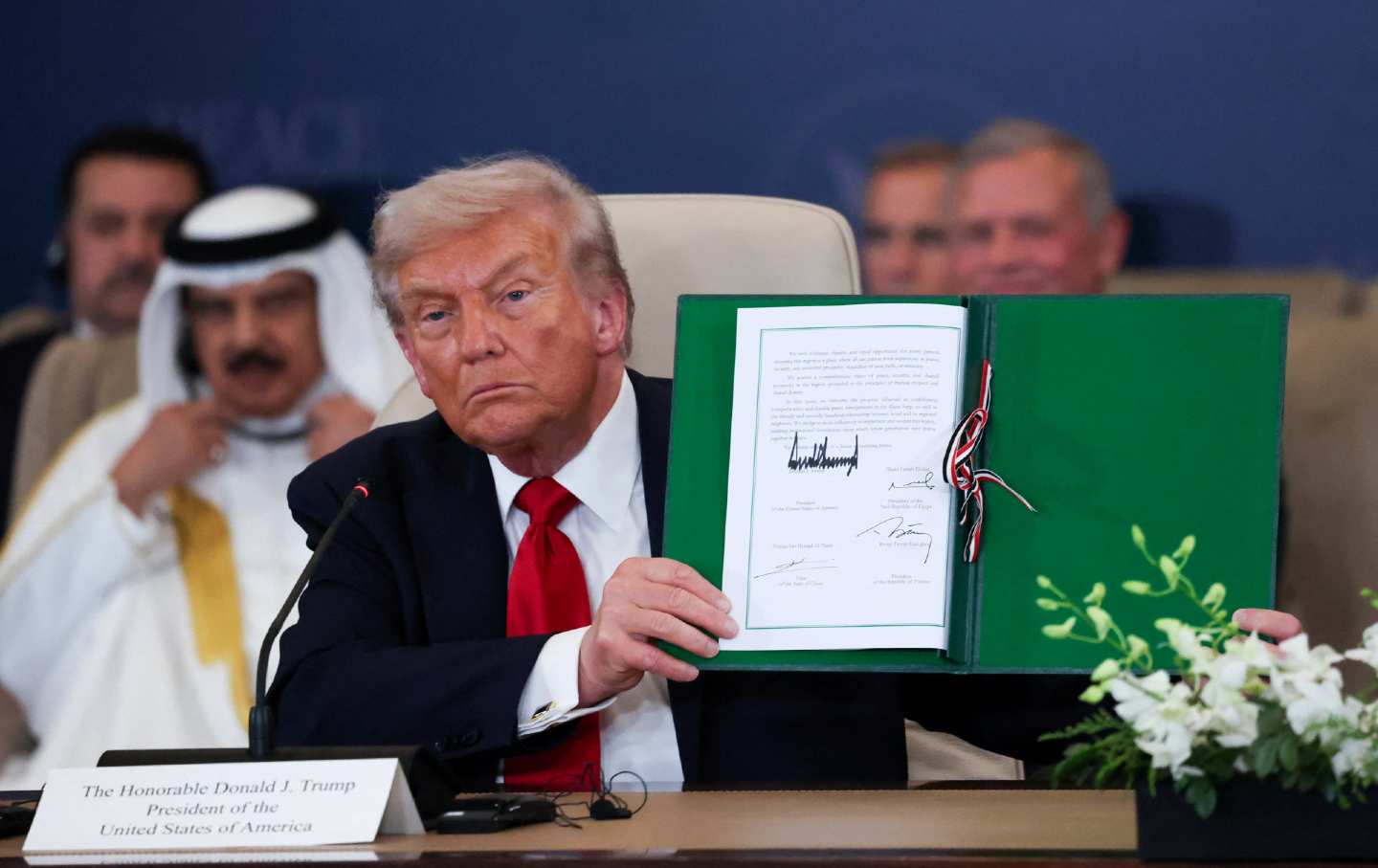
Trump did what he does best: he pressured Prime Minister Netanyahu to accept the plan, and he made clear that any violation by Israel of its spirit would not be tolerated. The Qataris, along with other regional leaders, put similar pressure on Hamas leaders.
This agreement, as limited and fragile as it may be, opens a door that has remained closed for far too long. This door could, with great effort, lead to real peace based on the creation of a Palestinian state in the West Bank and Gaza. But to get through that door, we must see Israeli and Palestinian leaders honor their commitments and continue to accept an agenda that can create a better future for their people – even when that progress conflicts with their own political interests.
Consider two critical tests: Israel is entering an election year in which politicians have strong incentives to differentiate themselves. We have already seen far-right politicians make headlines by making provocative visits to the Temple Mount in Jerusalem. Violent settler activity in the West Bank seems inevitable, especially given the far-right ministers who now control the Finance Ministry, civil administration and police. Will Netanyahu put his own political capital on the line to stop them?
On the Palestinian side, Hamas leaders and Palestinian Authority President Mahmoud Abbas are expected to give up significant influence under the 20-point plan. Hamas should disarm and relinquish its political control over Gaza. The Palestinian Authority must undertake reforms to eliminate the political cronyism that characterizes the Abbas regime. Will these Palestinian leaders do what it takes to create a new, effective and united Palestinian government?
Popular
“Swipe left below to see more authors”Swipe →
The answer depends on the carrots and sticks that the international community puts on the table. We have seen a willingness to act from much of the Arab world, including the leaders of Saudi Arabia, Qatar and Egypt. When this was coupled with the determination of President Trump, we finally saw the fighting stop. But will President Trump falter after the top honors fade, or will he succeed?
For the sake of Israelis and Palestinians and everyone who cares about them, I hope America will be there to keep the door open to a better future.
More than The nation
The use of air power to try to subdue or at least rein in the inhabitants of the Middle East dates back more than a century.
Juan Cole

A so-called precept in the practice of media coverage is that “if it bleeds, it leads.” Well, apparently if a Palestinian bleeds, that’s not true.
Alex Colston

In the midst of an ever-worsening political crisis, the French president is forced to backtrack on his flagship reform.
Harrison Stetler

An industry built on addiction and loss now wields enormous political and cultural influence, from NFL stadiums in Philadelphia to soccer stadiums in São Paulo.
Harrison Berger
The Palestinians are expected to accept the same deal that led to October 7: permanent subjugation under the guise of “prosperity.”
Spencer Ackerman

Machado’s record makes a mockery of the idea that she is a committed champion of peace, a promoter of democracy or a unifying figure.
Gabriel Hetland