NIH director launches “Scientific Freedom” lectures with non-scientist


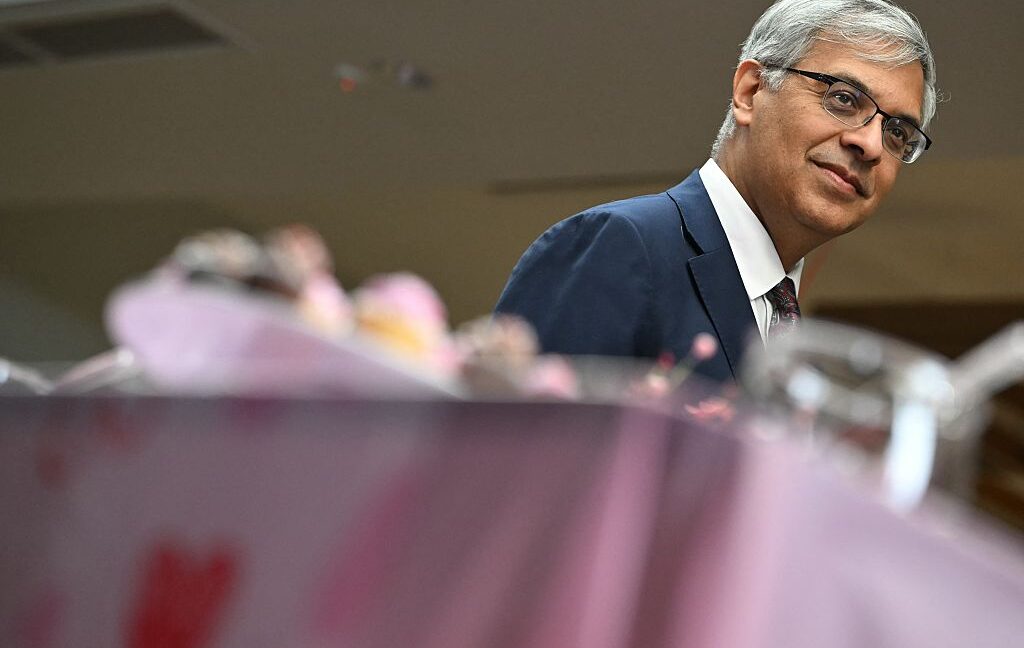
On Tuesday, word spread that the National Institutes of Health was launching a series of what it calls “scientific freedom conferences,” with the first scheduled for March 20. The theme of “freedom” echoes one of the major concerns of NIH Director Jay Bhattacharya, who believes he has suffered outrageous censorship of his ideas during the pandemic and is using his anger over it to fuel his efforts to make changes at the NIH. Given that scientific freedom is a major interest of the director, one would think that the first lecture would be delivered by a prominent scientist. Guess again.
The speaker at the first conference will be a former journalist best known for his fringe ideas on COVID and climate. At issue will be the possibility that SARS-CoV-2 was accidentally released from a laboratory, an idea for which there is no scientific evidence.
Freedom for me
Bhattacharya was a signatory to the Great Barrington Declaration, which stated that we should try to protect the elderly and vulnerable while allowing COVID to spread to the rest of the population. Overall, public health officials were dismayed by the likely consequences — overwhelmed hospital systems, a still significant death rate among healthy adults, the consequences of a surge in long COVID cases, and more. – and strongly opposed this proposal.
Bhattacharya suffered no professional consequences but felt his ideas were being suppressed. He took part in a lawsuit accusing the government of censoring him, but the Supreme Court threw it out on the grounds that he could not connect any alleged incident of censorship to the government agencies he was suing. Since then, he has been driven by the idea that the scientific community needs major reform, going so far as to call for a second scientific revolution.
“Scientific freedom” is therefore an idea that probably comes from the director himself. If one wanted the theme to resonate with the scientific community, it might be a good idea to kick off the series with a respected scientist whose work has actually been suppressed in some way. Bhattacharya did not take this path.
Instead, he chose Matthew Ridley, a British hereditary peer and science journalist. Although some of his early books on biology were highly praised, Ridley is best known for his fringe ideas on climate change. Even though Ridley admits that the greenhouse effect is real and that we are warming the planet, he seems confident that the warming will be at the extreme low end of the range expected by mainstream science (if he detailed his reasons for believing this, we couldn’t find it). Instead, he argues that increased plant growth and fewer cold-related deaths will make climate change a net gain for humanity.


