Apple agrees to $250M class-action settlement over Siri AI marketing claims


NEWYou can now listen to Fox News articles!
If you bought a newer iPhone because Apple made Siri feel like it was poised to become your personal AI companion, you might want to pay attention.
Apple has agreed to pay $250 million to settle a class-action lawsuit over allegations it misled customers about new Apple Intelligence and Siri features. The case focuses on the iPhone 16 launch and certain iPhone 15 models marketed as ready for Apple’s next wave of AI. The settlement still needs court approval, and Apple denies any wrongdoing.
The lawsuit contends that Apple promoted a smarter, more personal Siri before those features were actually available. For some buyers, this was a big deal. A new iPhone can cost hundreds of dollars, and many people only upgrade their iPhone when they think they’re getting something truly new.
Sign up for my FREE CyberGuy Report
- Get my best tech tips, urgent security alerts and exclusive offers straight to your inbox.
- To learn simple, actionable ways to quickly detect scams and stay protected, visit CyberGuy.com – trusted by the millions of people who watch CyberGuy on television every day.
- Plus, you’ll get instant, free access to my Ultimate Scam Survival Guide when you sign up.
WHY IPHONE USERS ARE THE NEW TOP TARGETS FOR SCAMS
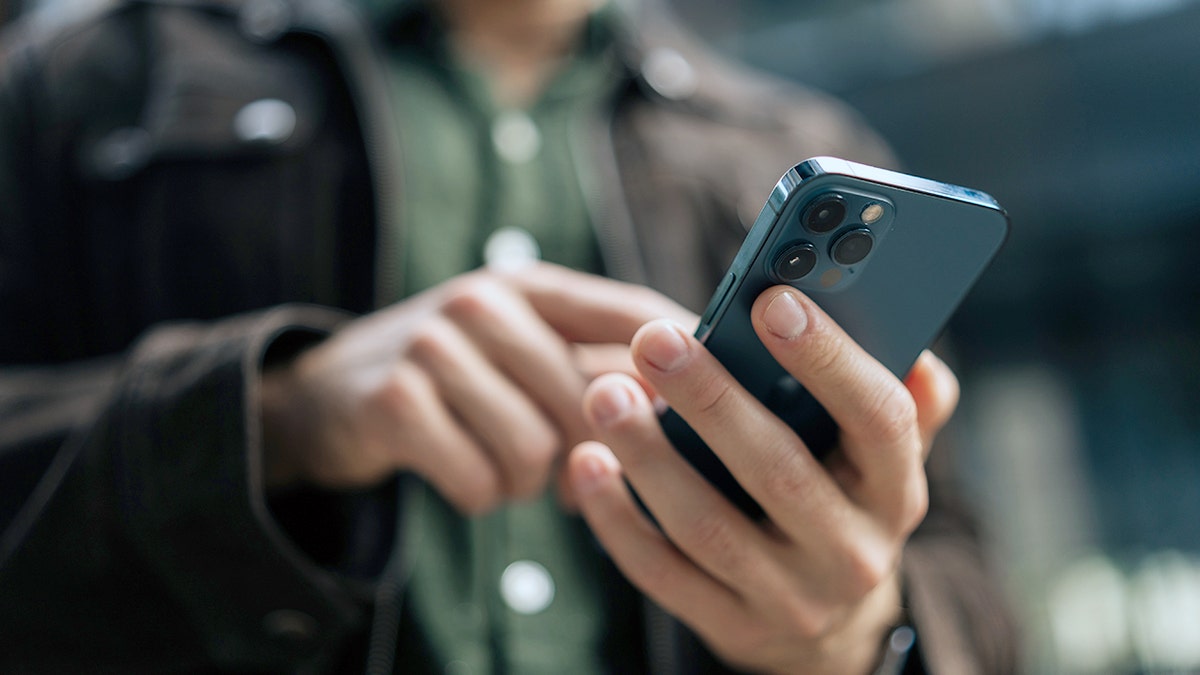
U.S. buyers of certain iPhone 16 and iPhone 15 Pro models may be eligible for payments if a judge approves Apple’s proposed settlement. (Getty Images)
What Apple is accused of promising
Apple introduced Apple Intelligence in June 2024 and presented it as a major breakthrough for iPhone, iPad and Mac. A key part of that talk was a more personalized Siri, capable of understanding context, working across apps, and making everyday tasks easier in more useful ways.
The lawsuit claims that Apple’s marketing led consumers to believe that these advanced Siri features would arrive with the iPhone 16 or shortly thereafter. Instead, buyers received phones with some Apple Intelligence tools, but not the complete Siri overhaul that many expected.
This gap is at the heart of the matter. The plaintiffs claim that customers purchased or upgraded devices based on AI features that were not ready. Apple says it rolled out many Apple Intelligence features and fixed the matter, so it can stay focused on its products.
How much money could iPhone owners get?
The proposed settlement creates a $250 million fund. Eligible customers who file approved claims should receive at least $25 per eligible device. This amount could reach up to $95 per device, depending on the number of people filing claims and other settlement factors.
That means it won’t be a huge payday for most people. Still, if you purchased one of the covered phones, it might be worth keeping an eye out for a claim notice. A few minutes of paperwork could put money back in your pocket.
Which iPhones may be eligible?
The proposed settlement covers U.S. buyers who purchased any model of iPhone 16, iPhone 15 Pro, or iPhone 15 Pro Max between June 10, 2024 and March 29, 2025.
Covered iPhone 16 models include iPhone 16, iPhone 16 Plus, iPhone 16 Pro, iPhone 16 Pro Max, and iPhone 16e. The settlement also includes the iPhone 15 Pro and iPhone 15 Pro Max, but not all iPhone 15 models.
The key details are the device model, date of purchase, and whether the phone was purchased in the United States.
HOW TO GET A SLICE OF APPLE’S $250M IPHONE SETTLEMENT
Apple has agreed to pay $250 million to settle allegations that it misled customers about the Apple Intelligence and Siri features of new iPhones. (Michael Nagle/Bloomberg)
How will you file a claim?
You don’t need to do anything immediately. The settlement still needs to be approved by a judge. Once the claims process is opened, eligible customers should receive a notice by email or postal mail with instructions on how to file through a claims website.
This review is important because scammers love moments like this. A real settlement notice should not ask for your Apple ID password, banking ID, or payment to claim your money. If you receive a message regarding this policy, do not click blindly. Go slowly, verify the sender, and look for official details from the settlement administrator as soon as they become available.
Why this case is important beyond a Siri feature
This case touches a sensitive chord. Tech companies are rushing to sell AI as the next must-have feature. This creates a problem for buyers. You’re often asked to buy now based on what a company says will happen later.
This can be frustrating when the feature is the reason you upgraded. A smarter Siri seems useful. A phone that can understand your personal context, search apps, and help you with everyday tasks could save you time. But if these tools are delayed, limited, or missing, the value of the upgrade changes.
This regulation also sends a message about AI marketing. Companies can talk about future features, but consumers need clear timing and clear explanations. “Coming soon” can mean very different things when you spend $800, $1,000 or more.
We reached out to Apple for comment, but did not receive a response before our deadline.
15 FIRST THINGS TO DO OR TRY FIRST WHEN YOU GET A NEW IPHONE
Apple denies any wrongdoing but has agreed to settle claims related to the marketing of Apple Intelligence and Siri features. (Qilai Shen/Bloomberg)
What does this mean for you
If you purchased a covered iPhone during the settlement period, keep an eye on your emails and regular mail. You may be entitled to payment if the court approves the agreement.
You should also keep your receipt or proof of purchase if you have it. Your Apple purchase history, carrier account, or retailer receipt can help if the claims process asks for details.
More broadly, it reminds us to treat AI capabilities like any other big technological promise. Before you upgrade, ask a simple question: Can the feature do what’s being advertised today, or is the company asking me to wait?
This question can save you from purchasing a device for a future feature that might arrive much later than expected.
Take my quiz: How safe is your online security?
Do you think your devices and data are truly protected? Take this quick quiz to see where your digital habits stand. From passwords to Wi-Fi settings, you’ll get personalized analysis of what you’re doing right and what needs improvement. Take my quiz here: CyberGuy.com.
Kurt’s Key Takeaways
Apple has built its brand on making technology refined, personal and easy to use. Which is why this deal with Siri strikes a chord. People were buying phones that they use every day to send texts, photos, directions, reminders and everything else. Many expected AI to make these everyday tasks easier, which is why the delay was frustrating. The proposed payment may be modest, but the bigger issue is trust. When a company sells AI as a reason to upgrade, customers deserve to know what actually works now and what’s coming later.
Would you still buy a new phone for the promised AI features, or would you wait for them to actually show up? Let us know by writing to us at CyberGuy.com.
Sign up for my FREE CyberGuy Report
CLICK HERE TO DOWNLOAD THE FOX NEWS APP
- Get my best tech tips, urgent security alerts and exclusive offers straight to your inbox.
- To learn simple, actionable ways to quickly detect scams and stay protected, visit CyberGuy.com – trusted by the millions of people who watch CyberGuy on television every day.
- Plus, you’ll get instant, free access to my Ultimate Scam Survival Guide when you sign up.
Copyright 2026 CyberGuy.com. All rights reserved.


