The surprising reasons floods and other disasters are more deadly at night


It was 4:00 am on July 4 at the Junta camp in Kerr County when Kolton Taylor woke up at the sound of the cries. The 12 -year -old boy came out of bed and is directly in flood waters to the knees of the Guadalupe river nearby. Shortly after, the water had already reached its size. In the dark, he managed to feel his floating tennis shoes nearby, to put them and to escape the safety of the hill. The 400 people from the All-Boys camp survived, even though they were looking at one of their cabins floating in the rushed river. But 5 miles downstream at the Mystic Camp, 28 campers and advisers were killed.
Sudden floods in Texas would have been catastrophic at any time of the day, but it was particularly dangerous because it happened at night. Research shows that more than half of the death deaths occur after nightfall and, in the case of sudden floods, a study has brought the number of three quarters closer. The other dangers are also more perilous in the dark: the tornadoes that strike between sunset and sunrise are twice as dead, on average, than those of the day. No one can prevent the sun from getting up and going to bed, but experts say that there are simple precautions that can save lives when extreme weather conditions hit the night. As the supervision of climate change floods, hurricanes and fires, it becomes even more important to take into account the additional risks of night disasters.

Disaster 101: Your guide for the preparation, relief and recovery of extreme weather conditions
Stephen Strader, geographer of dangers at the University of Villanova, said that at night, it is not enough to count on a telephone call from a family member or outdoor warning sirens (including Kerr county officials discussed the installation, but never did). The safest bet is a NOAA radio, a device that broadcasts official warnings from the National Office for the nearest 22/7 Memping Services. A major advantage is that it was not based on cellular service.
“This is old school technology, but it is the thing that will wake you up and give you at 3 am,” said Walker Ashley, atmospheric scientist and geographer of disasters at the Illinois University.
Even with a warning, reacting in the middle of the night is not easy. When people are awake, they are often disoriented, requiring more time to understand what is happening before they can take action. “These precious minutes and seconds are often critical in these situations to get safe,” said Strader.
The darkness itself presents another problem. People tend to look outside the proof that weather warnings correspond to their reality, but at night, they often do not find confirmation that they are looking for until it is too late. Some lead their cars to flood waters, unable to see how deep it is and to be swept away. It is also more difficult to evacuate – and try to save people – when you can barely see anything. “I invite anyone to go for a walk in the woods with a flashlight, and you find out how difficult it can be,” said Ashley. “Imagine trying to sail in flood waters or try to find a shelter while you rush into the water at night without a pocket lamp. It is a nightmare.”
The logic applies to most dangers, but the night problem appears the worst with sudden disasters such as tornadoes and earthquakes – and the sudden floods of Texas, where the Guadalupe increased by 26 feet in 45 minutes. A warmer atmosphere can contain more humidity, which means that storms can throw more water more suddenly than before.
“We have essentially, due to climate change, put the atmosphere on steroids,” said Strader. It is on his list of tasks to study if other disasters, such as hurricanes and forest fires, are more deadly at night.
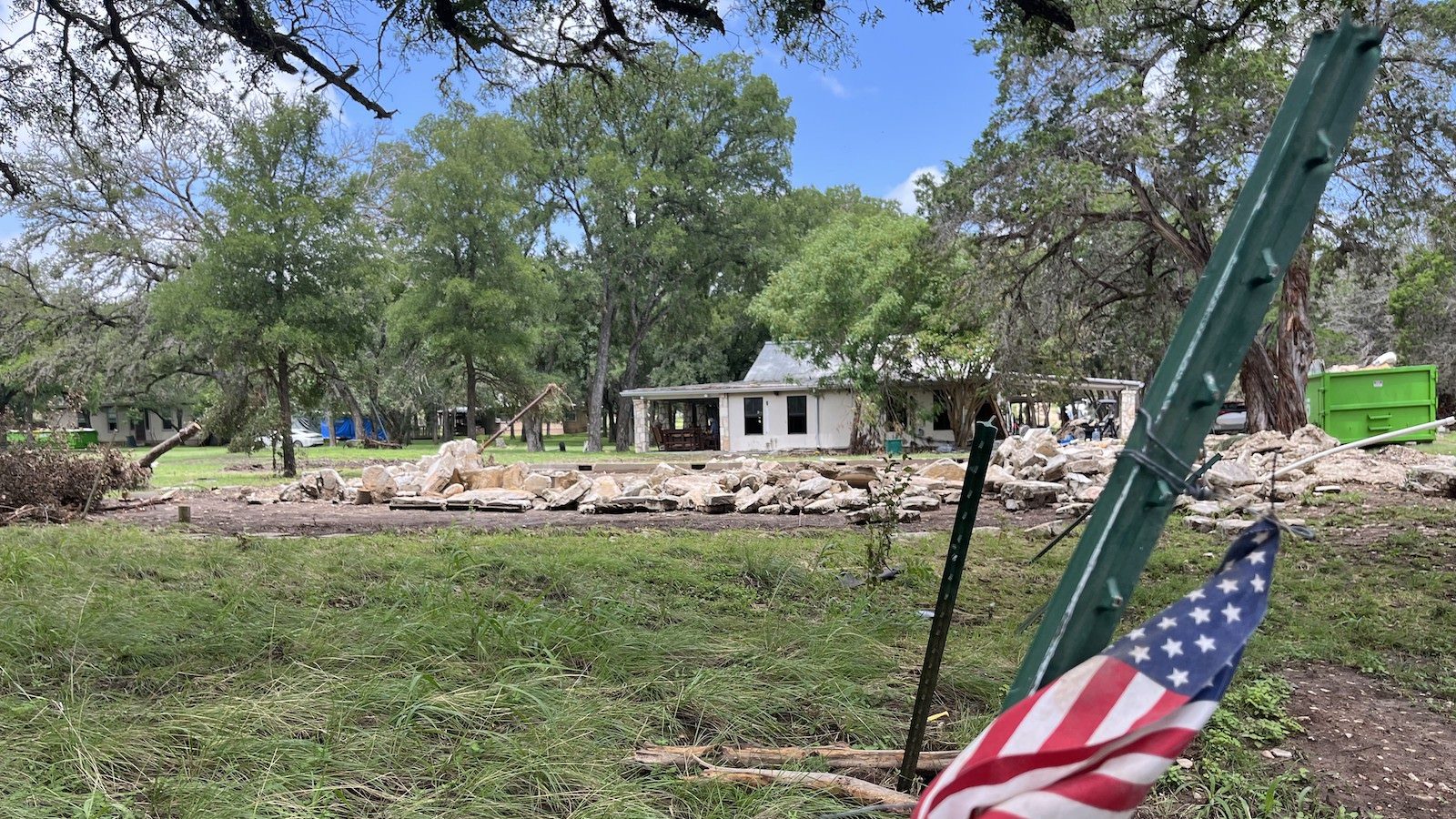
After sudden deadly floods, a city in Texas takes steps and painful in recovery
When Hurricane Harvey hit Texas with rain for days in 2017, people described wake up in the water that slips into their homes; The Texas National Guard has sailed on rescue boats in neighborhoods in darkness, looking for survivors. In recent years, hurricanes have quickly intensified before touching land, powered by warmer ocean waters. This narrows the window in which forecasters can warn people that a strong storm arrives. To worsen the problem, at the end of July, the Pentagon plans to stop sharing the microwave data from the government by satellite which help the forecasters to follow the hurricanes during the night, leaving the country vulnerable to what is called a “surprise at sunrise”.
In the past, night conditions have been useful to slow down forest fires: temperatures are cooler and air has more humidity, reducing the probability that fires will spread quickly. But climate change reduces these beneficial effects. The overall intensity of night fires increased by 7% worldwide between 2003 and 2020, according to a study by the journal Nature. This means that fires are spreading more and later in the night and early in the morning. It was an ultra-dry January night when the fire Eaton began to tear Altadena in the County of Los Angeles. Some residents were woken up at the starting hours to smoke already at home, strangers beating on their windows, or the Sheriff deputies and the rescue volunteers who pass with speakers.
While the deaths of the diurnal tornado have decreased over time, the night deaths are increasing, noted Strader and Ashley in their research. (We still do not know how climate change affects tornadoes.) They found that tornadoes that affect the night are statistically more likely to hit someone, simply because there are more potential targets dispersed in the landscape. During the day, people are often concentrated in cities and robust office buildings and houses, which can be manufactured and not also structurally resilient to floods or strong winds.
The night adds danger dimensions to many types of disasters, but darkness is not the only factor at stake – and it should not be as fatal, said Ashley, stressing the importance of obtaining a meteorological radio and making a plan in case the worst occurs. “Have several ways to get information, and your chances of survival is extremely high, even in the most horrible tornado situation.”


