Shackleton’s infamous ship ‘Endurance clearly had several structural deficiencies,’ new analysis reveals


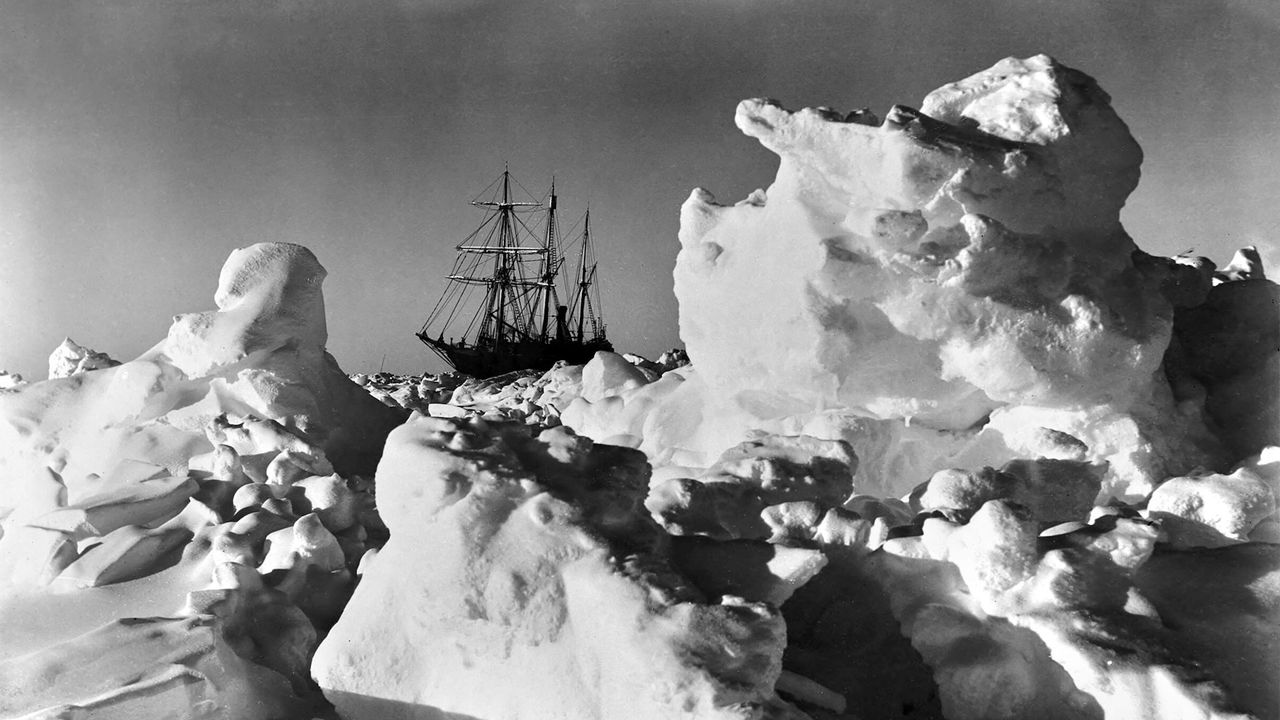
The infamous endurance of the ship, which flowed into Antarctica in 1915, was not as well built for a polar journey as previously thought – and its owner was probably aware of his shortcomings.
Explorer Ernest Shackleton Veiled endurance in Antarctica In 1914 as part of a failed British expedition to cross the continent on foot. The ship was trapped in the ice in the Weddell Sea, where it stayed for 10 months before flowing, supposedly when its rudder was torn off by ice. But there is more in history, according to a new study.
After joining Endurance22the shipment that locked the wreck Endurance in March 2022, Tuhkuri analyzed the structure of the ship and studied how he could have answered the ice in motion which would have compressed and stretched the shell of the ship. He also reviewed the newspapers of several endurance crew members, as well as some of Shackleton’s letters to his wife and other sailors.
In the new study, published Monday October 6 in the journal Polar recordingTuhkuri described certain structural problems that could have played a role in the disappearance of endurance. The ship had a relatively large machine room, which was difficult to strengthen and, therefore, weaken a large part of the hull. And unlike many other polar vessels of the time, endurance was not installed in diagonal bundles to support and strengthen its shell.
The crew newspapers also suggested that the loss of the rudder of the ship was not what caused it. He may have played a role, but the ship has also undergone serious damage to its beams of sterpost, skittle, shell and bridge while being trapped in the ice.
“Even a simple structural analysis shows that the ship was not designed for the compression package ice conditions which finally sank it,” said Tuhkuri. “The danger of moving ice and compression charges – and how to design a ship for such conditions – was well understood before the ship sails south. So we really have to ask ourselves why Shackleton chose a ship that was not reinforced for compression ice.”
Based on the files before shipping, as indicated in the study, it is probably not made in Shackleton’s decision. A letter sent by Shackleton to his wife in 1914 deplored that endurance was not as strong as the other ships he had sailed for previous expeditions. And in 1911, he recommended adding diagonal supports to a polar ship called Deutschland, which then survived the same freezing conditions as the deactivated endurance. We do not know why these same diagonal supports were not added to endurance before putting the sails.
For the moment, the reasons for Shackleton’s decision to navigate endurance in the Antarctic Ice Pack are a mystery.
“We can speculate on financial pressures or time constraints, but the truth is that we may never know why Shackleton made the choices he made,” said Tuhkuri. “At least now we have more concrete discoveries to expand stories.”


