The Wildlife Photographer of the Year 2025 awards were dominated by one pro camera – and it isn’t the one you might expect


- The 2025 Wildlife Photographer of the Year winners were announced on October 15
- The Canon EOS R5 was the most popular camera among the finalists
- Released in 2020, it has since been replaced by the EOS R5 Mark II
If you’re like me, you’ll love being curious about what other photographers shoot with, especially award winners. Drawing on my experience as a photo competition judge, I unsurprisingly found myself browsing the winning images of the Wildlife Photographer of The Year 2025 competition, announced on October 15.
It was when I took a closer look at the technical details behind the successful applications that I was quite surprised by the equipment chosen. Surely speed and precision are paramount in wildlife photography, right? So I would expect the best WPOTY photos to be taken with a flagship high-speed mirrorless camera.
The Nikon Z 9 featured, of course. The Canon EOS R3? That too. But there was a much more popular camera among the successful entrants (besides the 11-year-old Nikon D810 DSLR used for the winning photo). It wasn’t even the Canon EOS R5 Mark II, itself winner of TechRadar’s Choice Award for Camera of the Year 2024, but it was actually the original 2020 model that was the most popular among the WPOTY winners. Yes… it was the Canon EOS R5 (Mark I).
Now, I’m one of the first to preach about the disposable nature of the tech industry, but when it comes to this level of imaging, I admit that I expected newer, headline-grabbing cameras to be the weapons of choice for this group of award-winning photographers.
A sustainable balance between pixels and power
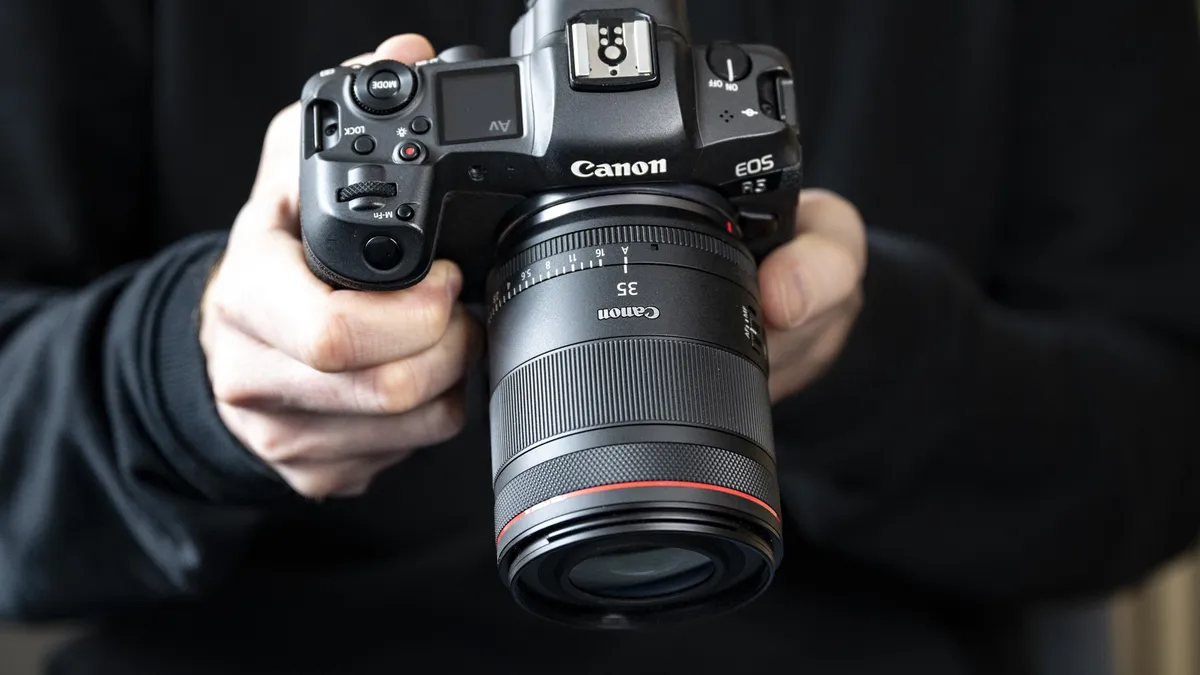
The original EOS R5 launched in 2020, alongside its slimmed-down sibling, the EOS R6. Both cameras have since been replaced by the Canon EOS R5 Mark II and Canon EOS R6 Mark II – superb successors, which left me wondering why the five-year-old R5 still ranks so high.
The EOS R5 lacks the Eye-Control autofocus of the Mark II and the more recent EOS R3, but still uses a dynamic Dual Pixel CMOS AF II system with 5,940 focus areas. Specifically, the EOS ITR AF This system was originally developed by Canon for the popular EOS-1D
The EOS R5 features a 45-megapixel full-frame CMOS sensor, 20fps burst shooting with electronic shutter, 8-stop body stabilization, and 8K video. When you compare this to another frequent competing model, the Nikon Z 8, a much newer version, the resolution and maximum RAW burst rate of the older camera are more than a match. Ditto for the aforementioned Nikon Z9, not only more recent but positioned higher in its range (it is aimed squarely at professionals, while the EOS R5 was also priced for enthusiasts). Meanwhile, 2024 Sony A1II has a comparable 50MP resolution and 8K video, and narrowly beats the EOS R5 in terms of maximum burst rate with 30fps.
When leading wildlife photographers like Andy Rouse and commercial professionals like Peter McKinnon choose the R5 for their high-end work, it’s no surprise that the camera was built to last. If anything, the success of the 2025 Wildlife Photographer of the Year proves that just because newer, shinier cameras arrive, it doesn’t immediately mean that older cameras lose their relevance.
Follow TechRadar on Google News And add us as your favorite source to get our news, reviews and expert opinions in your feeds. Make sure to click the Follow button!
And of course you can too follow TechRadar on TikTok for news, reviews, unboxings in video form and receive regular updates from us on WhatsApp Also.
You may also like


